Building Mass Timber: Workshop for Construction Management Faculty
Mass timber construction is going mainstream in the U.S., but a gap in wood-focused education and training is hindering the expansion of these materials and systems in the U.S., according to a study conducted by Farnaz Jafari and Wesley Collins of Auburn University. The SUNY ESF Building Mass Timber: Workshop for Construction Management Faculty helped address this gap by offering 25 construction management faculty members an opportunity to develop practical approaches for incorporating mass timber into their own coursework. Over two-and-a-half-days, participants engaged in a mix of traditional lectures and hands-on construction activities, building a comprehensive understanding of the mass timber construction process, from pre-construction through execution.
“The balance of theory, hands-on learning, and site visits offered a powerful way to connect classroom concepts with real-world applications, from design and fabrication to delivery and installation, as well as operation and maintenance,” said attendee Rodolfo Valdes-Vasquez, an associate professor at Colorado State University. “I especially appreciated the meaningful interactions with fellow faculty members from across the country and the various perspectives shared by the speakers.”
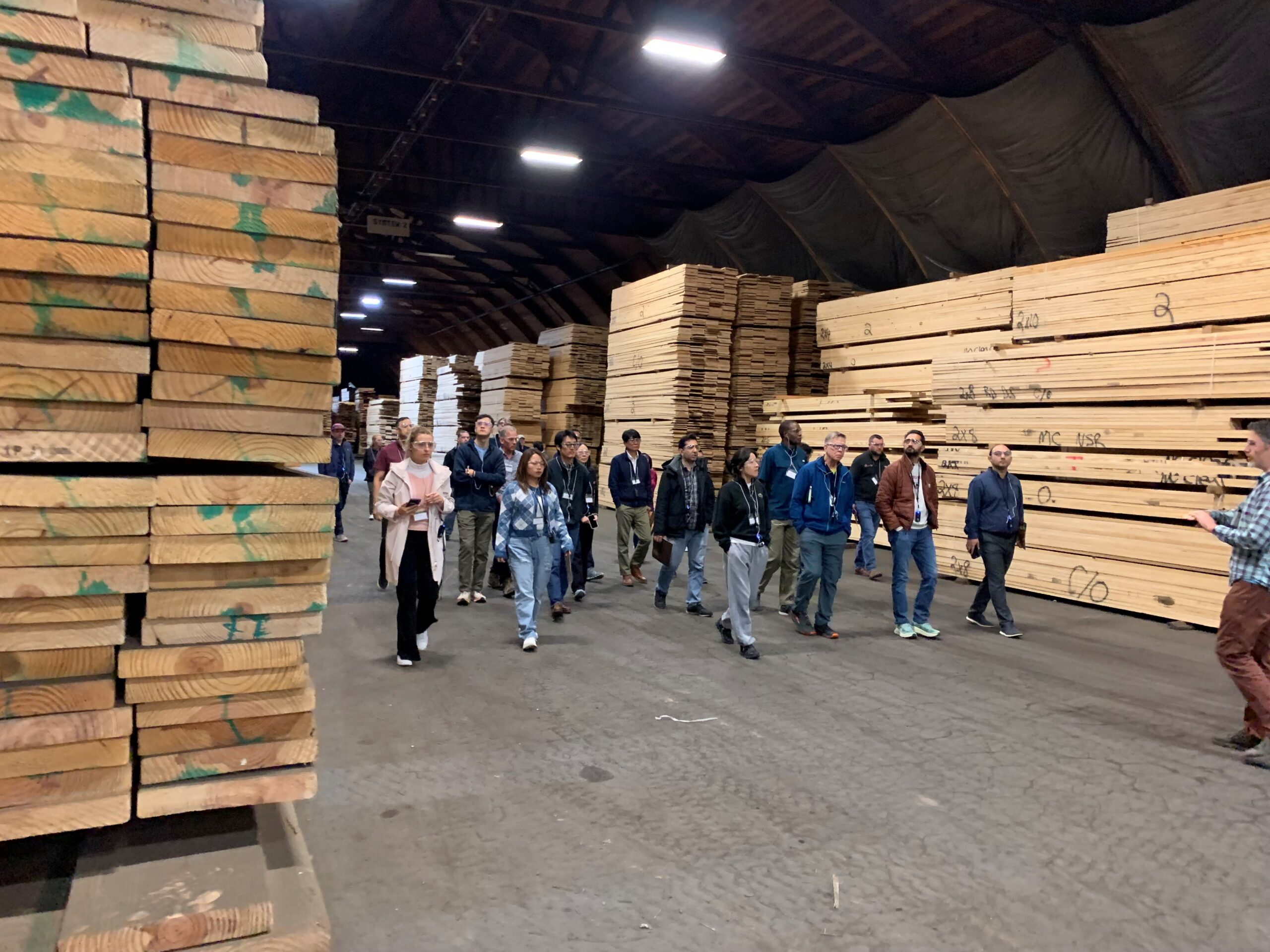
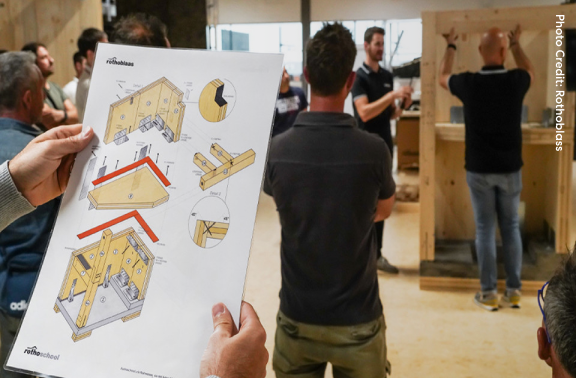
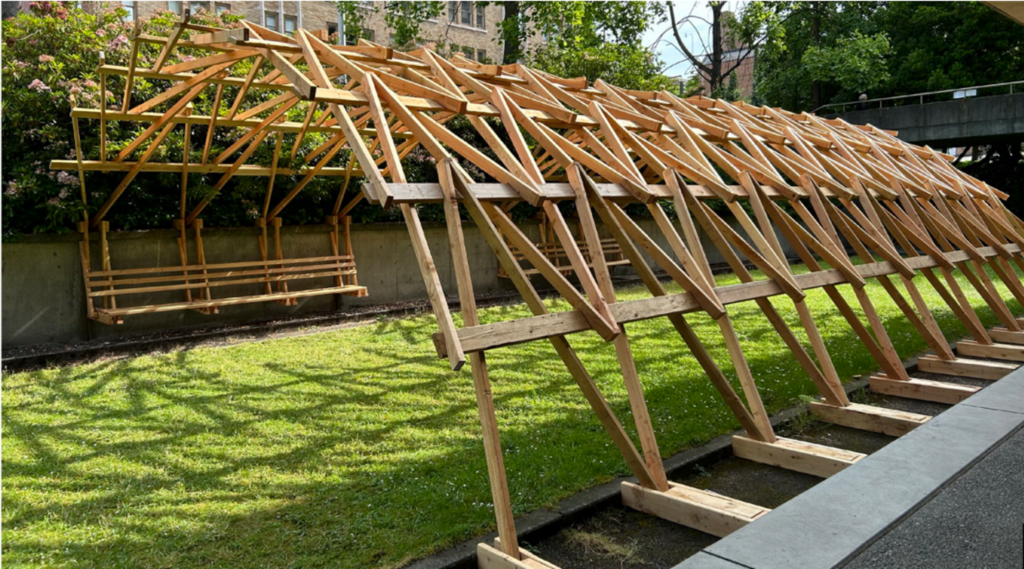
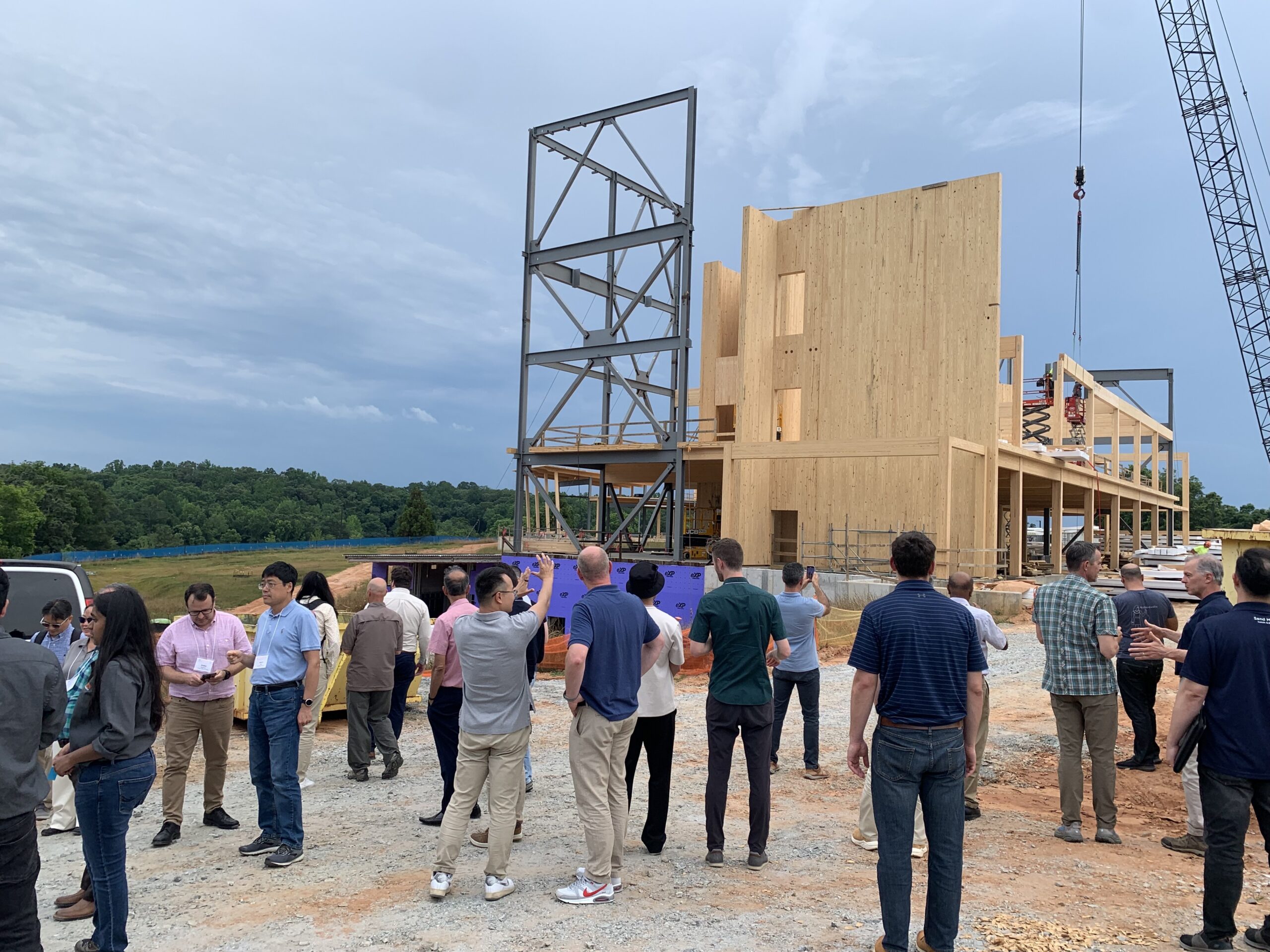
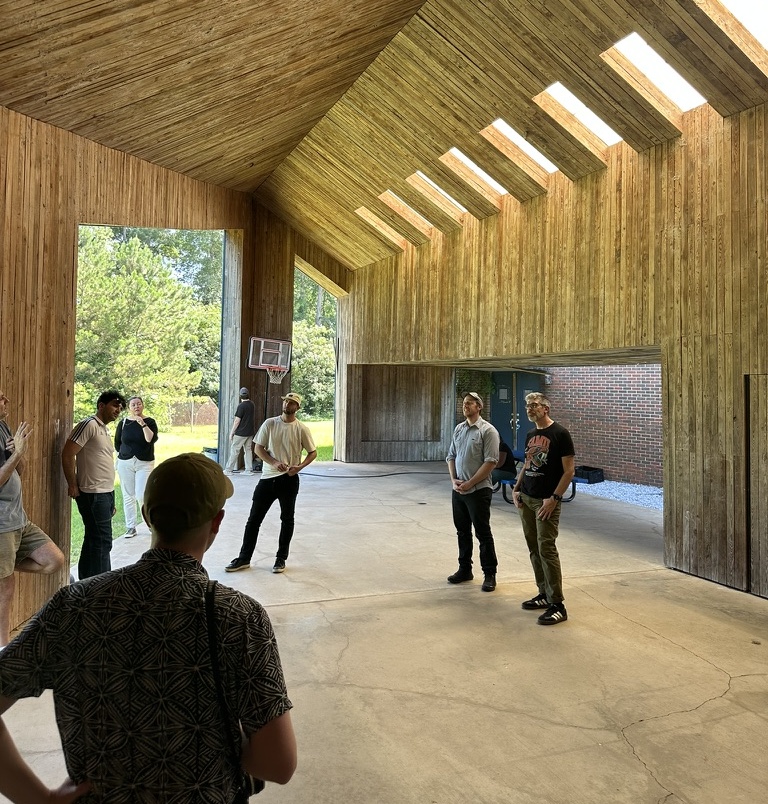
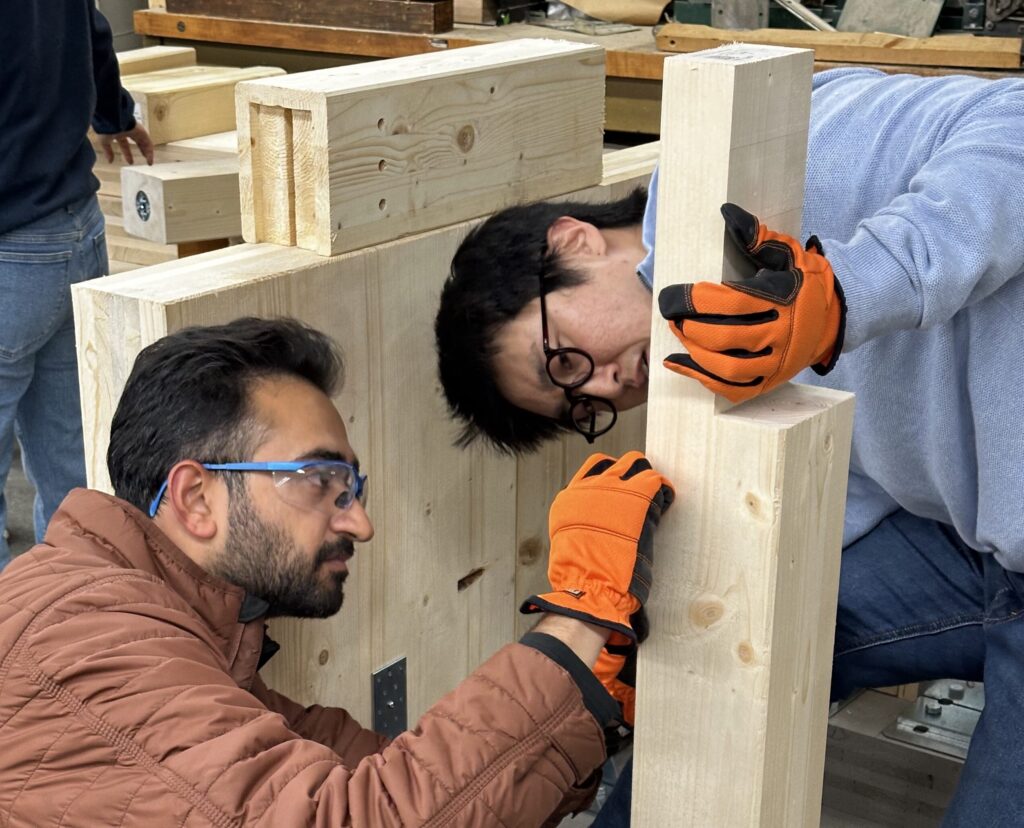
Led by faculty from SUNY ESF, as well as industry experts in mass timber design, manufacturing, and construction, informative sessions helped participating faculty better understand mass timber’s sustainability, building codes, supply chains, and unique preconstruction considerations while also offering effective tactics for incorporating this knowledge into their own teaching. Tours of mass timber fabrication facilities, construction sites, and buildings—including the Unalam fabrication site in Sidney, New York, the National Veterans Resource Center in Syracuse, New York, and the Anne S Bowers College of Computing building in Ithaca, New York—allowed participants to experience the full lifecycle of mass timber construction; explore the material’s applications in the built environment; and learn about its unique costing, integrated design, and installation considerations. In between the lectures and off-site explorations, faculty put their new knowledge into practice by constructing small mass timber mockups and developing plans to incorporate a mass timber lesson into one of their existing courses.
By empowering faculty with the resources and tools they need to introduce mass timber knowledge in the classroom, workshops like these are helping faculty prepare their students for a future using lower-carbon building materials to shape a more responsible, sustainable construction industry.