Administrators Workshop Empowers Academic Leaders to Integrate Mass Timber Education into Architectural Programs
A gap in wood-focused education is hindering the expansion of mass timber materials and systems in the U.S., according to a study conducted by Farnaz Jafari and Wesley Collins of Auburn University. Of the programs surveyed for the study, only 29% offer mass timber-related courses, leaving students unfamiliar and hesitant to specify these systems in practice. As Think Wood works to equip faculty with targeted resources and support, they’re also promoting larger engagement among the academic leaders and administrators who determine program direction, staffing, and resources to remove barriers to adoption.
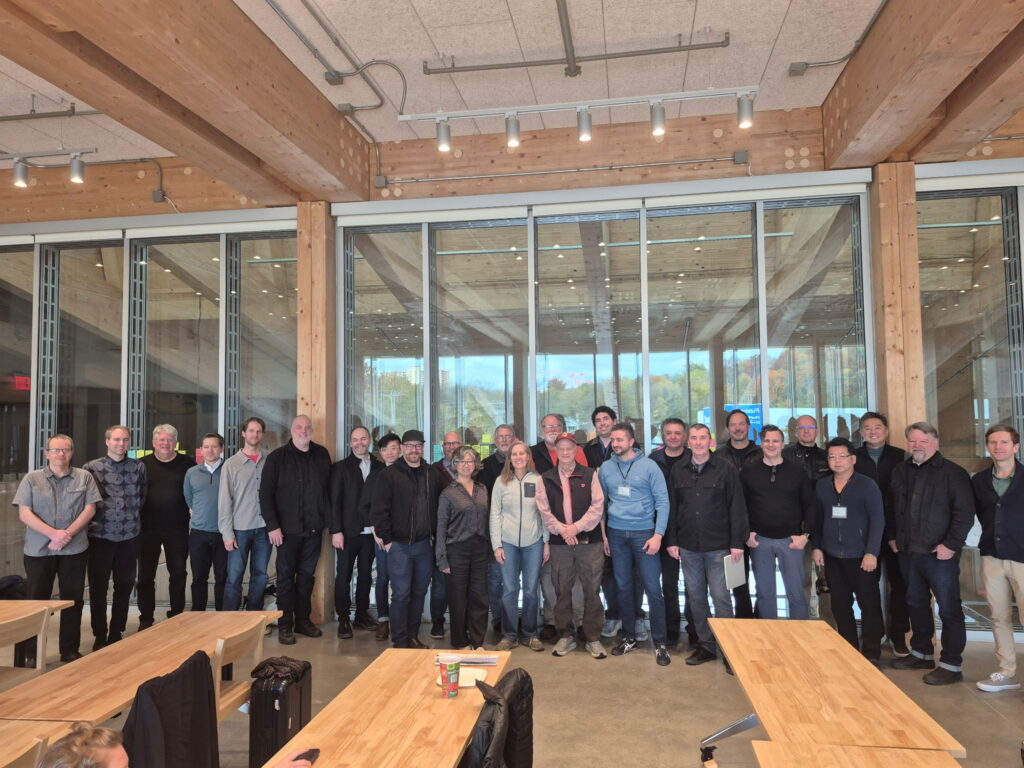
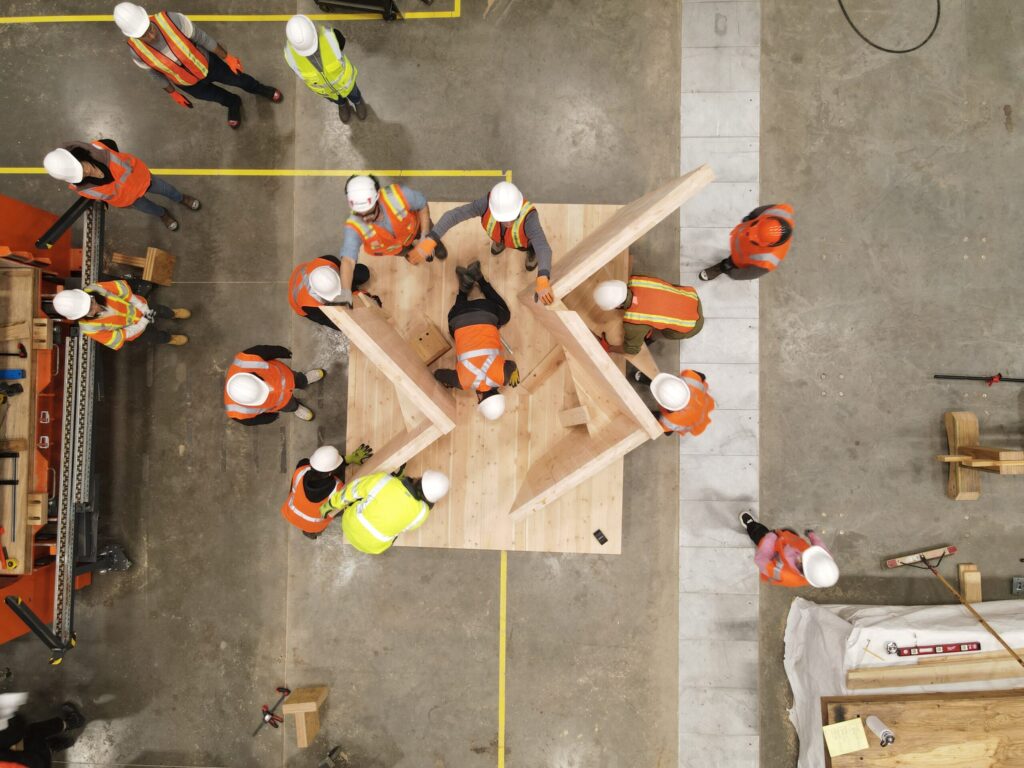
From Policy to Practice: Integrating Mass Timber Across the Architecture Curriculum sought to engage those academic leaders, inviting 25 architecture program administrators to the University of Arkansas’ Fay Jones School of Architecture and Design for a two-day, Think Wood-sponsored workshop.
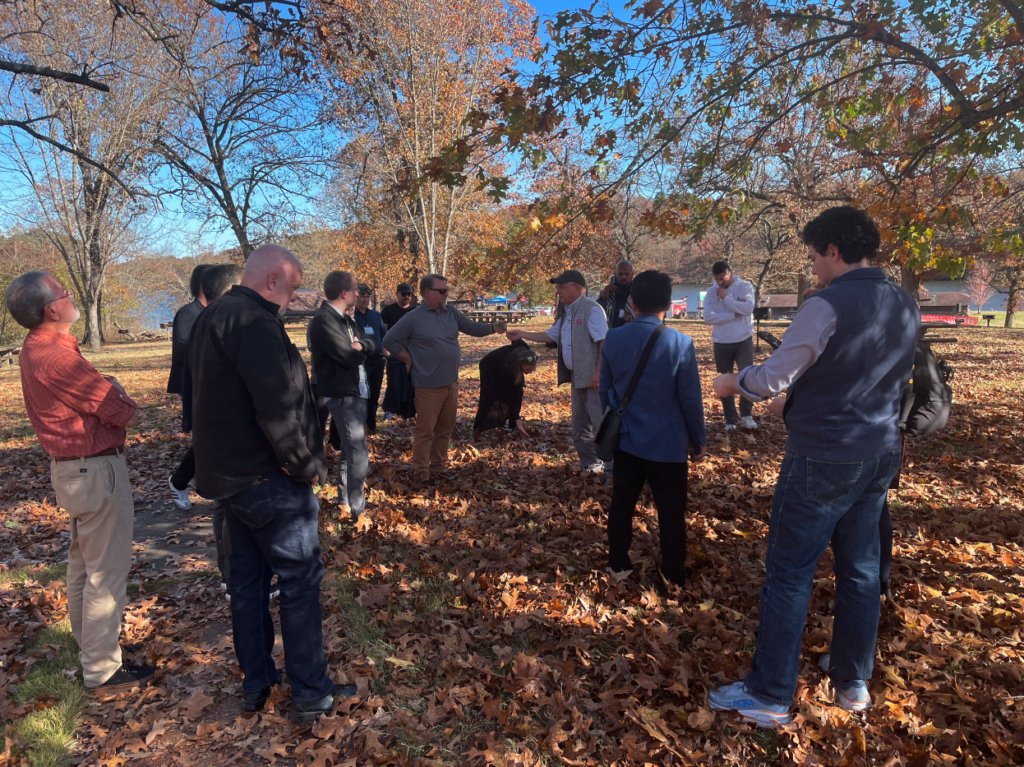
Administrators began their workshop with a research session hosted by the Association of Collegiate Schools of Architecture (ACSA), as part of a larger conference. Exploring successful strategies for integrating wood education, administrators learned how they can leverage internal funding, encourage cross-disciplinary collaboration, and develop external partnerships to help faculty overcome barriers to adoption and bring wood topics to all levels of design education—from building technology courses to advanced integrated studios. From there, participants embarked on immersive tours of Lake Weddington Forest and Walmart’s new state-of-the-art mass timber home office, gaining a more holistic understanding of wood, its properties, life cycle, sustainability benefits, structural systems, and applications in architectural practice.
With insights from the ACSA session and site tours top of mind, participants collaborated to create a model curriculum, aligning mass timber content with National Architectural Accrediting Board (NAAB) 2020 criteria and learning outcomes, identifying entry points for wood-focused topics, and learning how funded research agendas can support the integration of these topics. Administrators walked away with a one-year implementation plan, complete with milestones, stakeholder buy-in points, and metrics for evaluating impact on student learning and program goals, ready to bring well-rounded wood education back to their programs.
“The Policy to Practice workshop brought together, for the first time, 25 academic program administrators in architecture from across the country, along with leading practitioners in mass timber architecture, to conceptualize a low-carbon, mass timber-centered architecture education curriculum of applicable value to all programs,” says Peter MacKeith, Dean of Architecture at the University of Arkansas, in a statement to Think Wood. “The workshop was stimulating, engaging, and ultimately rewarding in the issues identified, options considered, and frameworks brought forward.”
By engaging academic leadership, the workshop helps create the conditions for wood education to take hold across architecture programs. Administrators leave with clearer pathways to support curriculum changes, funding opportunities, and cross-disciplinary collaboration—making it easier for front-line educators to introduce mass timber topics into existing courses and studios. For students, this ensures greater exposure to the skills, systems, and professional expertise that are increasingly in demand across contemporary architectural practice.