Light-Frame Construction, Single-Family Home
Wood Finishes Bring Charm to Two Cozy Cabins
Parcel Friends
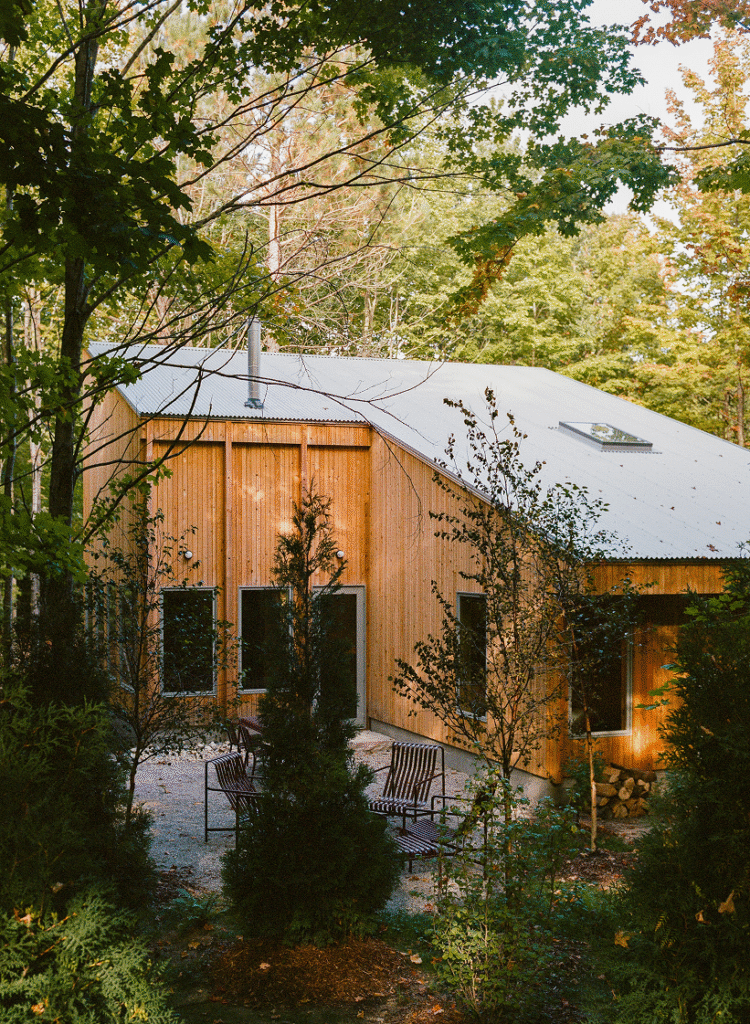
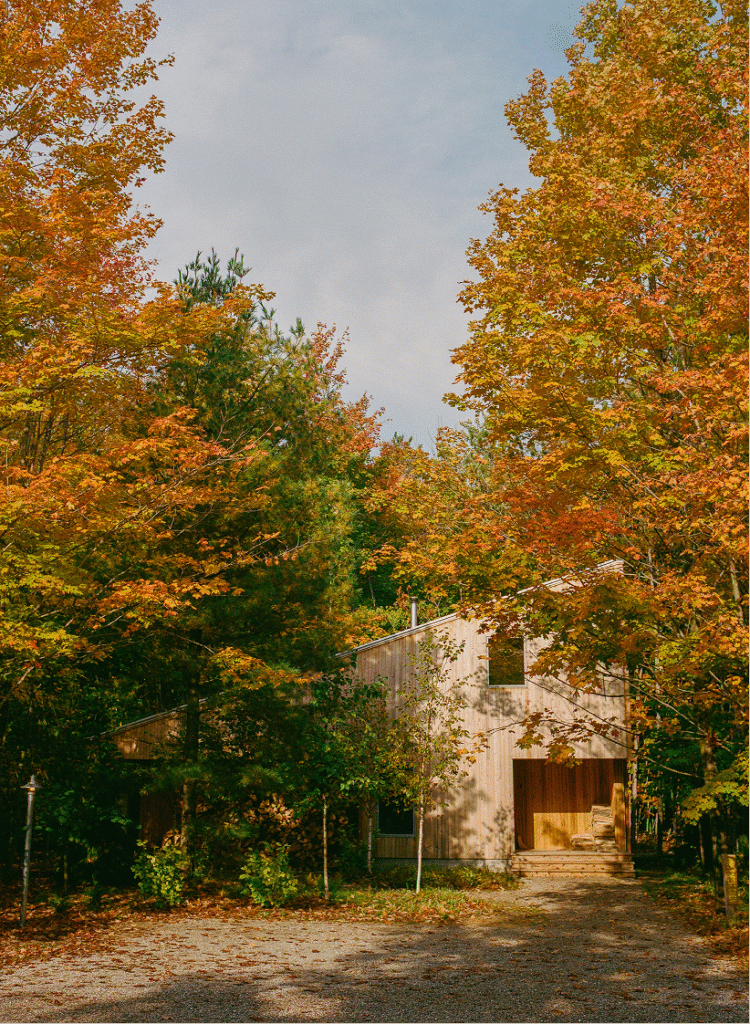
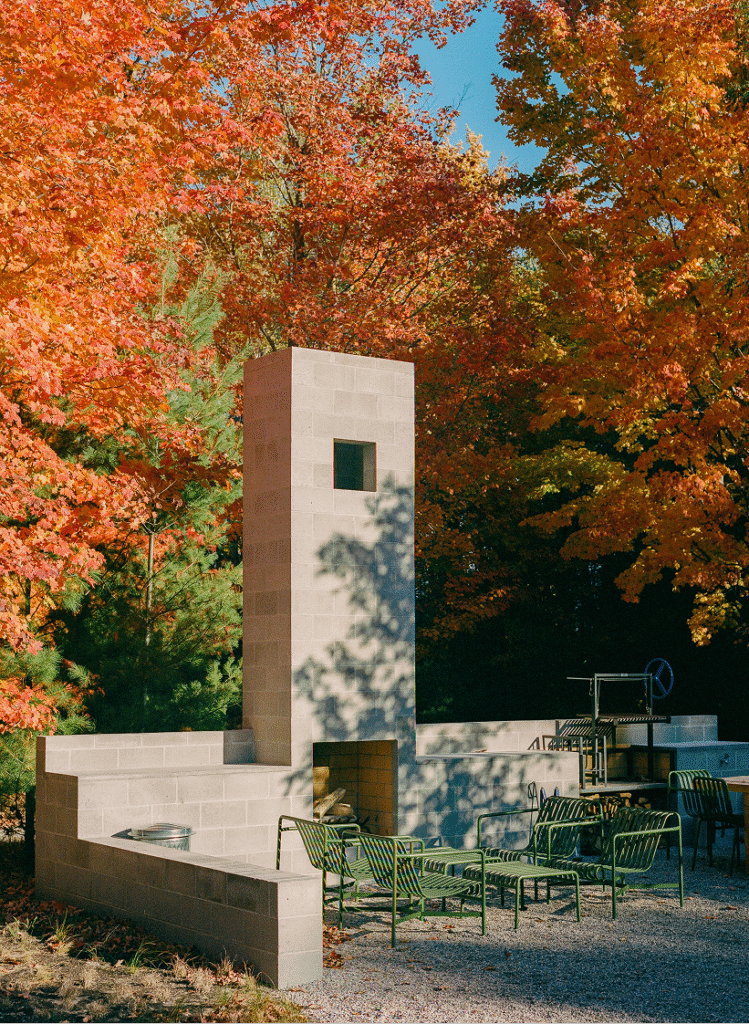
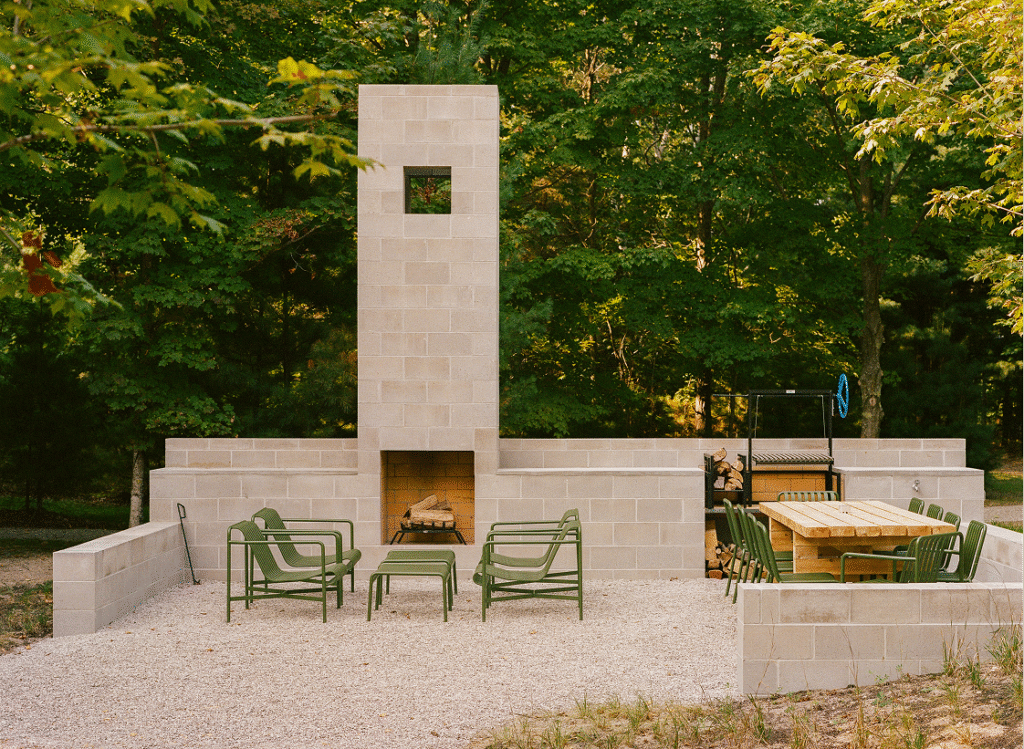
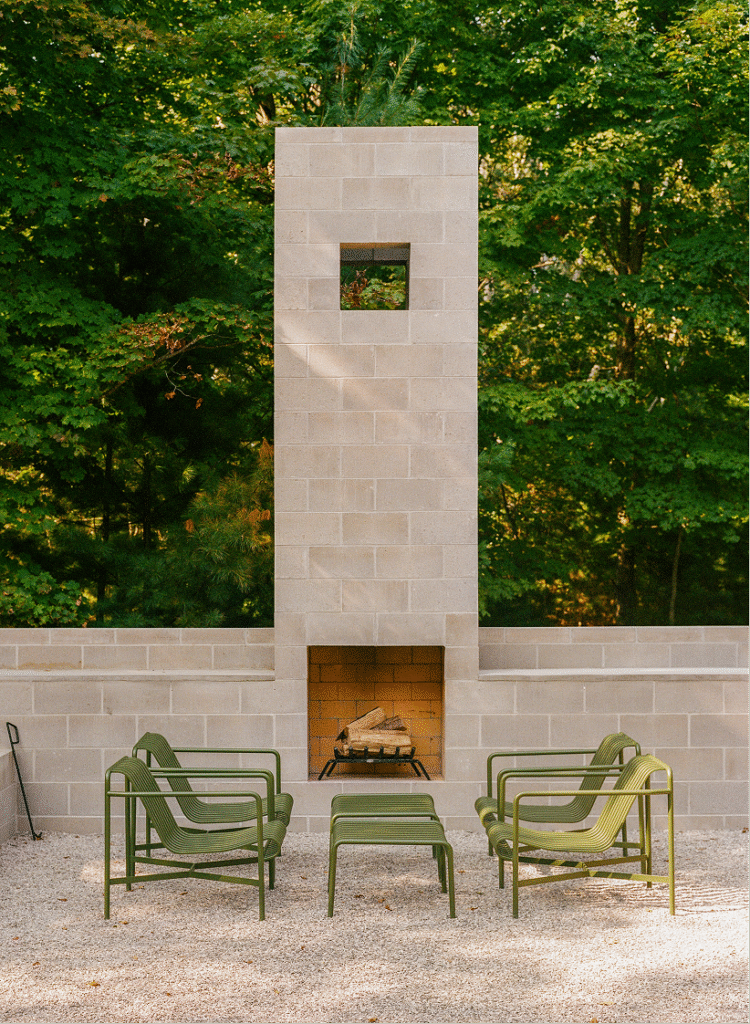
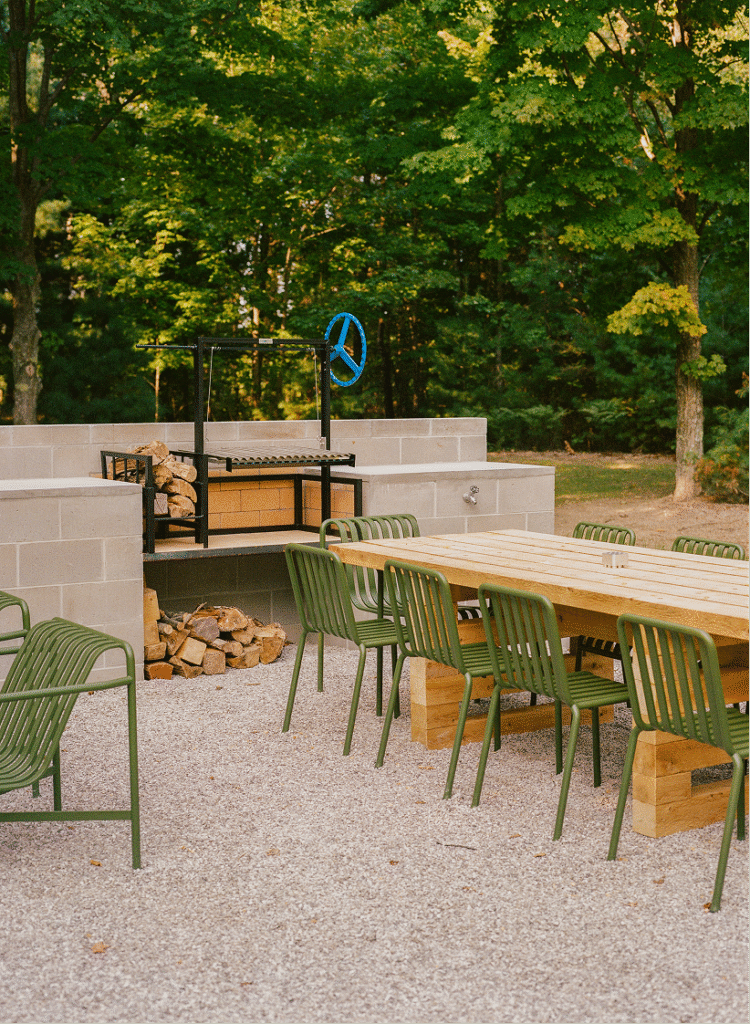
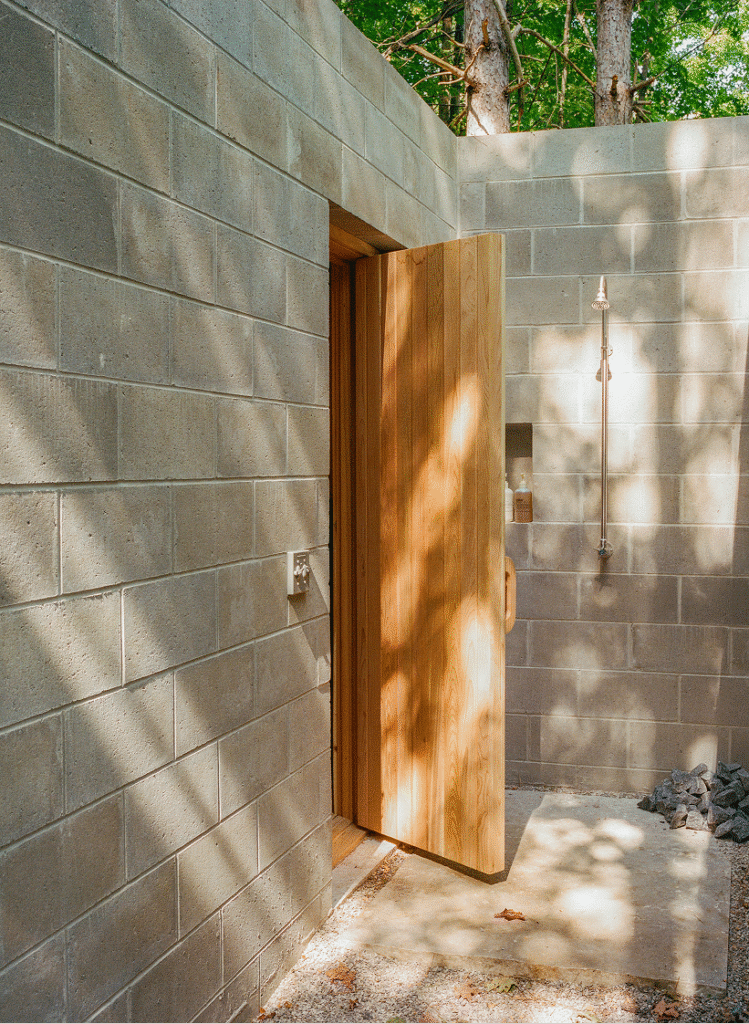
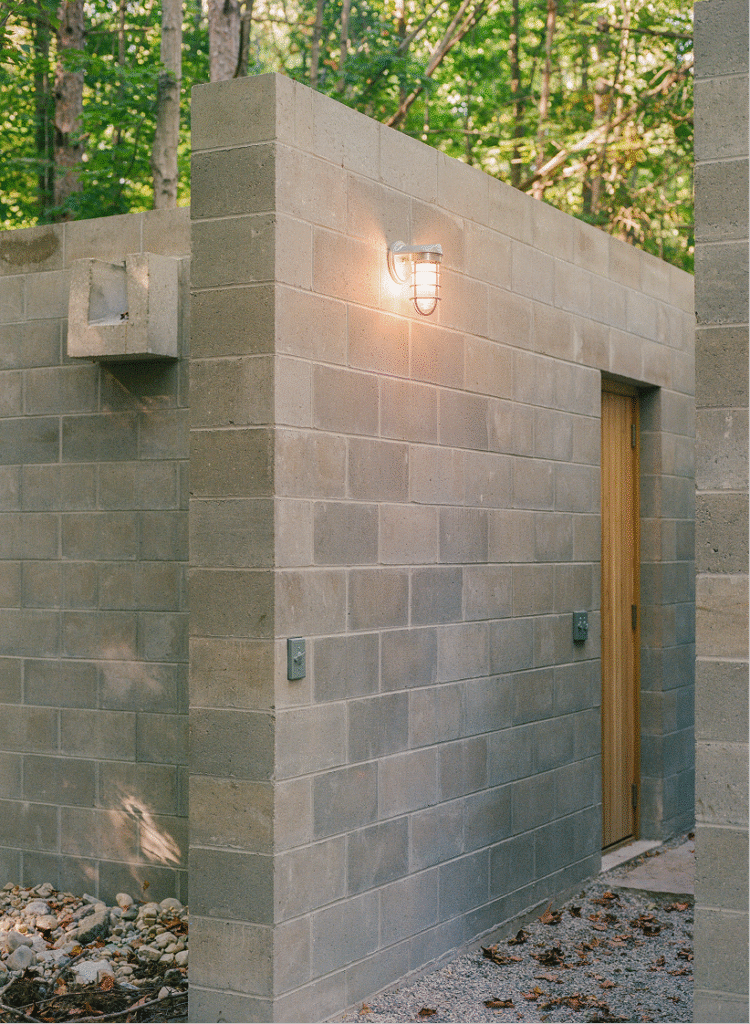
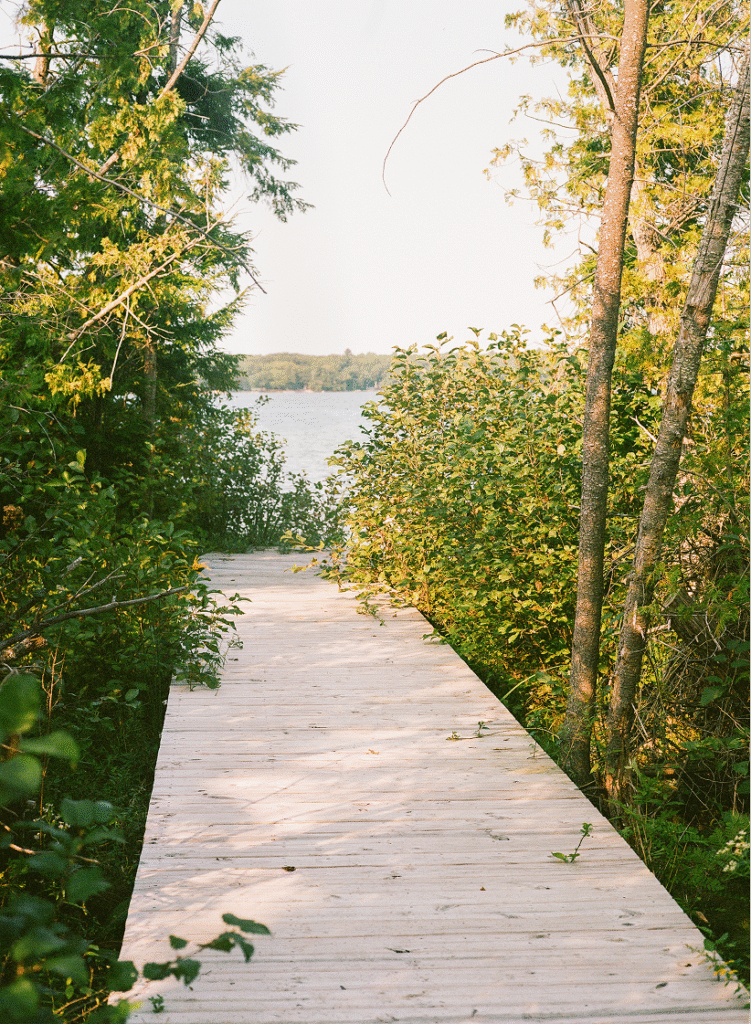
In an affluent Michigan county where most new single-family construction spreads to an expansive 5,000 to 10,000 square feet, the new Parcel Friends complex plays against type. Designed by Matt Moffitt’s Massachusetts-based Studio Bardo, the complex was created by a group of friends, designers, artists, and entrepreneurs and designed as a short-term rental. The seven-acre site located about 15 miles northwest of Traverse City has two cabins; an outdoor sauna, shower, and kitchen; and a boardwalk and private waterfront dock on Little Traverse Lake.
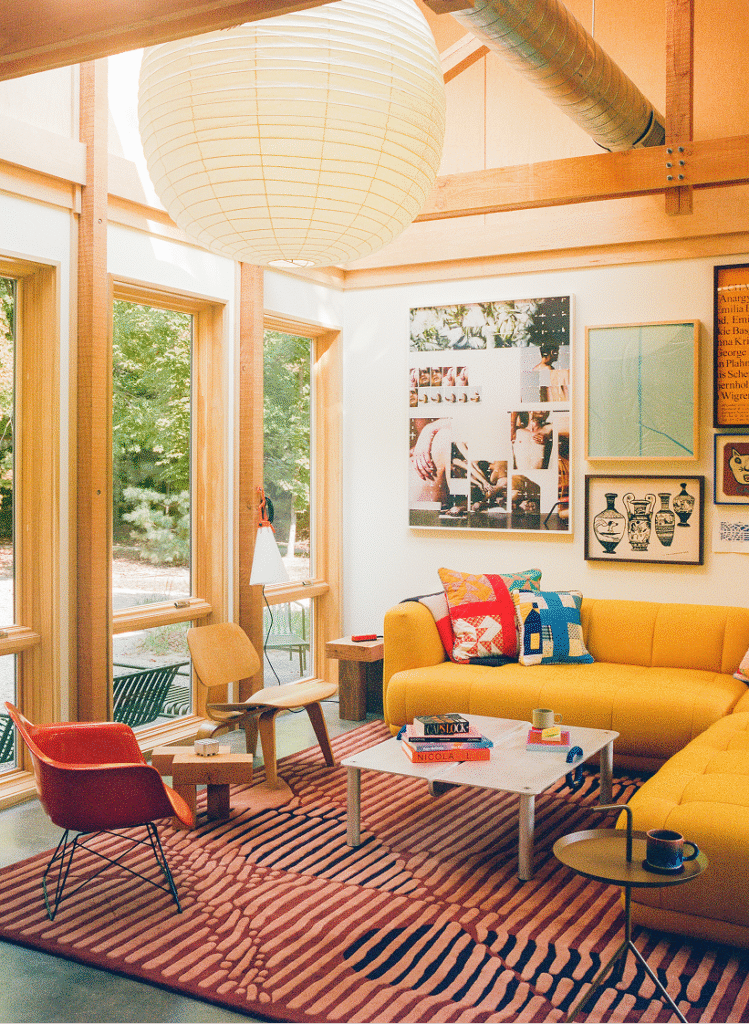
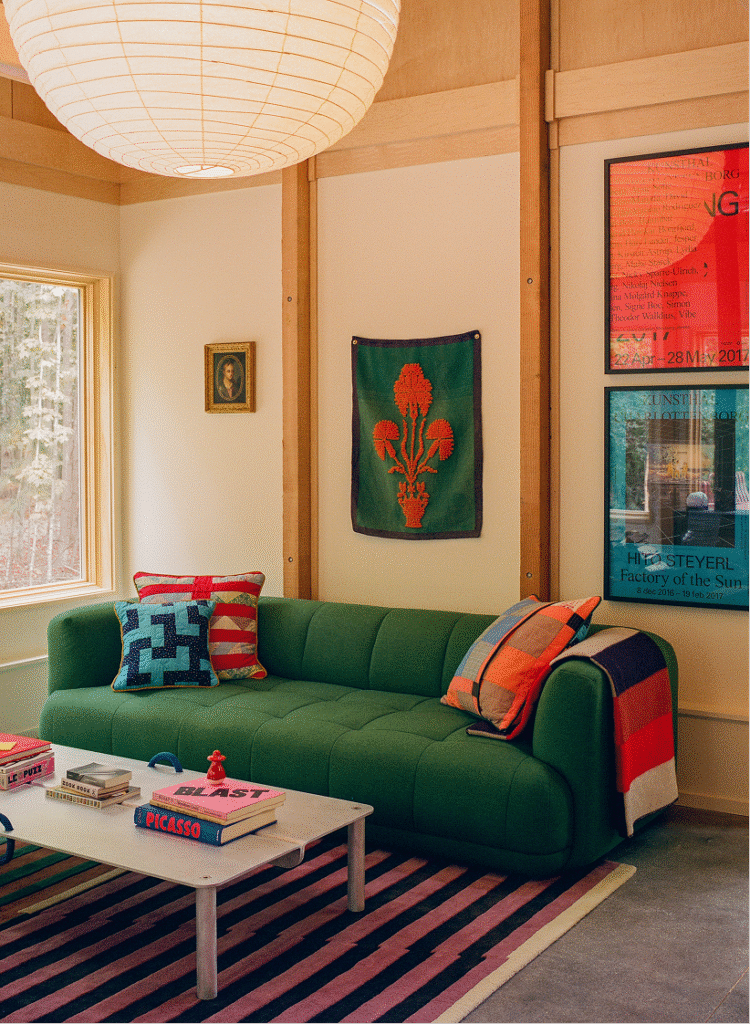
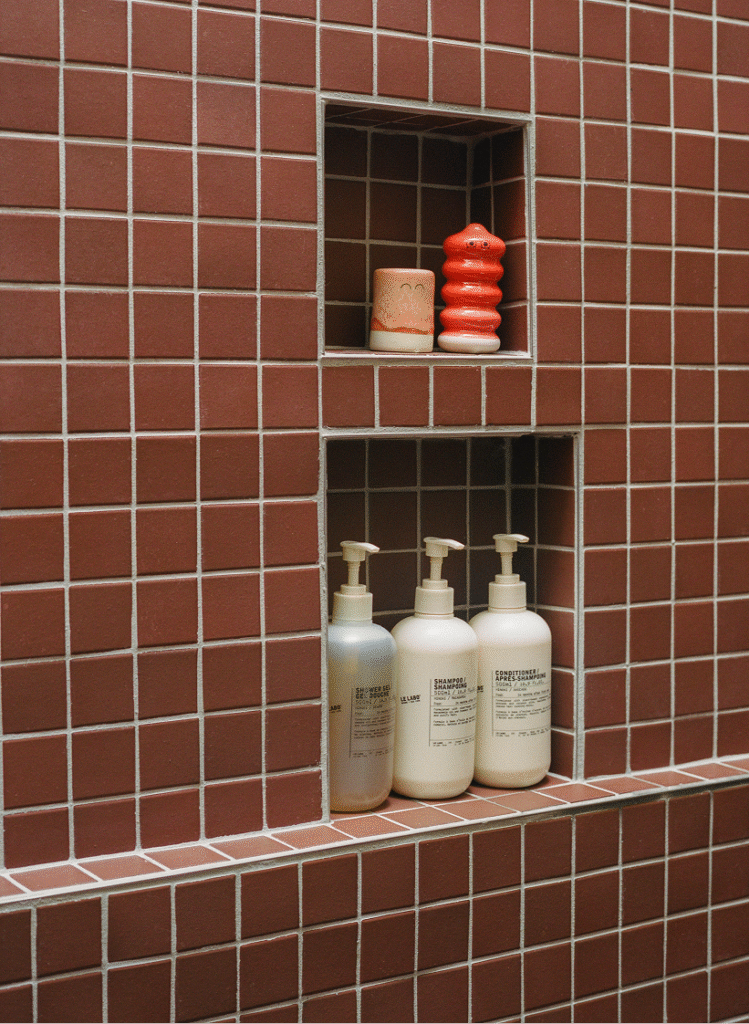
Owners Chris and Lindsay Giambattista Cox acted as interior designers on the project—creating a cozy retreat with colorful accents—and function as property managers now. “It’s an experiment in collaboration and seeing what happens when you get a bunch of people [with] interesting ideas surrounding design, architecture, and hospitality,” Chris Cox says.
Parcel Friends | Meadow + Forest Cabins
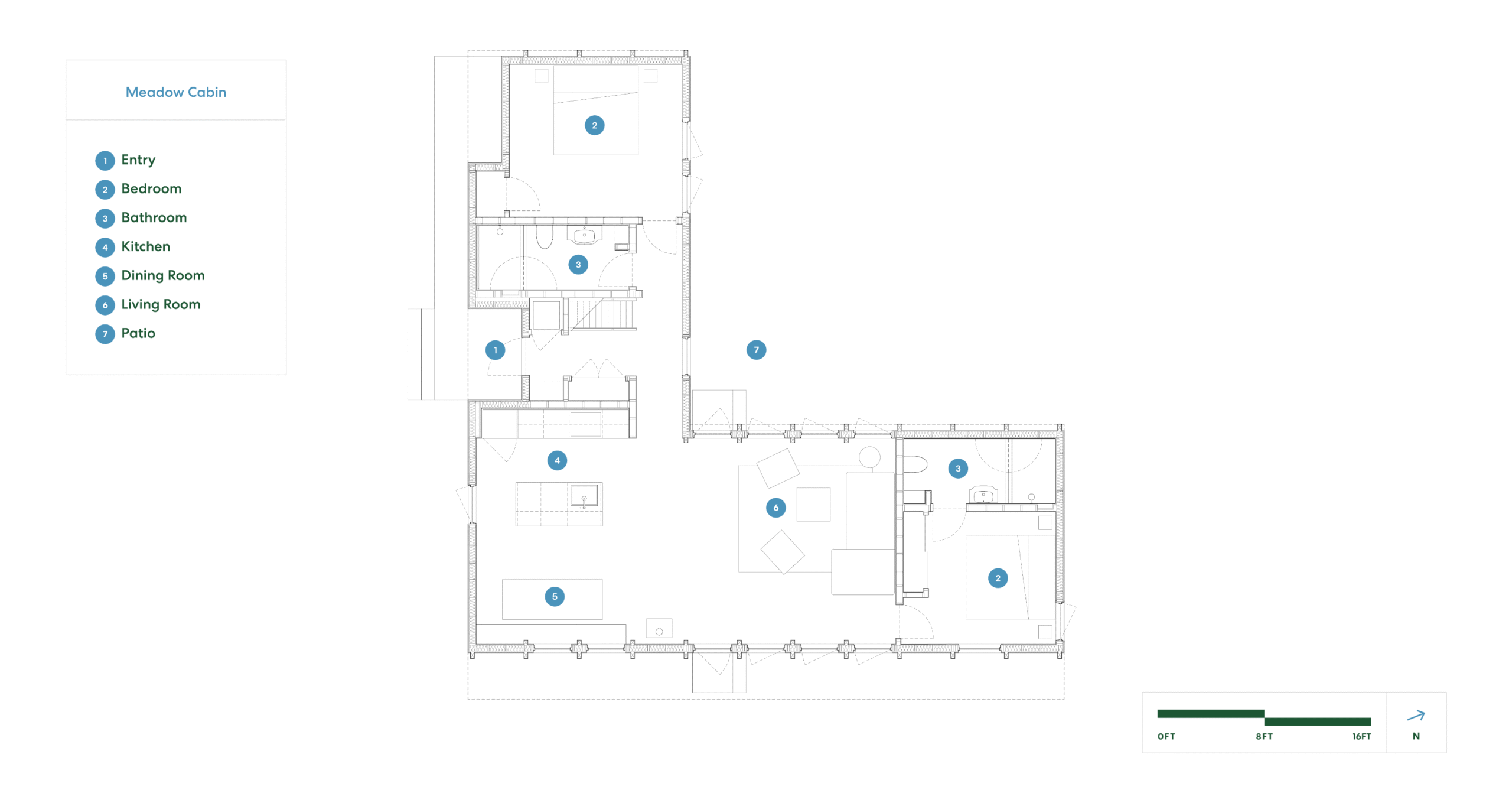
Parcel Friends | Meadow Cabin
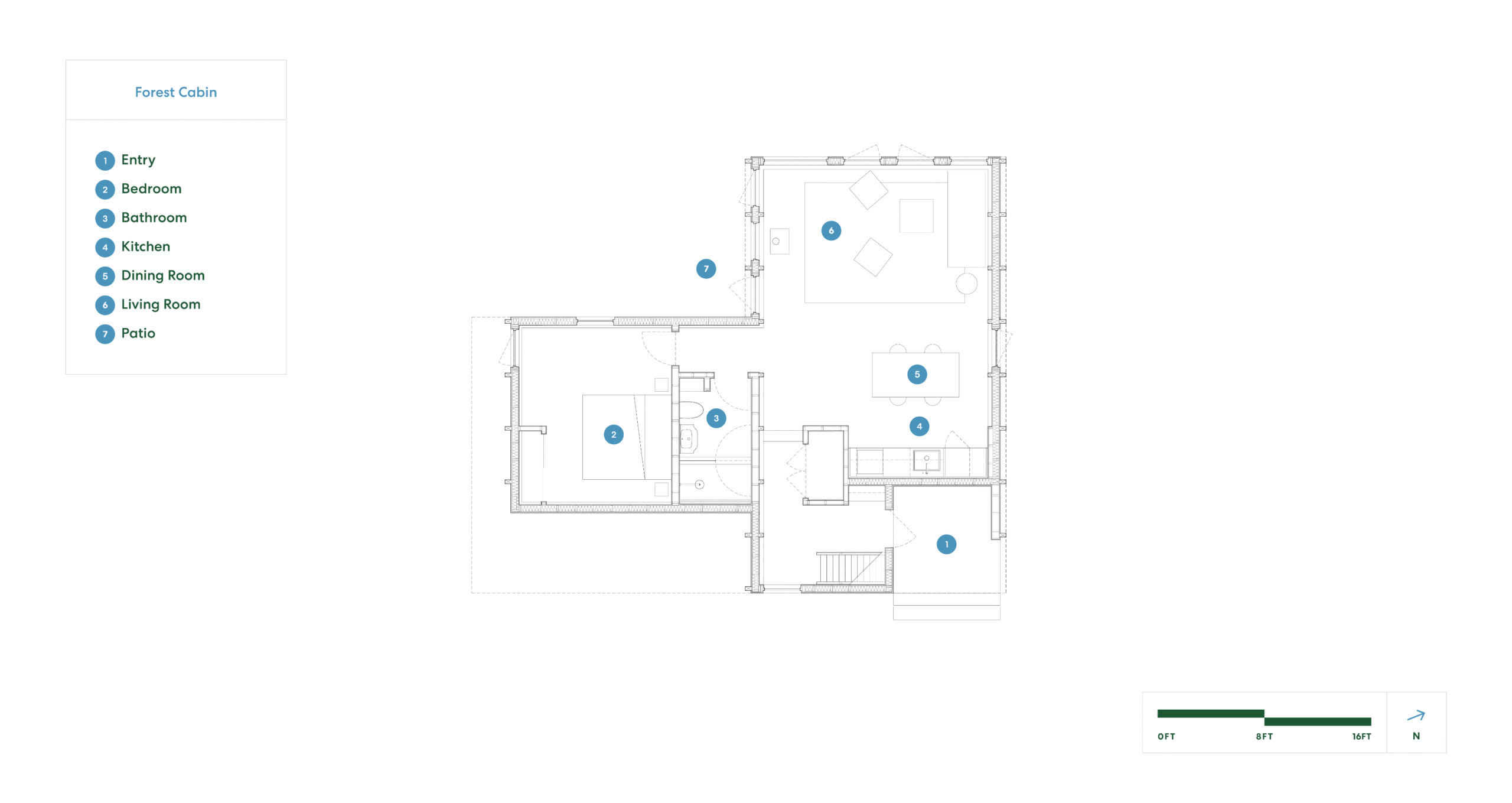
Parcel Friends | Forest Cabin
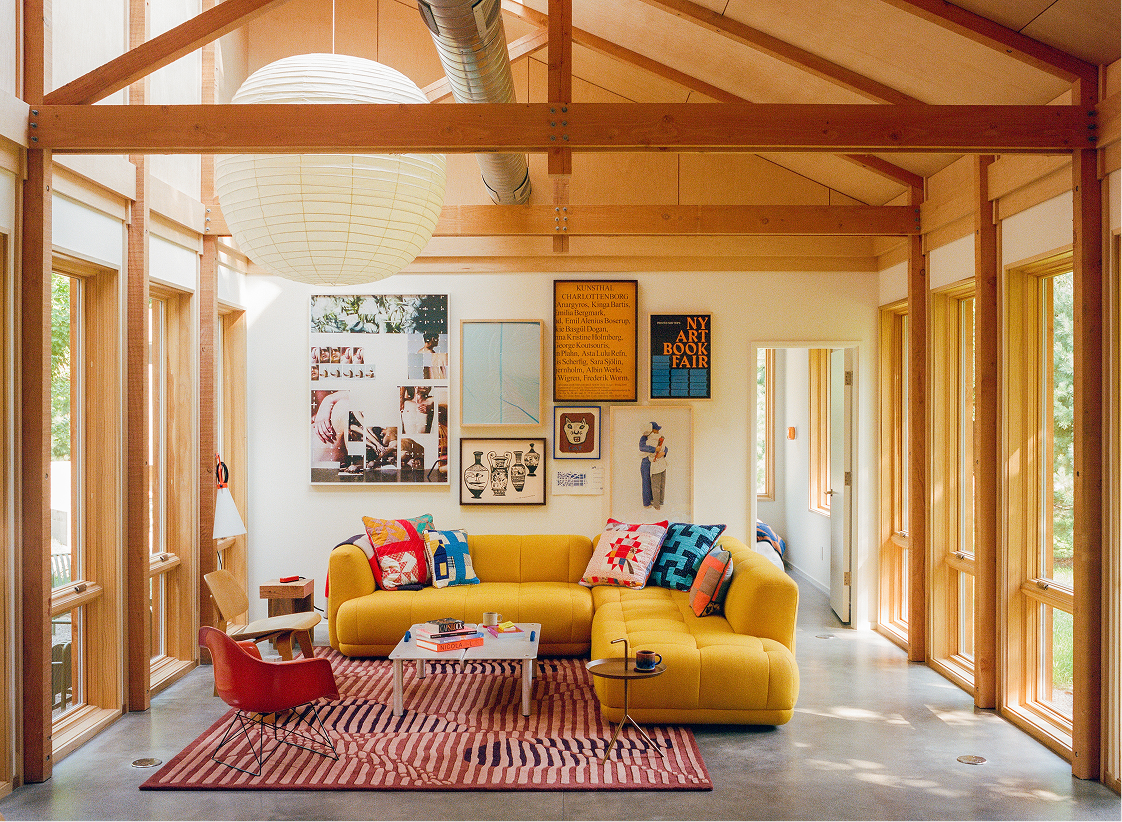
Parcel Friends | Meadow Cabin
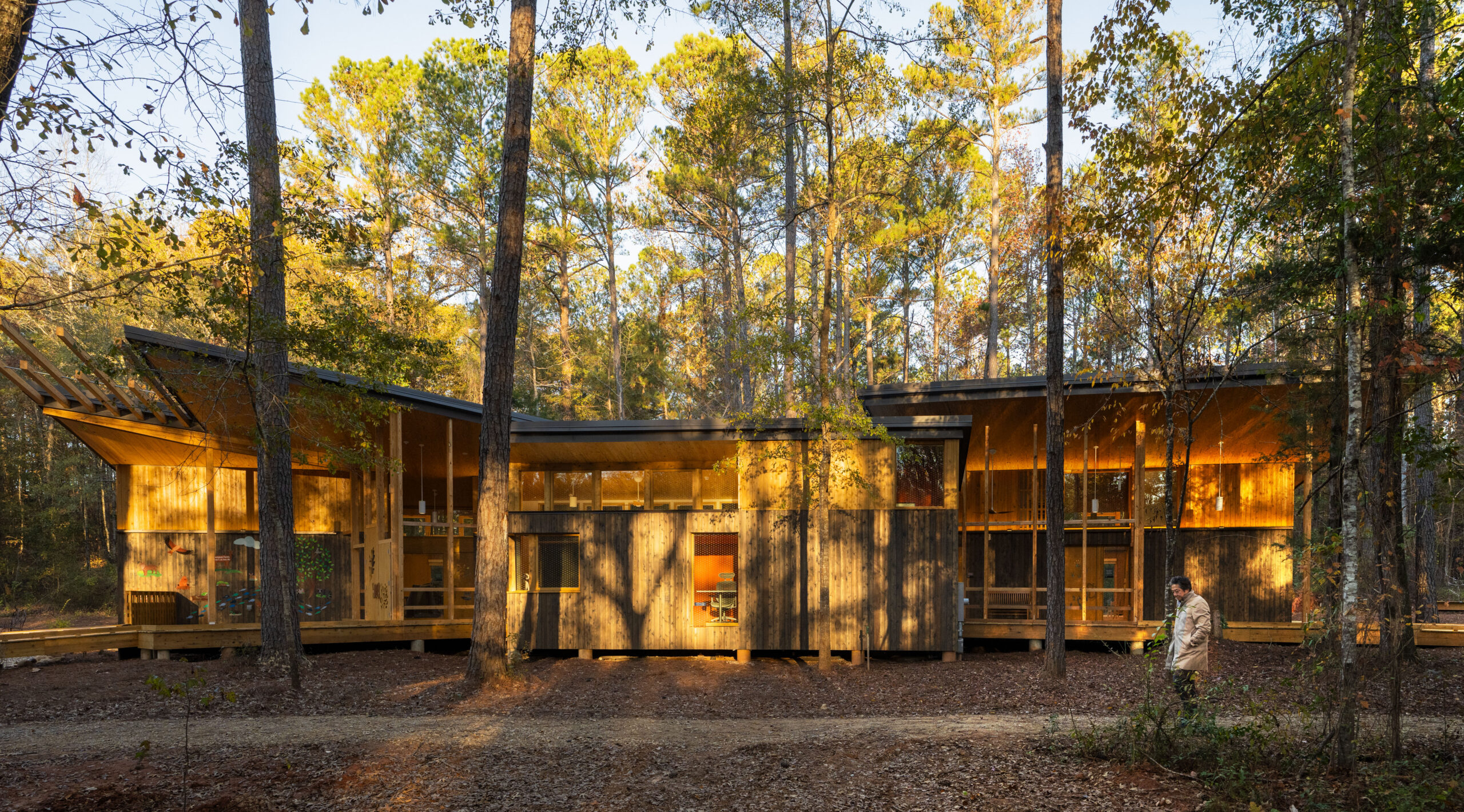
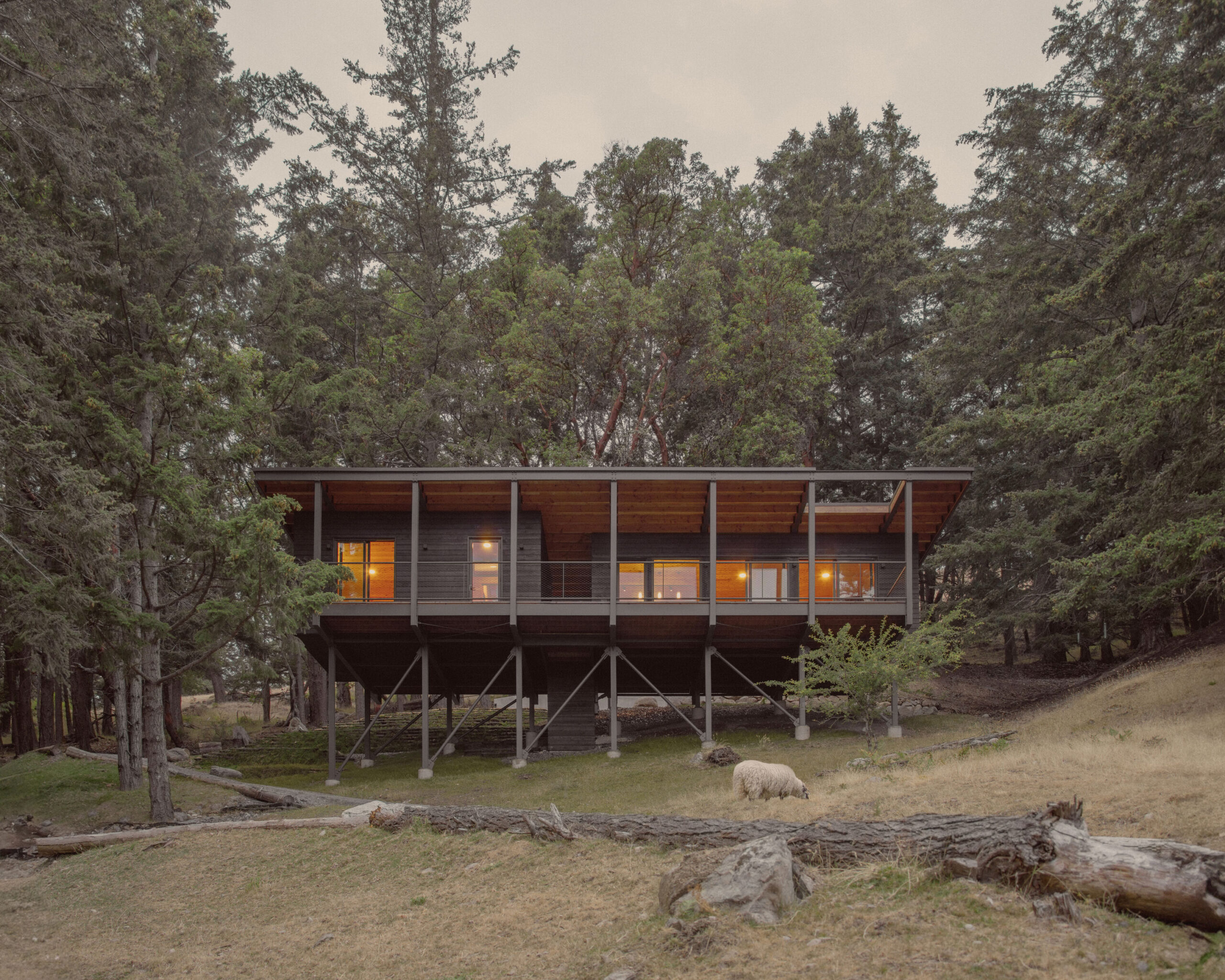
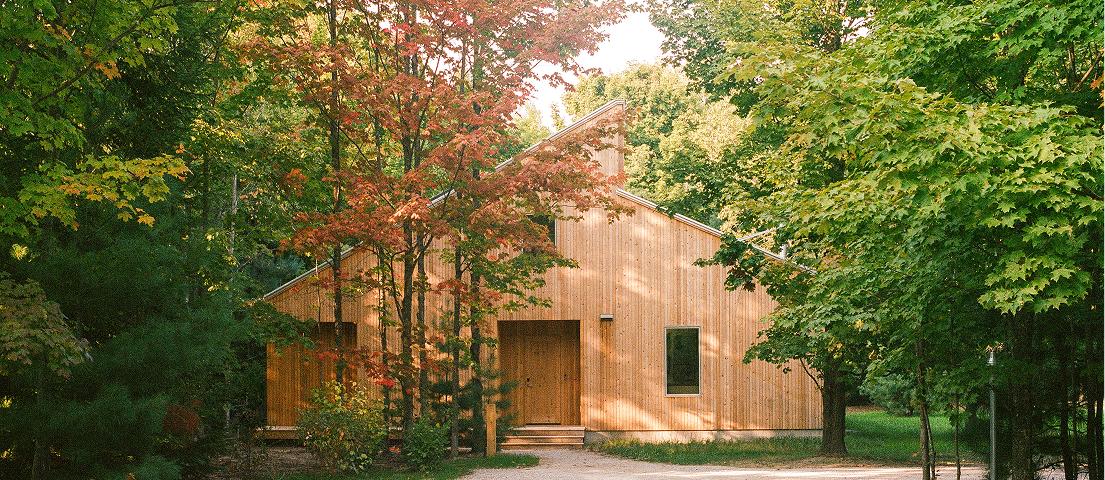
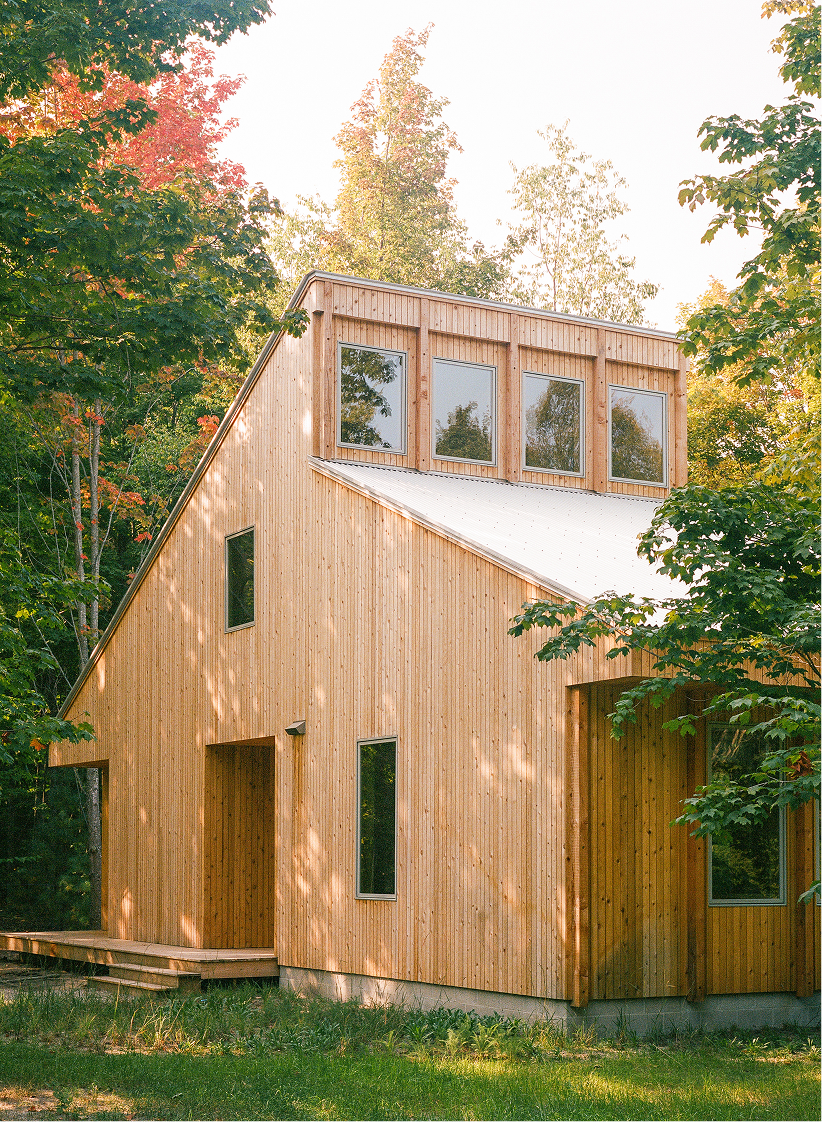
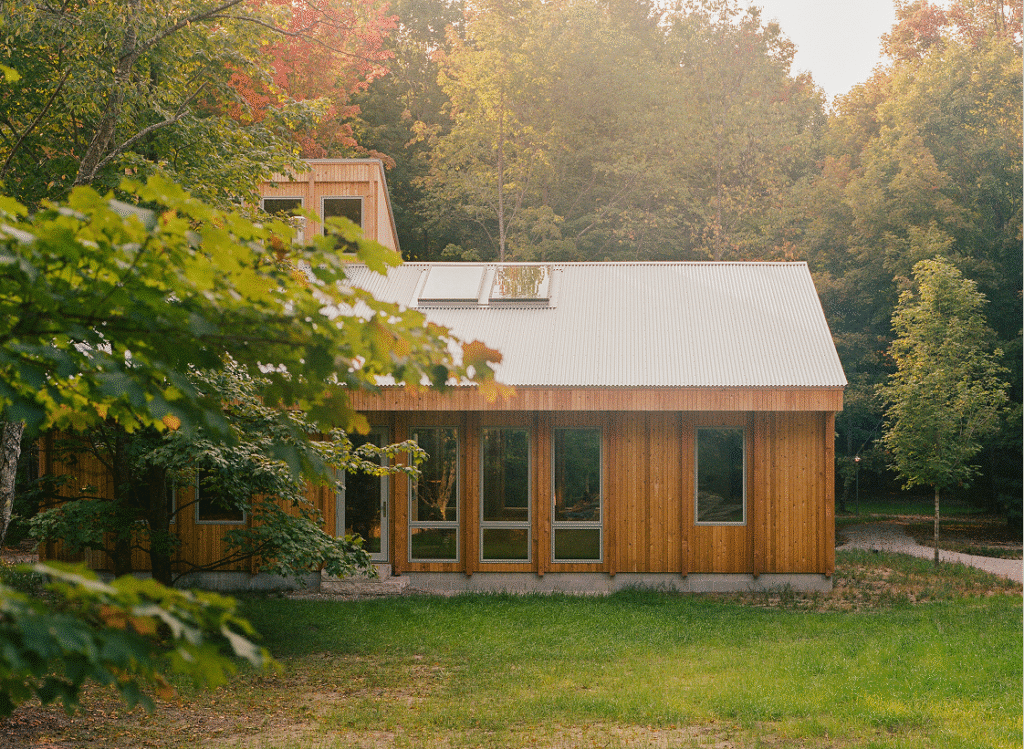
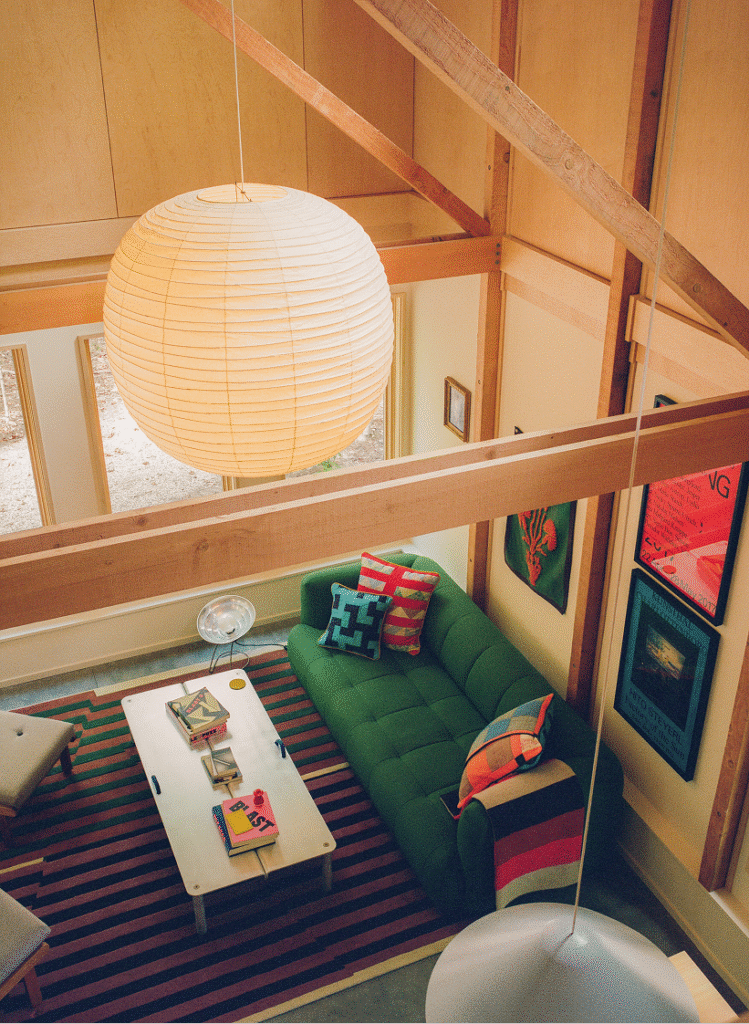
The design of the two wood-framed and -clad cabins—the Meadow Cabin and the Forest Cabin, named for their respective positions within the landscape—were conceived with a shared DNA based on wood construction and finishes. The Meadow Cabin features an L-shaped plan under a split-gable roof; a double-height living/dining/kitchen area plus two bedrooms and two baths fill the ground level with a sleeping loft above.
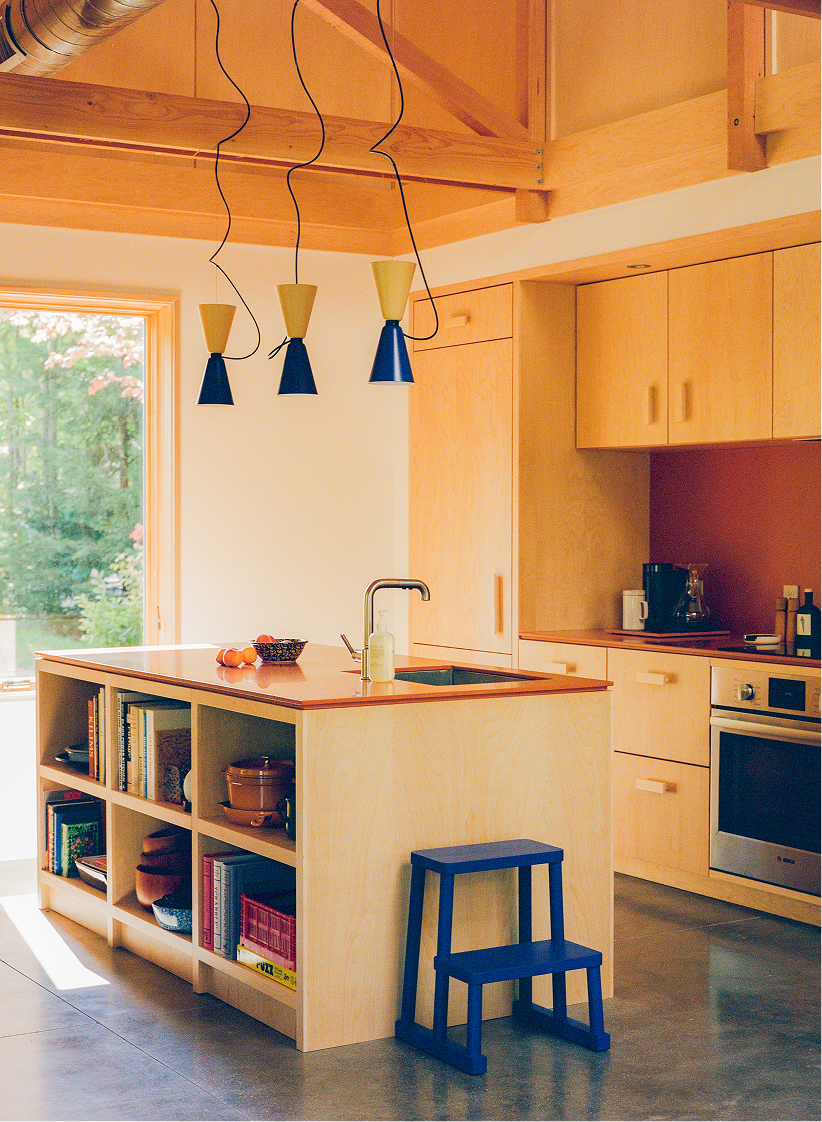
Parcel Friends | Meadow Cabin
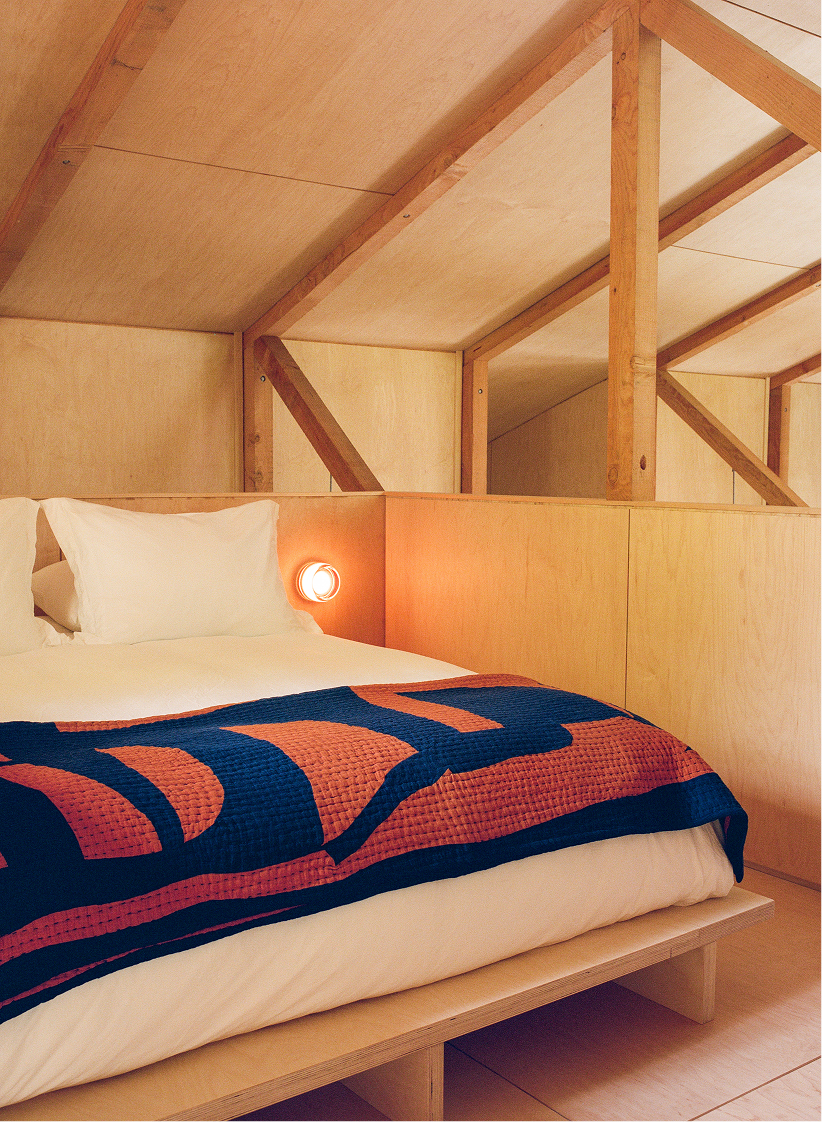
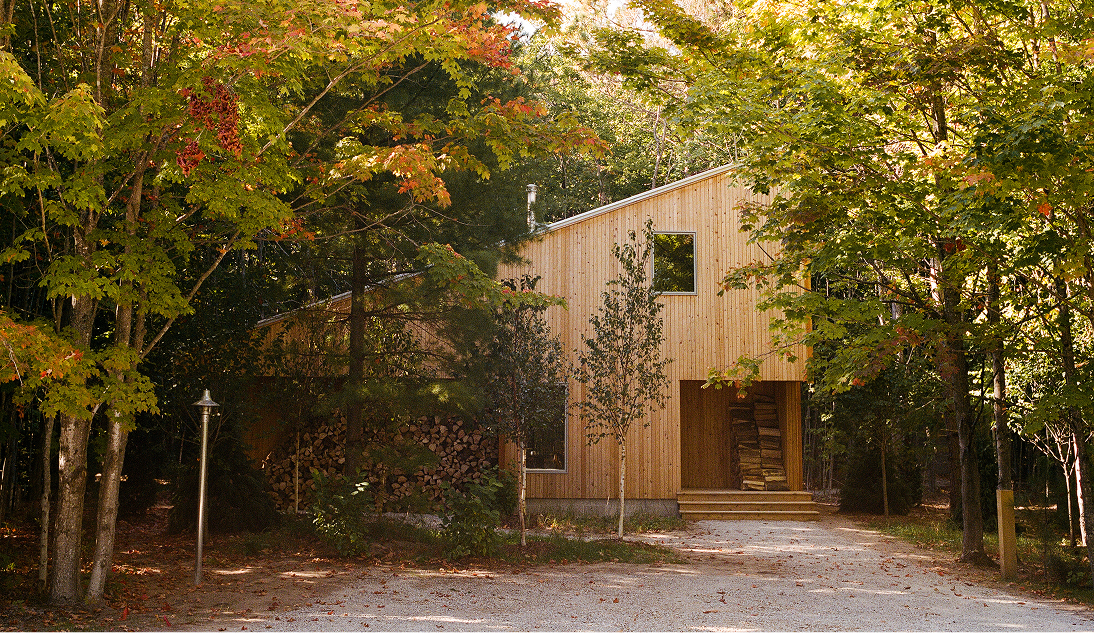
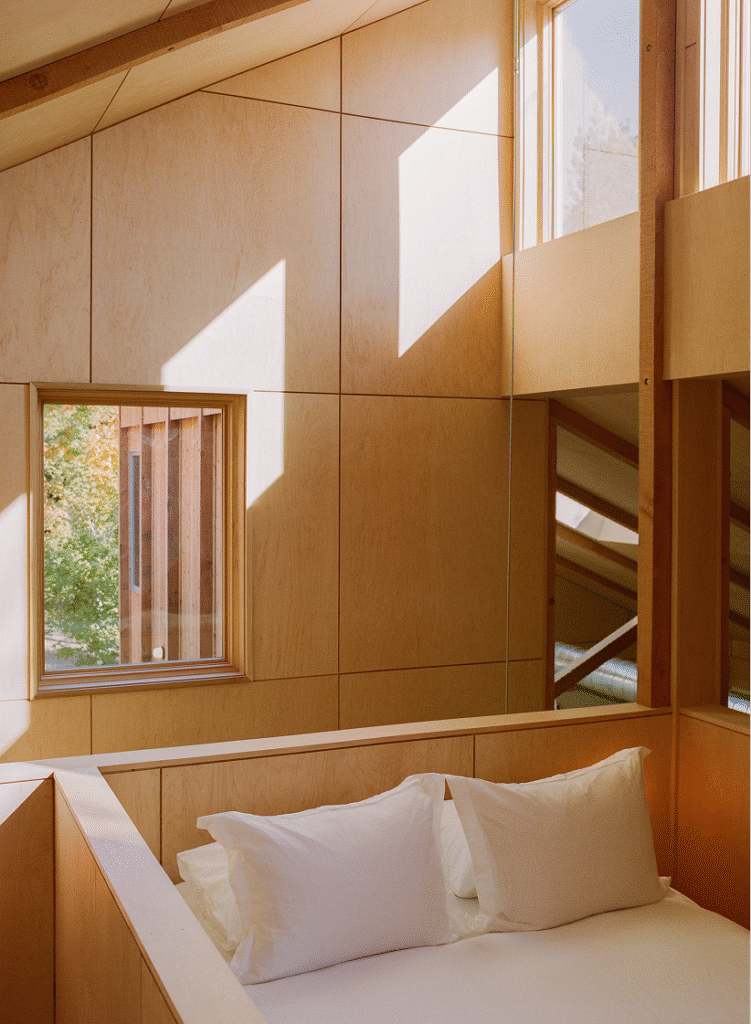
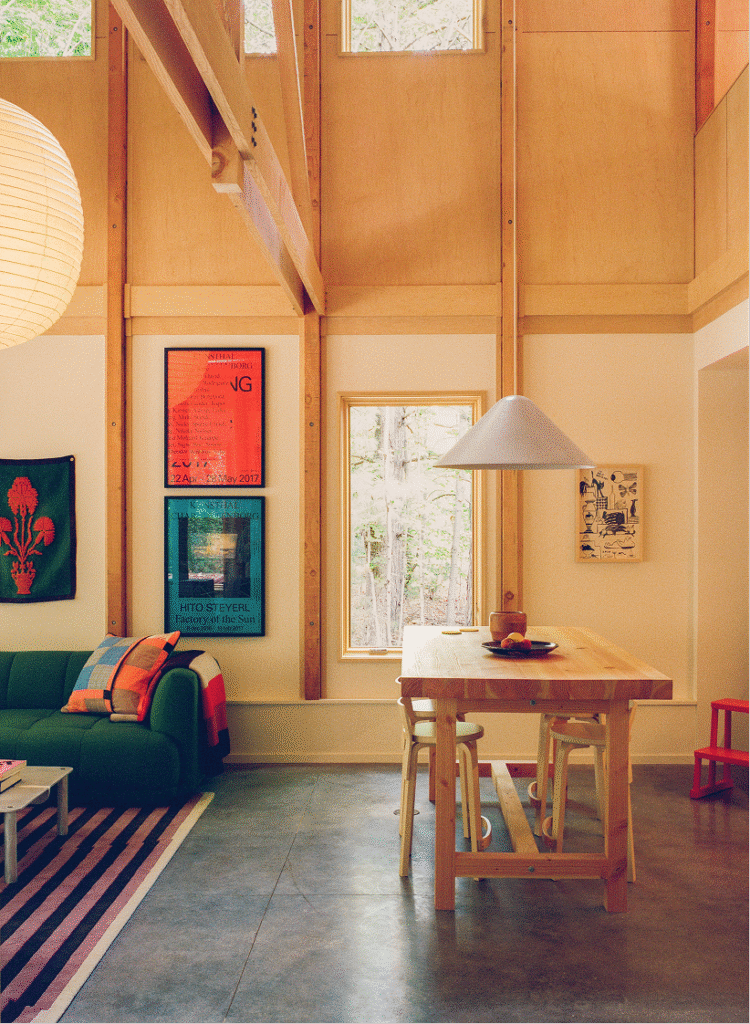
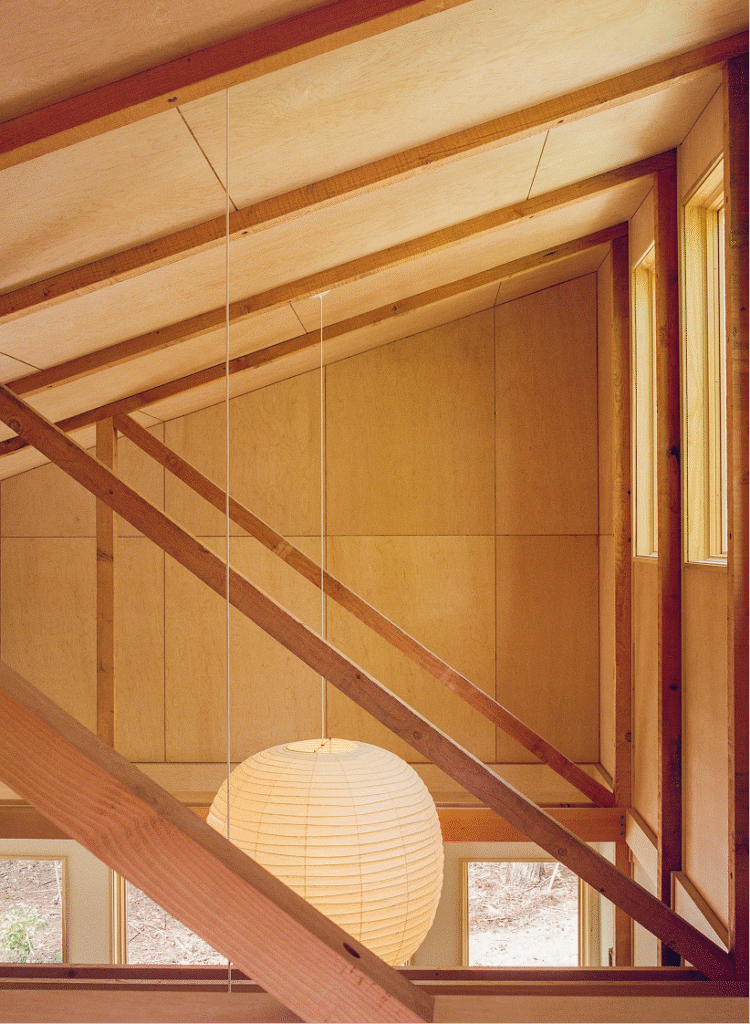
The more diminutive Forest Cabin has a T-shaped plan with living/dining/kitchen and a single bedroom and bath on the first level with a sleeping loft tucked under the high end of its shed roof. Both cabins use conventional light-frame wood construction, and while the budget precluded trusses, Moffitt designed dummy trusses above the two-story tall spaces that still offer the exposed heavy timber structure aesthetic for a lower price point.
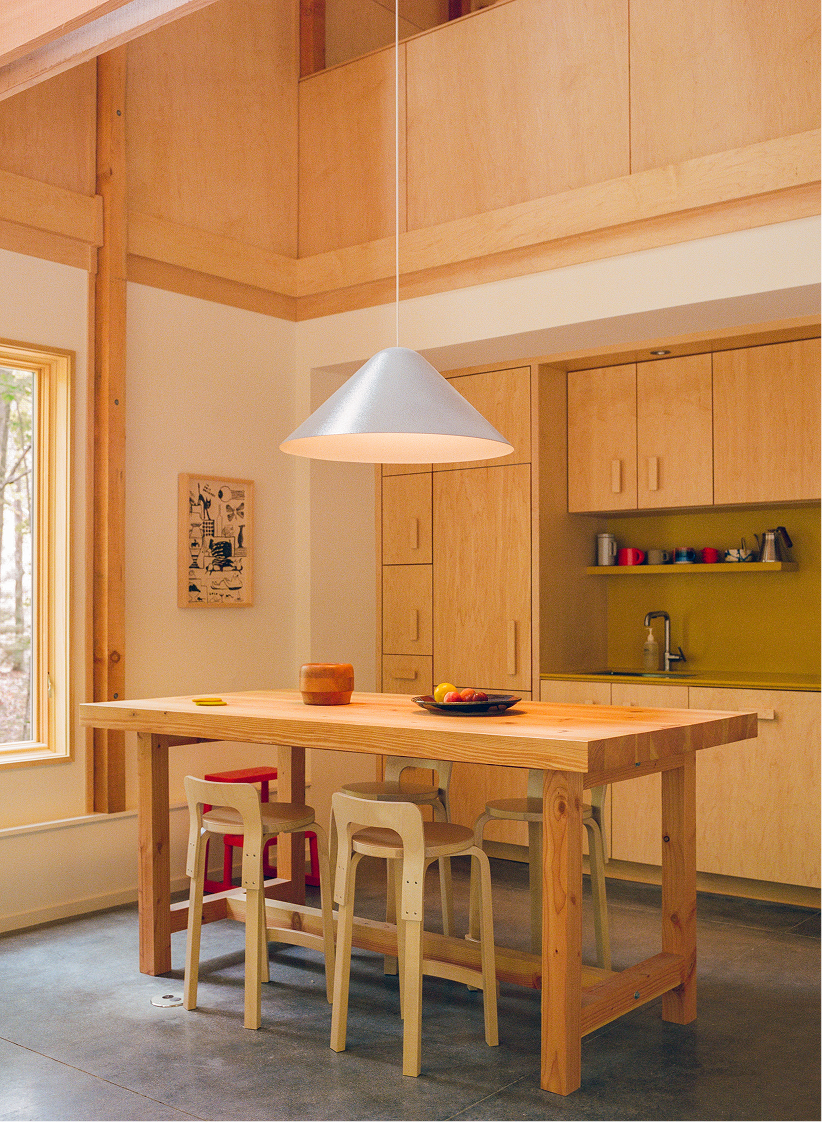
Parcel Friends | Forest Cabin
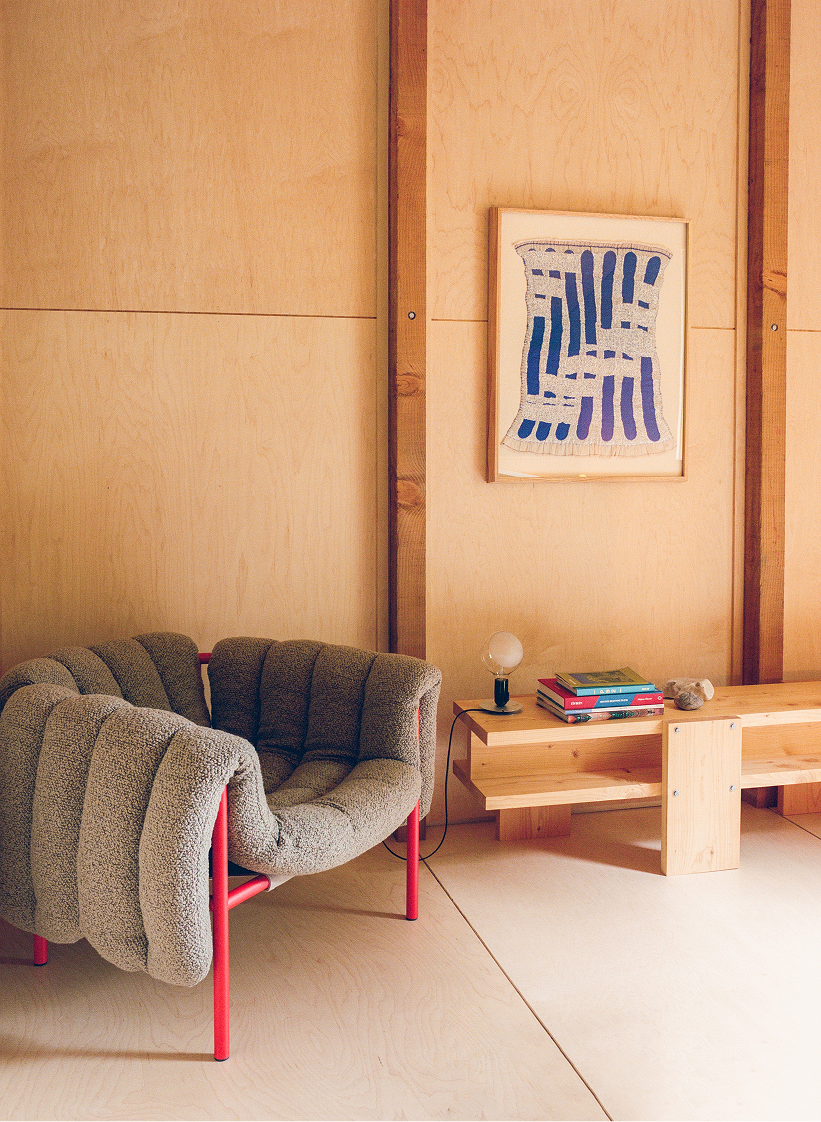
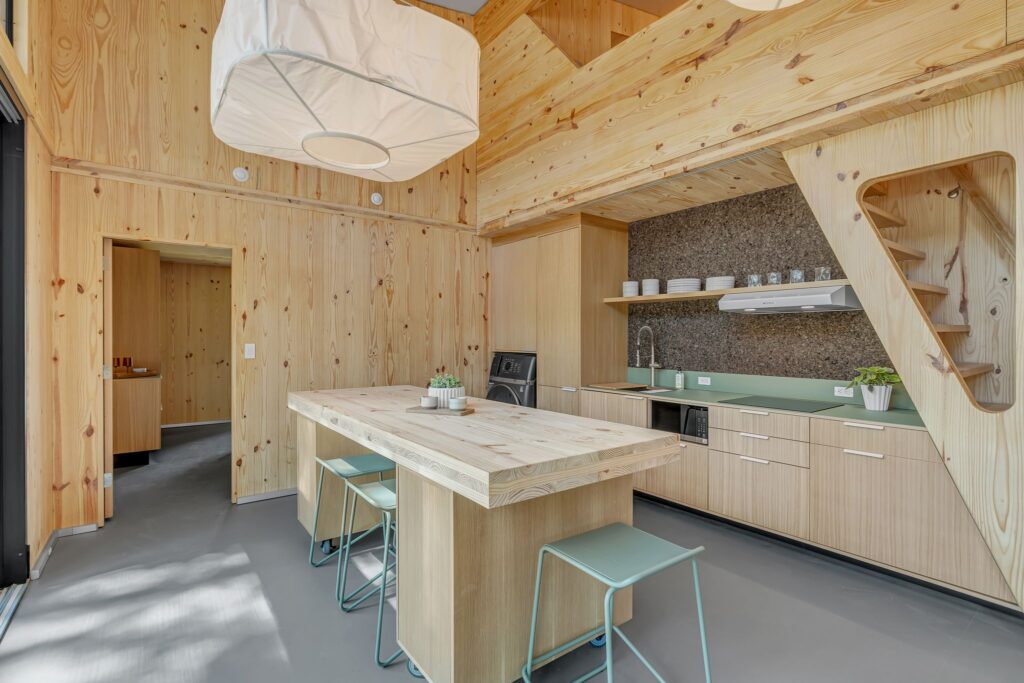
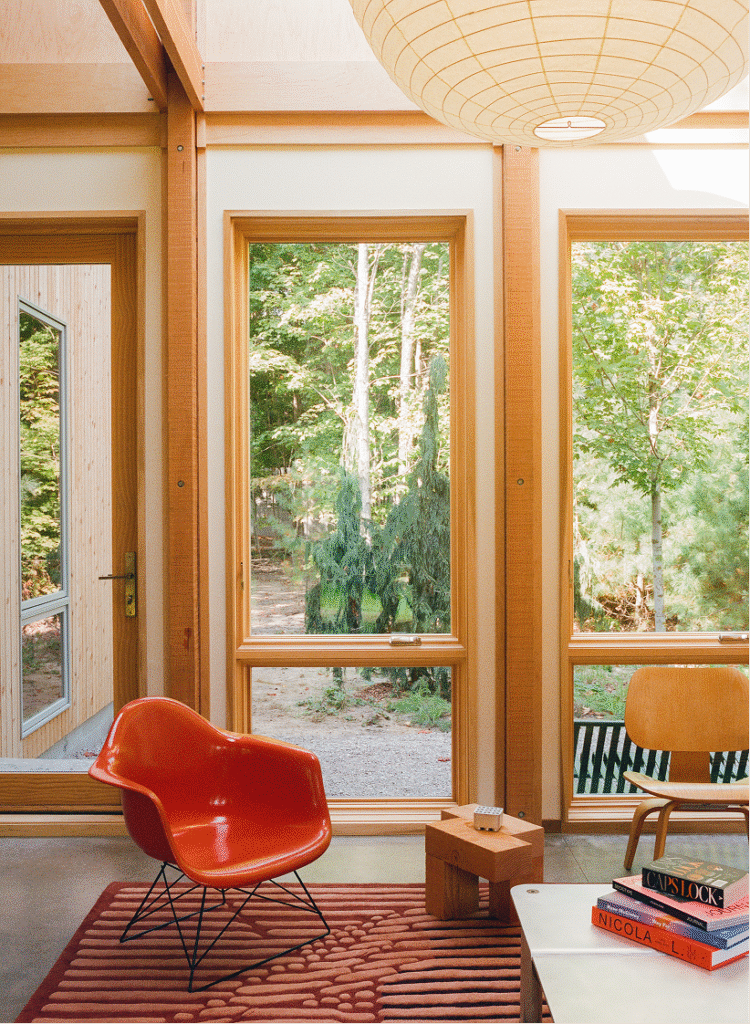
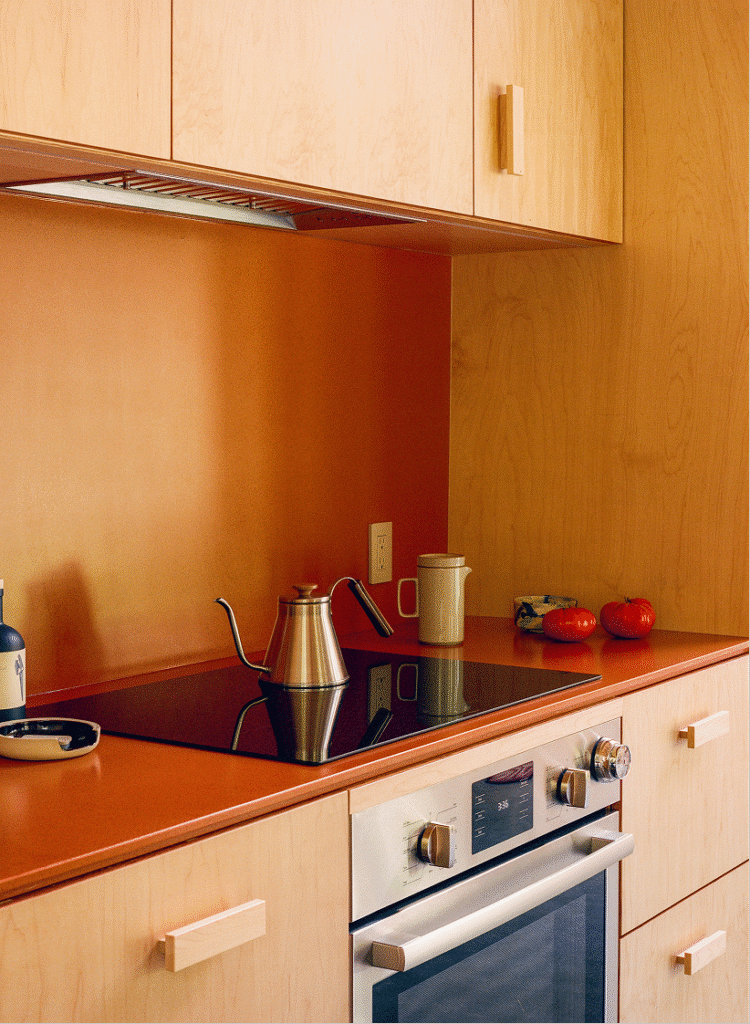
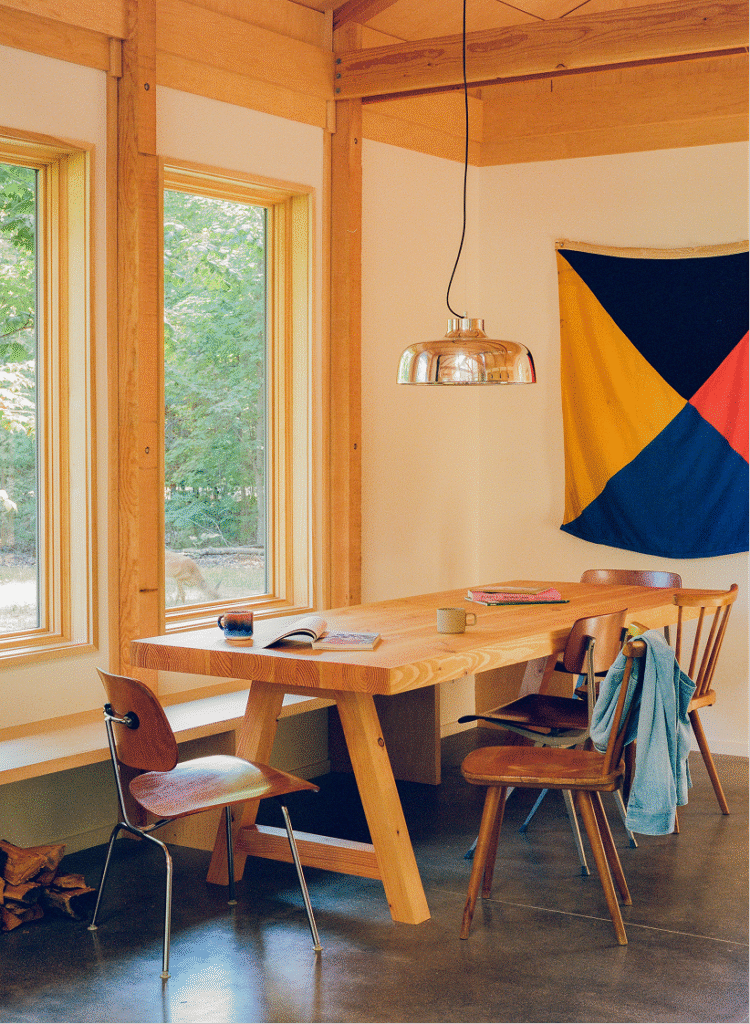
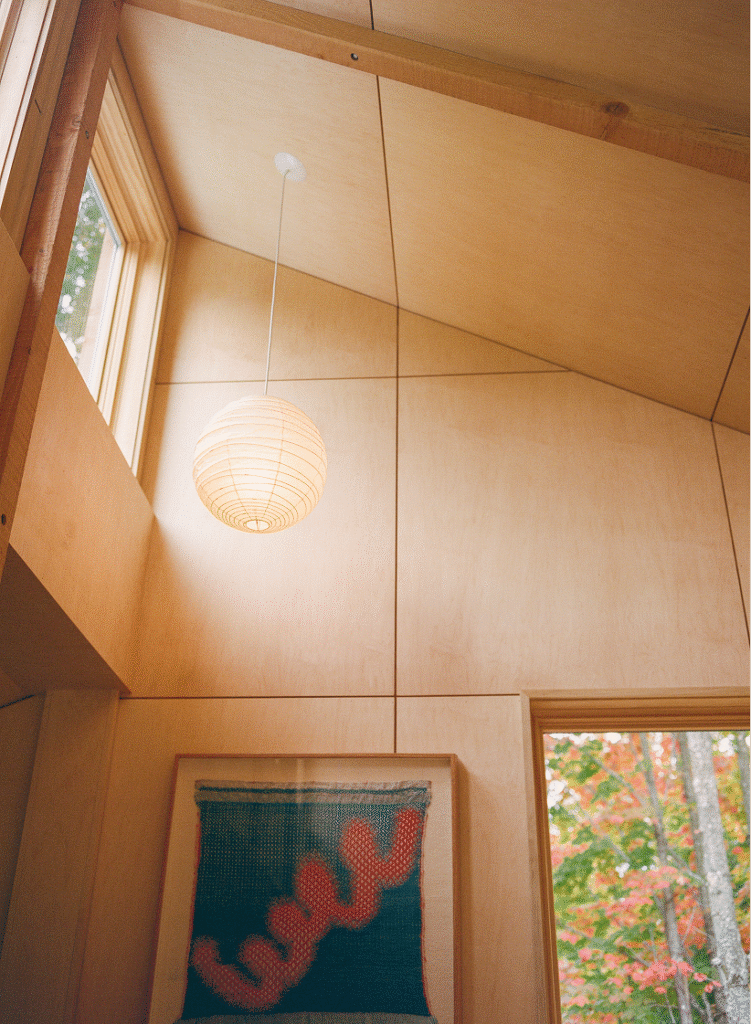
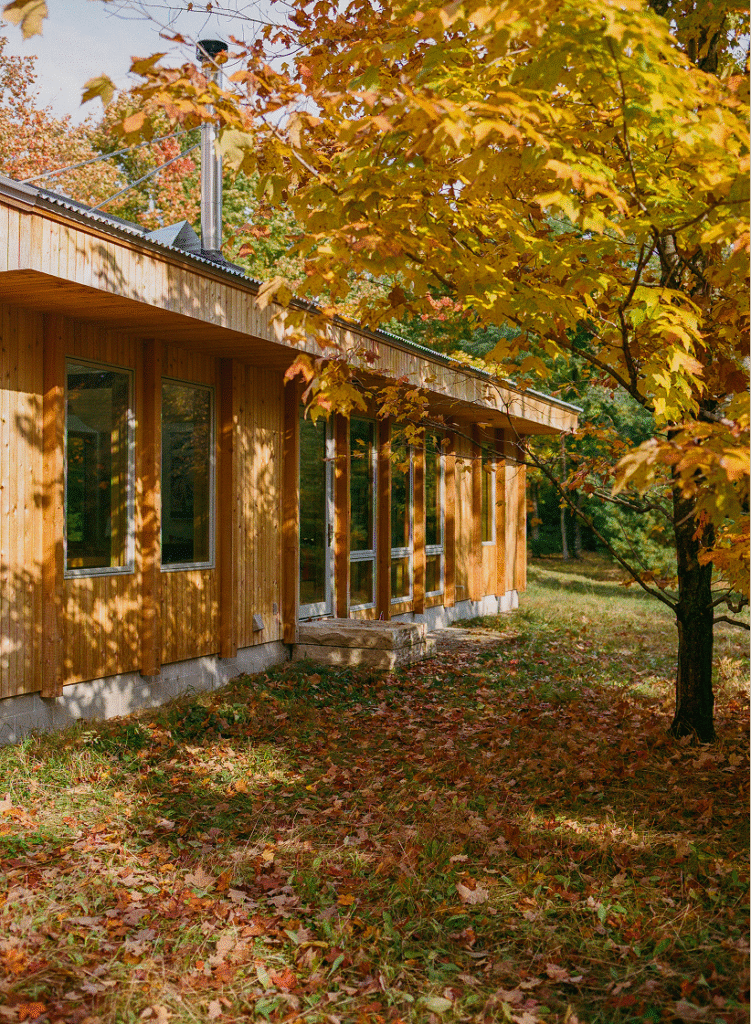
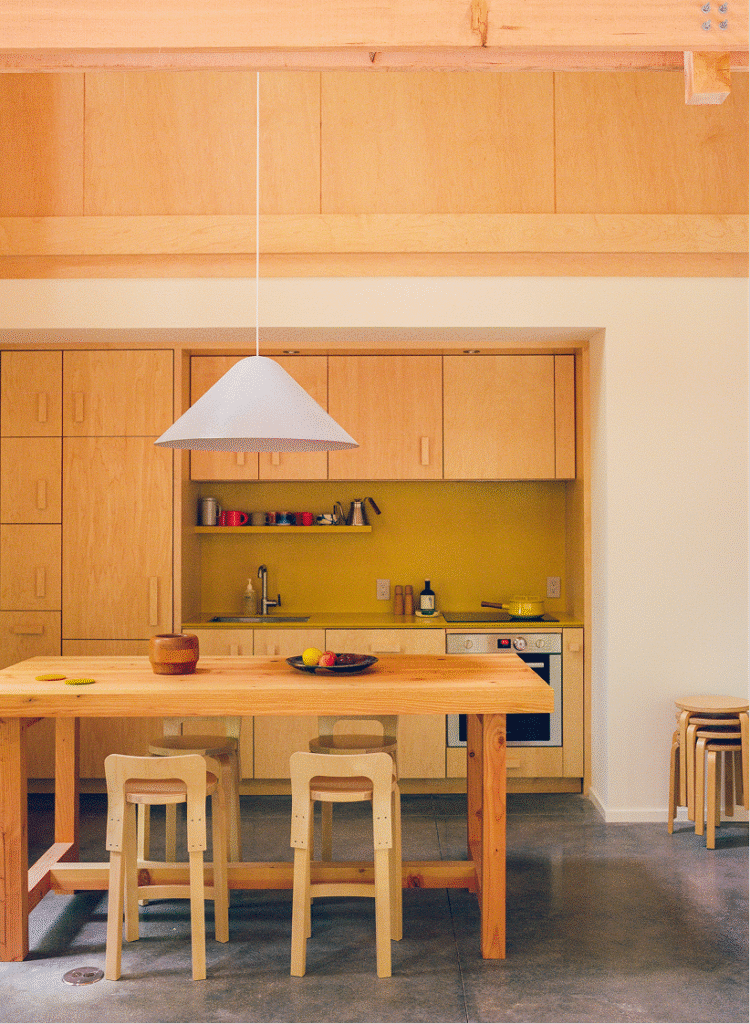
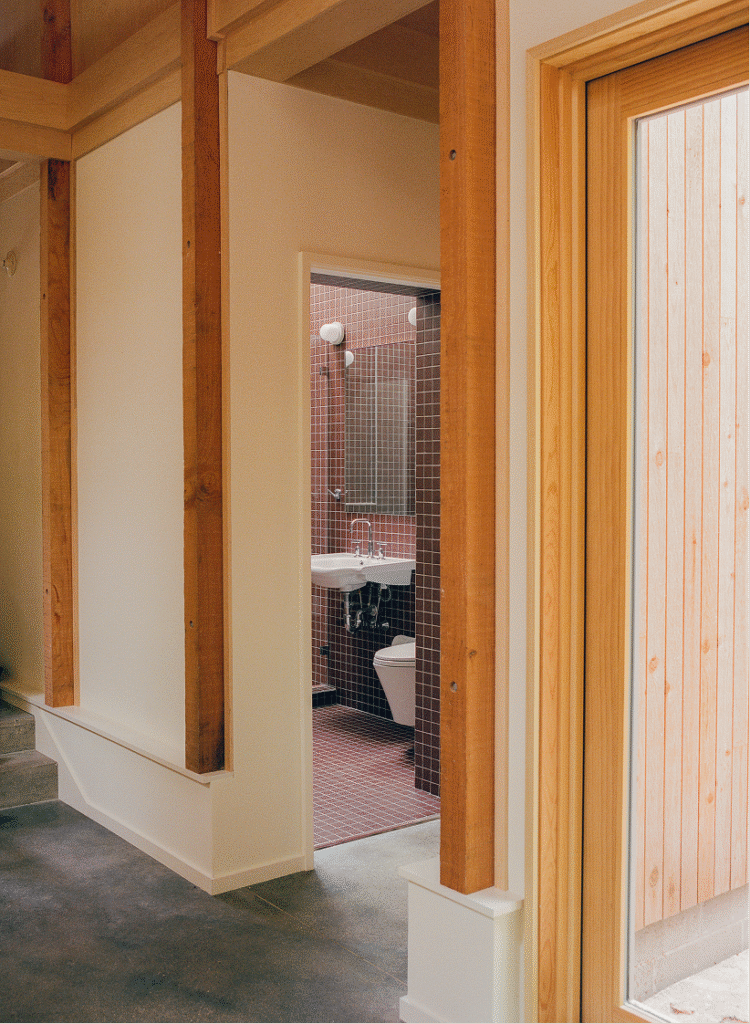
There are several rules of order within both cabins. They are laid out on a four-foot column grid that reflects the expressed Douglas fir “columns”—incorporated more for looks than structural support—on the interior and exterior. “The softwood materials feel beautiful and durable to people that are staying there,” Moffitt says. Wood was central to creating spaces that feel welcoming and well-loved, Moffitt adds—which is critical for a broadly appealing vacation rental. And the designer kept the scale intimate in the tall space by introducing a horizontal datum for materials: Everything eight feet above the ground level is clad in a warm untreated plywood, everything below is gypsum board. Each cabin has windows finished with untreated pine on the interior to complete the exposed wood aesthetic.
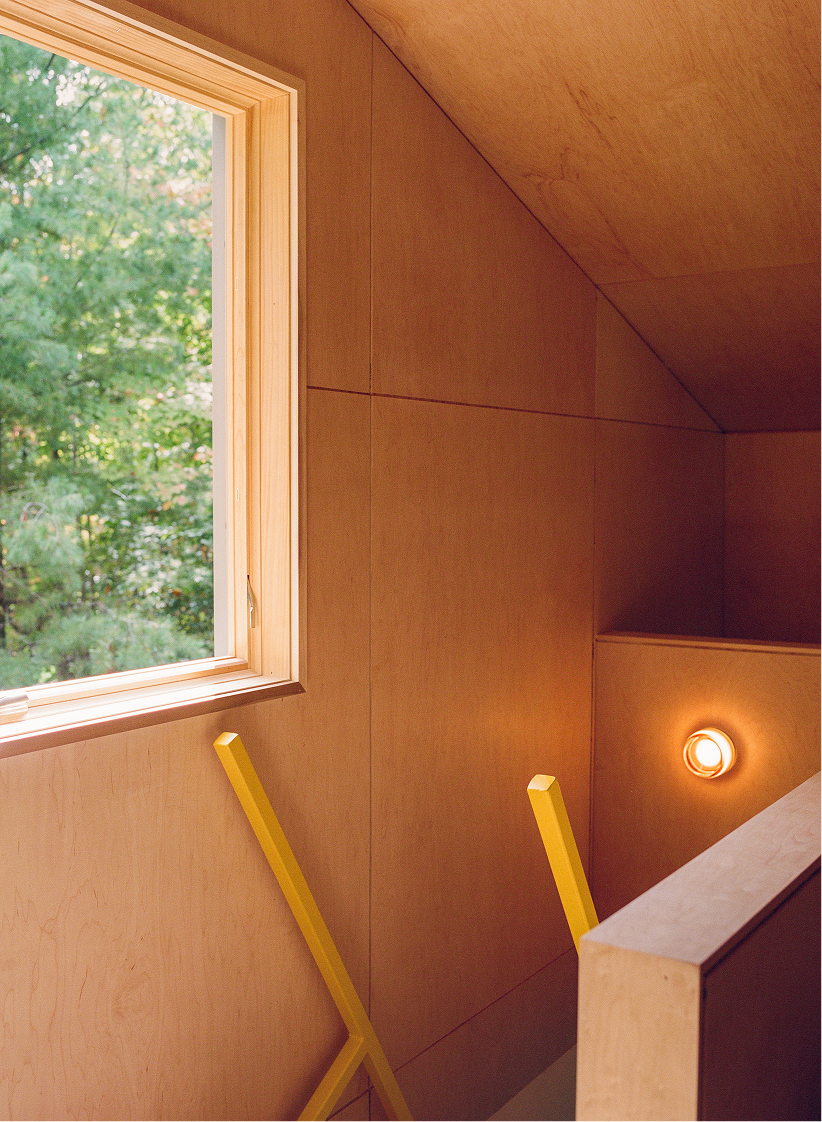
Parcel Friends | Forest Cabin
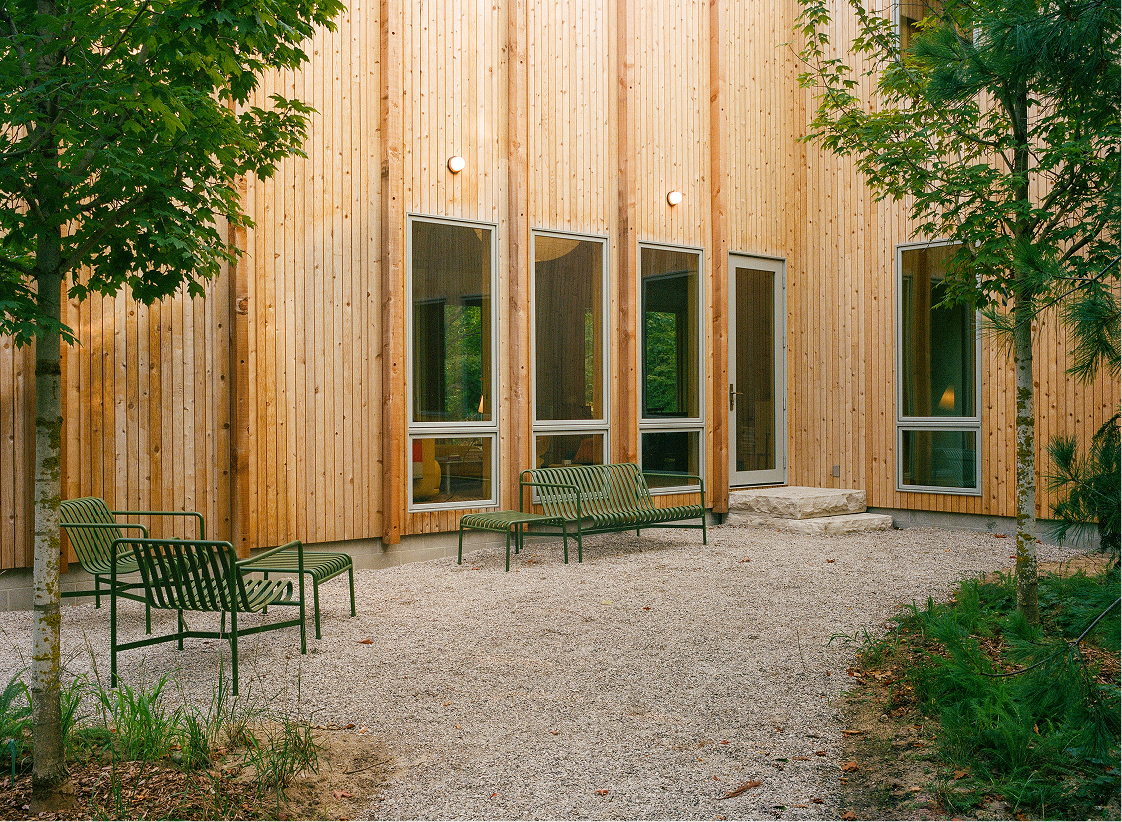
Parcel Friends | Meadow Cabin
The cladding on both structures is vertically oriented STK-grade untreated cedar that adds to the rustic-yet-refined look of the retreat. “It’s just a beautiful material with lots of knots,” Moffitt says. “It’s a bit raw on one side and smooth on the other.”
Economy and ingenuity added to the ensemble. Cox recalls that there were extra pieces of Douglas fir that remained after primary construction was complete. “I sketched up some simple side tables and went to a friend’s workshop in his garage and made a bunch of side tables out of them,” he says.
“One of the biggest successes of how the wood is used is that [the species] feel singular in a certain way, even though they clearly read differently,” Cox says. “The Douglas fir is quite raw and the plywood is maple, but they come together in harmony.”
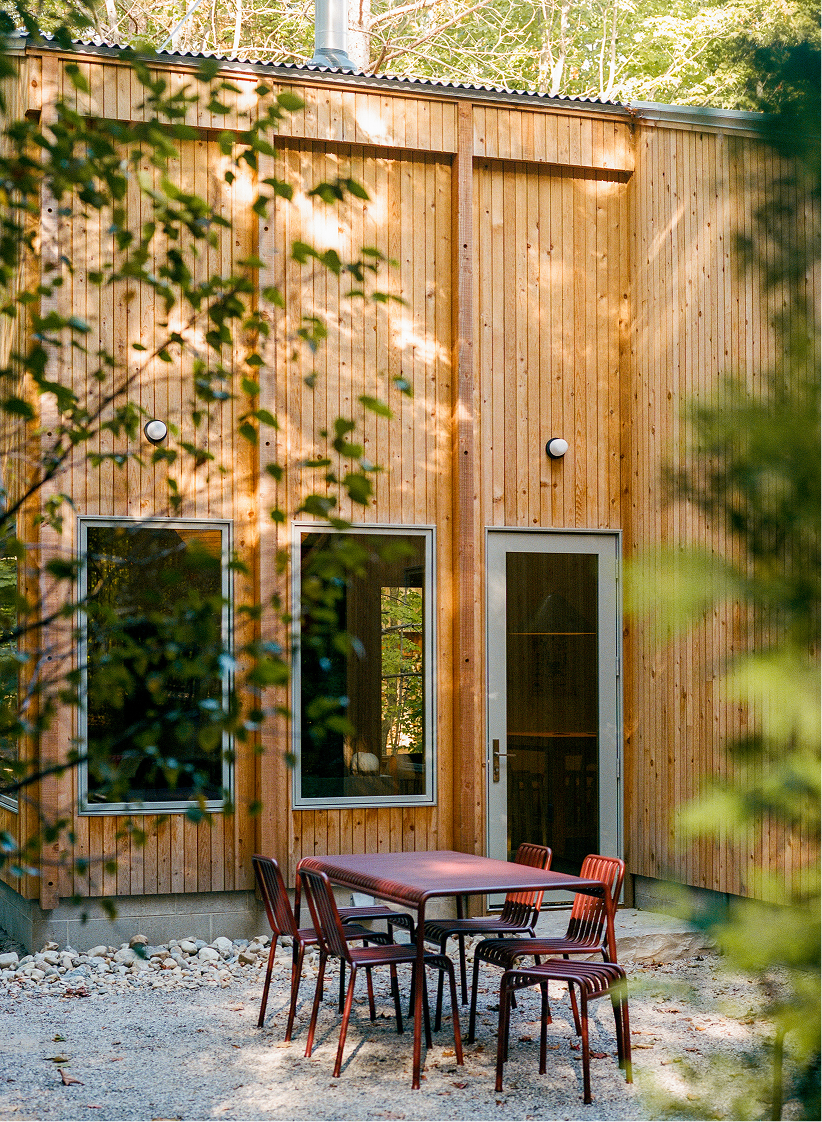
Parcel Friends | Forest Cabin
Parcel Friends | Meadow Cabin
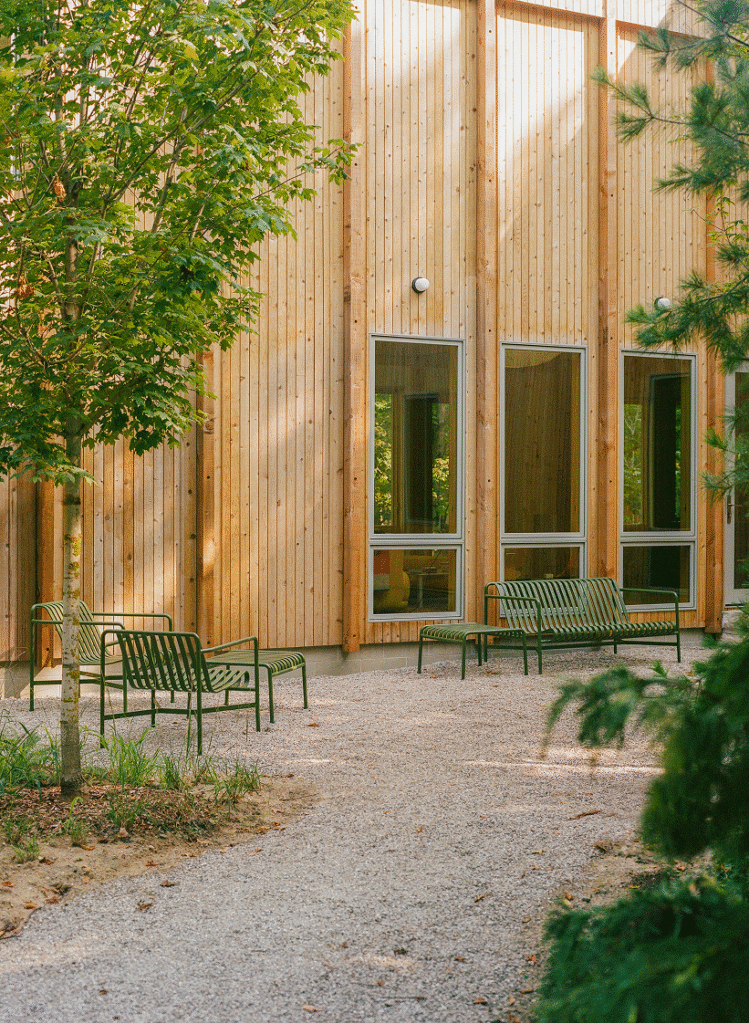

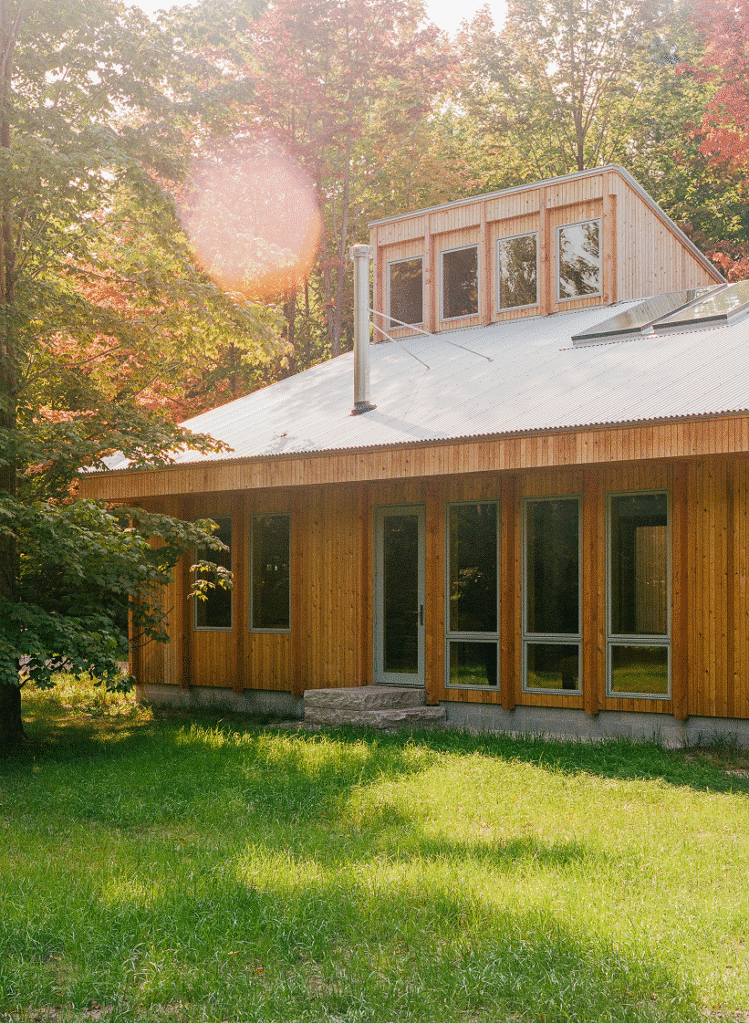
Parcel Friends | Forest Cabin

Parcel Friends | Amenities
Project Details
- Project Name:
- Parcel Friends
- Location:
- Leelanau County, MI
- Architect:
- Size:
- 1,200 square feet (Meadow Cabin)
- 800 square feet (Forest Cabin)
- Timber Products: