Top 10 Projects of 2025
From an alpine light-frame home in the U.S. Intermountain Region floating 9,000 feet above sea level to a mass timber contact center perched along a ridgeline in Maine’s Katahdin Woods, this year’s top projects push wood construction into some of the most demanding—and inspiring—contexts imaginable.
The Top 10 Projects of 2025 reflect more than formal ambition. They demonstrate how wood systems are being constructed with precision and confidence across diverse climates, typologies, and scales, from CLT and light-frame prefab single-family residences to modular multifamily housing that proves factory-built wood architecture can deliver both beauty and brawn. Together, all of these projects point to an ongoing evolution—one that confirms this centuries-old, naturally renewable material remains as relevant today as ever.
Check them out below, and learn more about the mass timber and light-frame structural systems that can transform your next project.
HDR Pavilion at College of Architecture, University of Nebraska–Lincoln
A Living Laboratory for Mass Timber Education
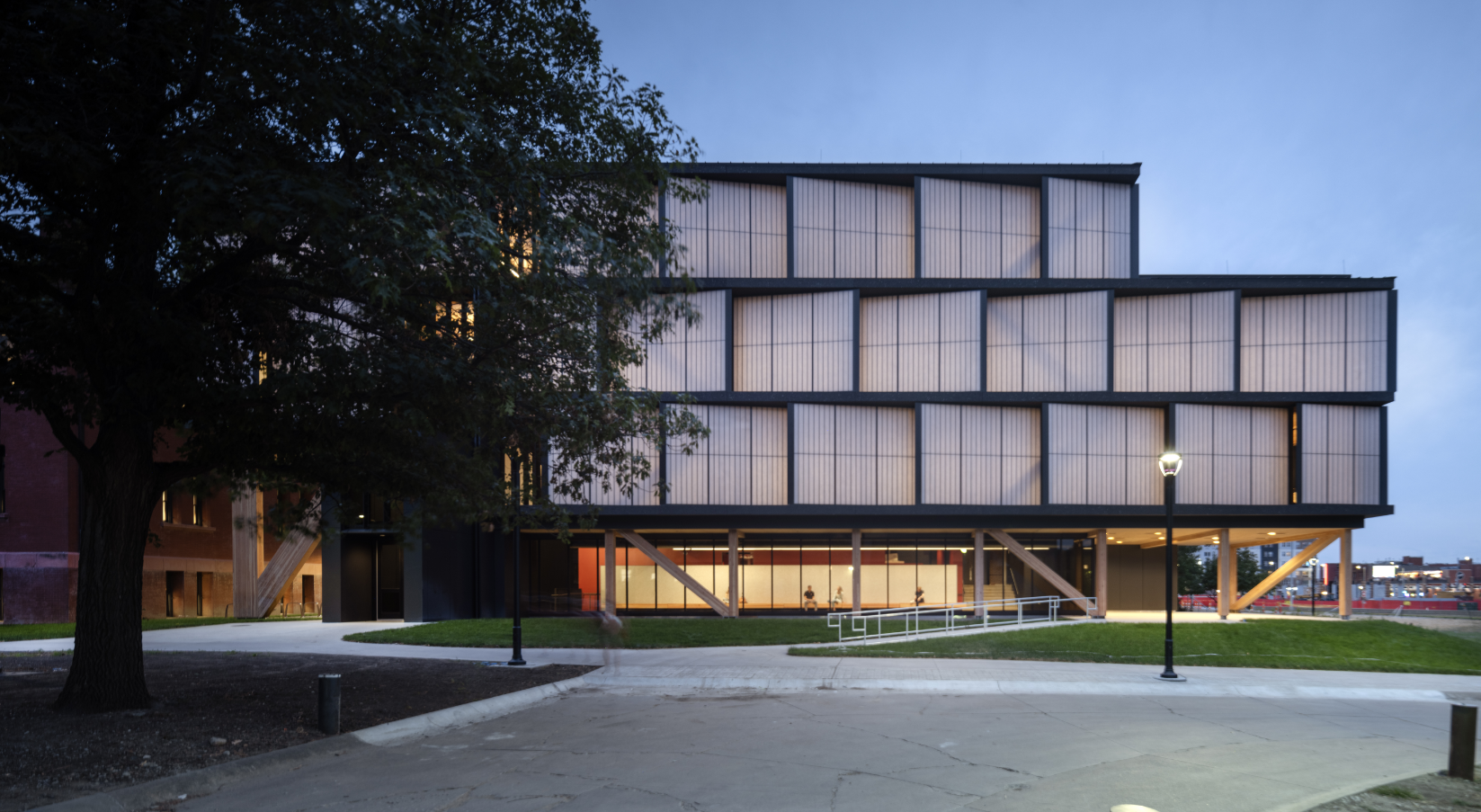
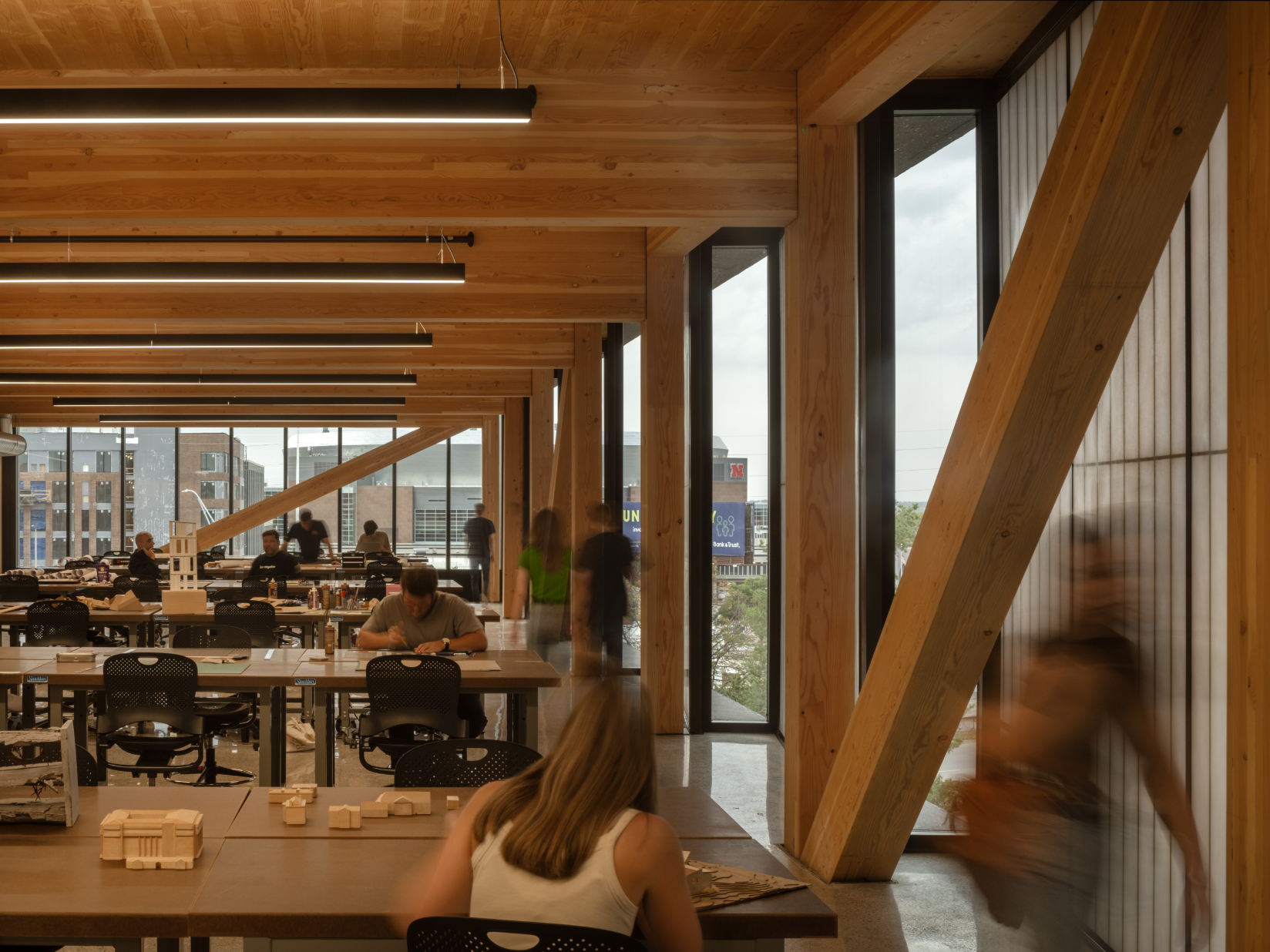
Designed by NADAAA in collaboration with HDR, the HDR Pavilion at the College of Architecture at the University of Nebraska–Lincoln reframes the academic building as both teaching space and teaching tool. The mass timber addition connects three existing buildings within the Architecture Hall complex, using CLT construction to make structure, load paths, and lateral systems fully visible. More than an expression of sustainability, the project functions as a living laboratory. This supports hands-on learning, tours, and real-time study of mass timber performance, while extending a campus legacy that dates back to 19th-century timber construction. Efficient, direct, and deliberately unflashy, the pavilion demonstrates how clarity, craft, and carbon-conscious design can quietly shape architectural education.
Aro House
Prefab Precision with a Carbon-Negative Ambition
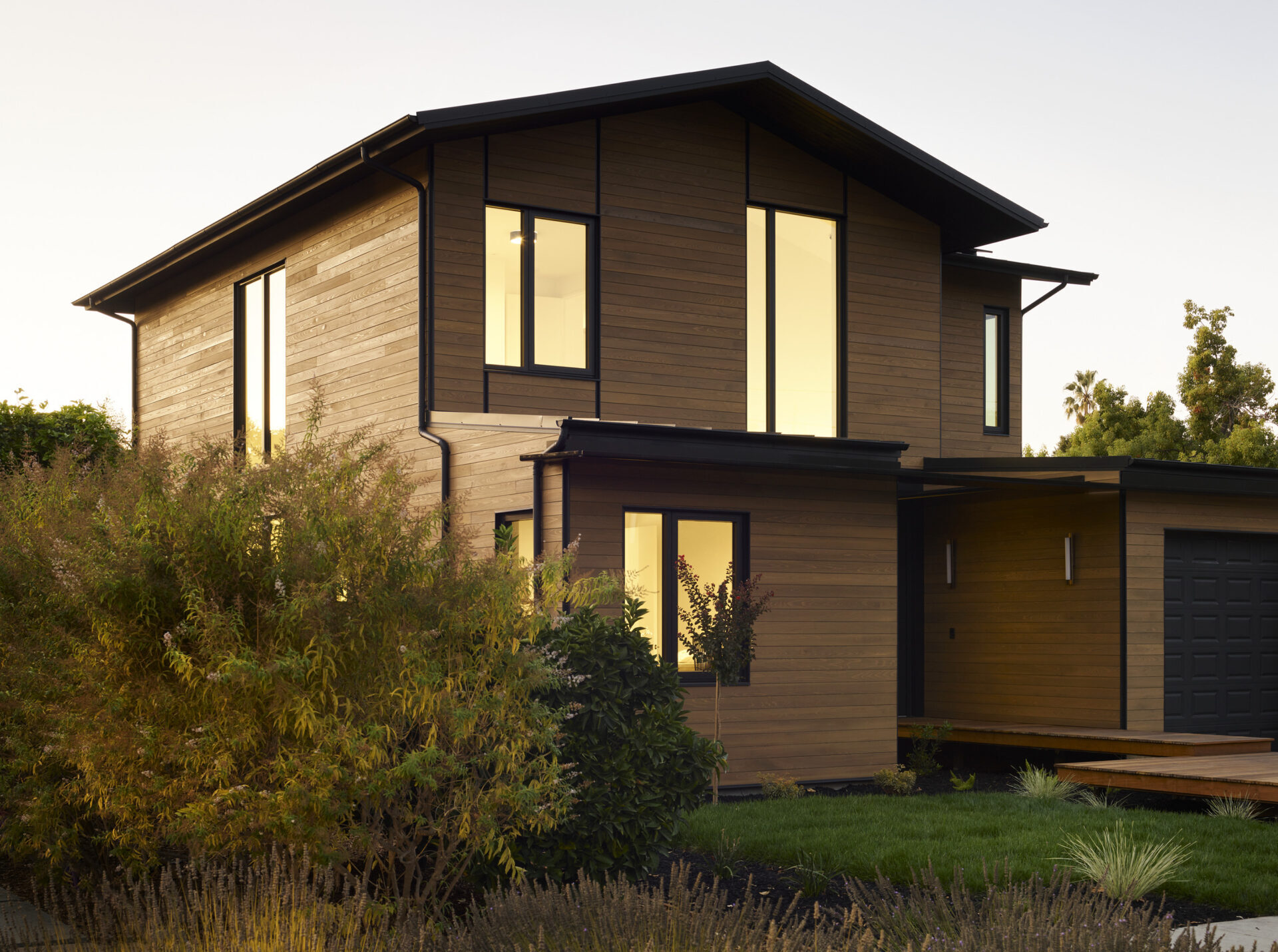
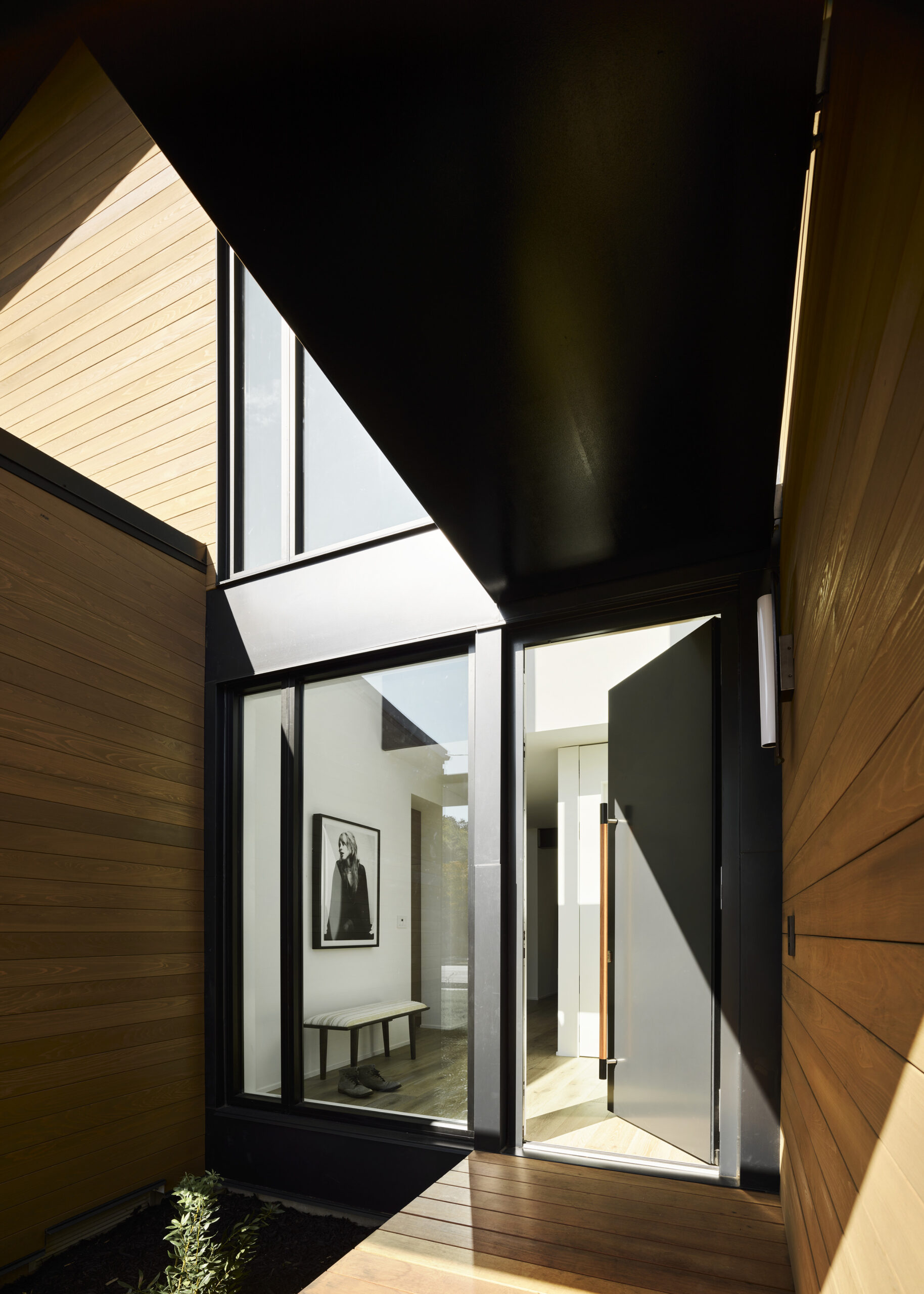
Designed by Olson Kundig for Aro Homes, this 3,000-square-foot single-family prototype rethinks light-frame construction through a hybrid off-site/on-site prefabrication model. Built primarily in a factory using conventional stick framing, the two-story home pairs architectural familiarity with advanced performance. This hybrid factory-built approach helped compress construction timelines while targeting a carbon-negative footprint. The modular system is deliberately understated, allowing wood’s versatility to deliver warmth, durability, and design flexibility without telegraphing the process behind it. By blending automation, predictability, and craft, the project points toward a scalable future where prefab housing is not only faster and cleaner, but genuinely livable.
The Davis Center, Williams College
Cultivating College Connections with Wood
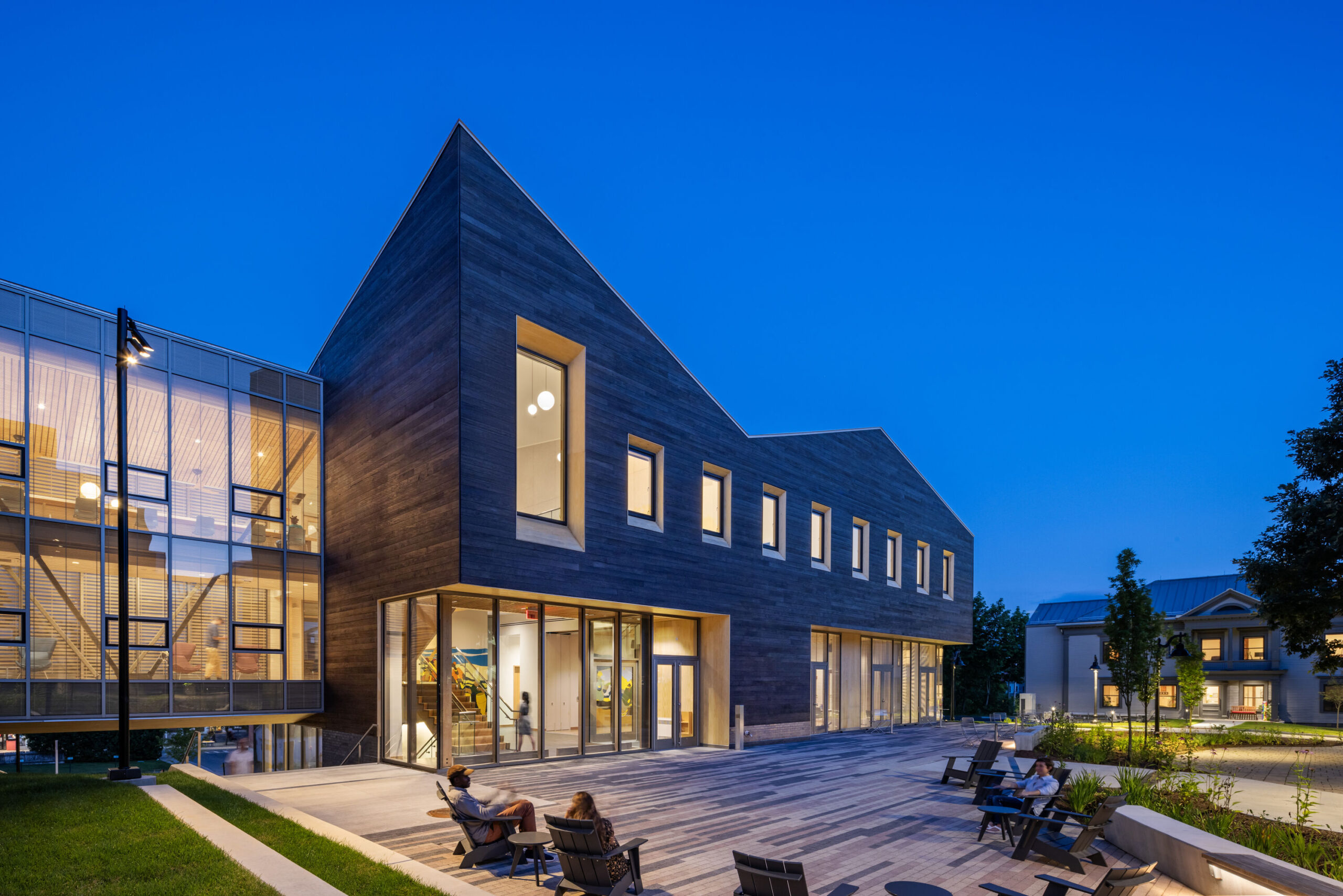
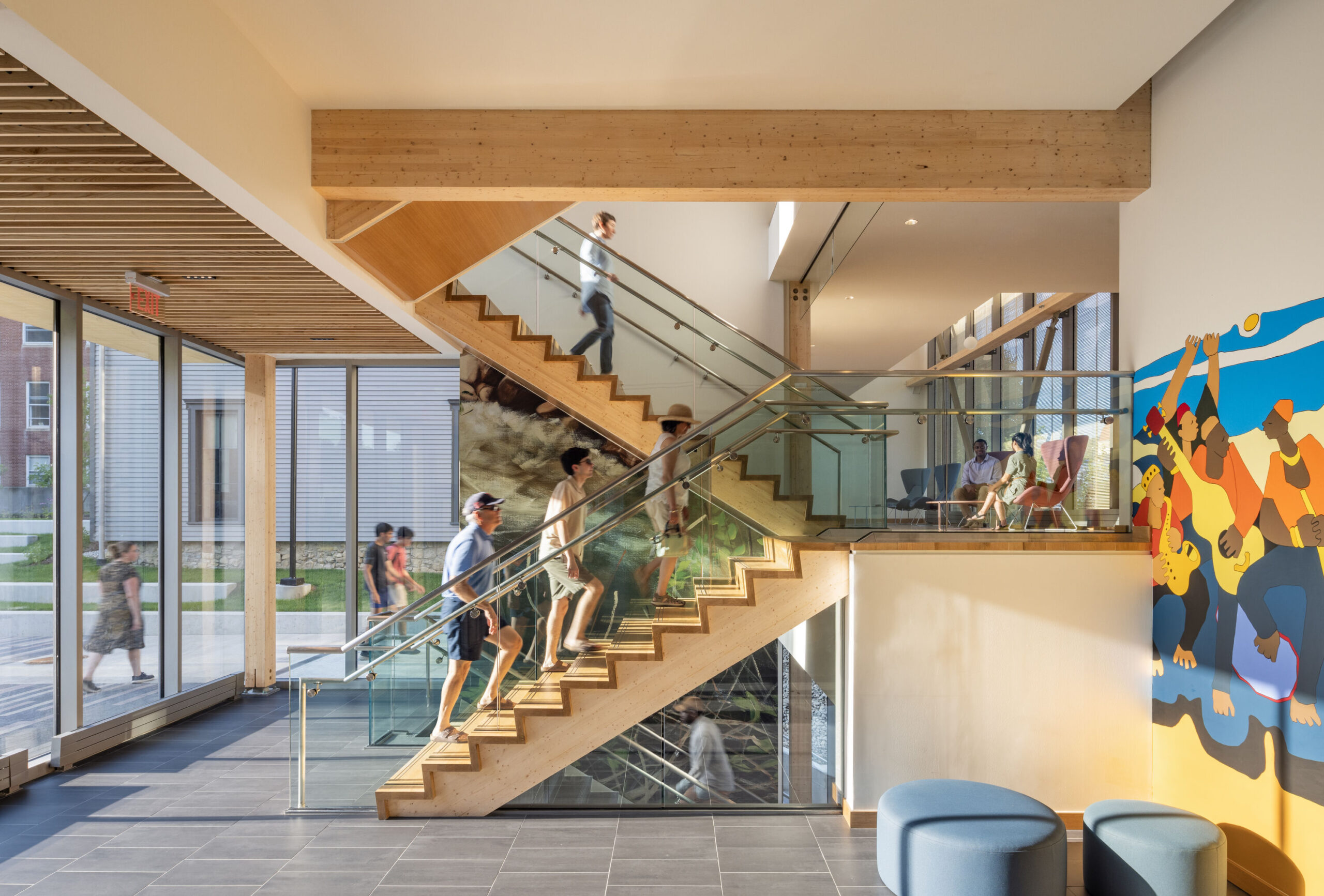
At Williams College, the Davis Center weaves together architecture, activism, and material legacy. Designed by Leers Weinzapfel Associates, the project unites renovated 19th-century post-and-beam houses with a new hybrid mass timber and light-frame addition. Reclaimed cedar, white oak flooring, and exposed timber structure create a low-carbon, biophilic environment that feels simultaneously contemporary and deeply rooted in place. More than a building, the Davis Center functions as a campus living room—one that reflects decades of student advocacy while demonstrating how wood construction can support inclusion, wellness, and long-term stewardship.
House at 9,000 Feet
Alpine Home Shaped by Wind, Snow, and Wood
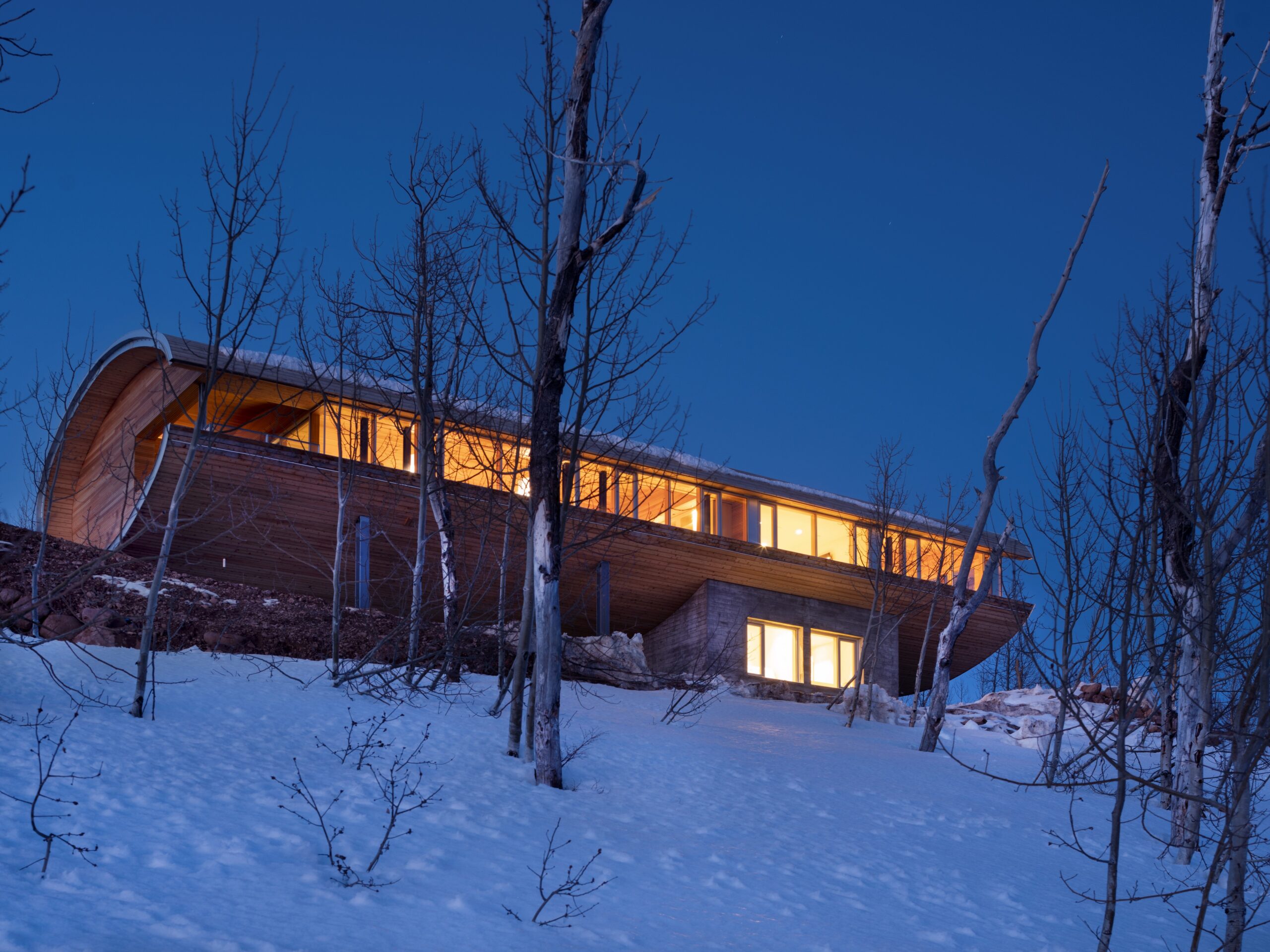
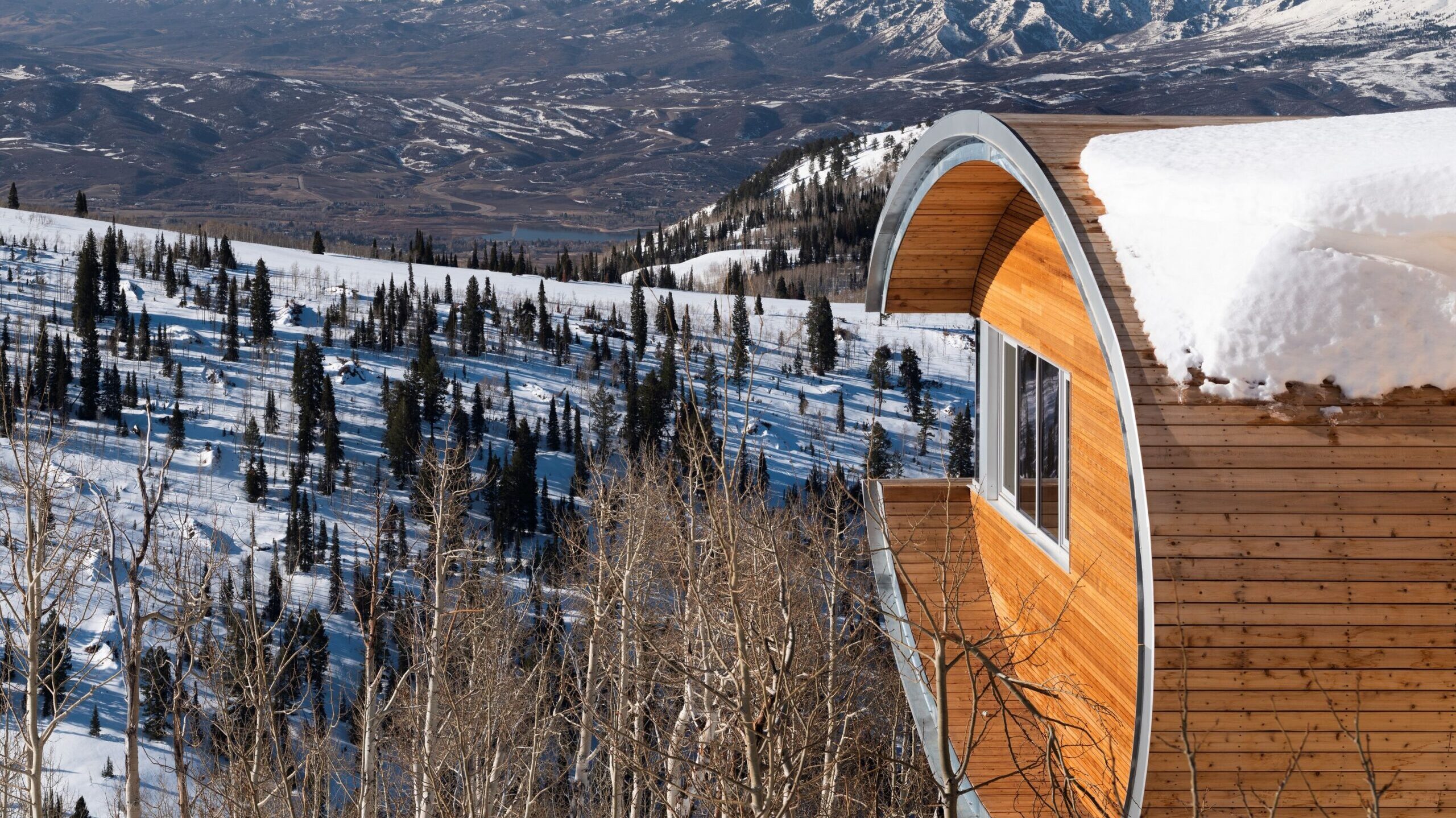
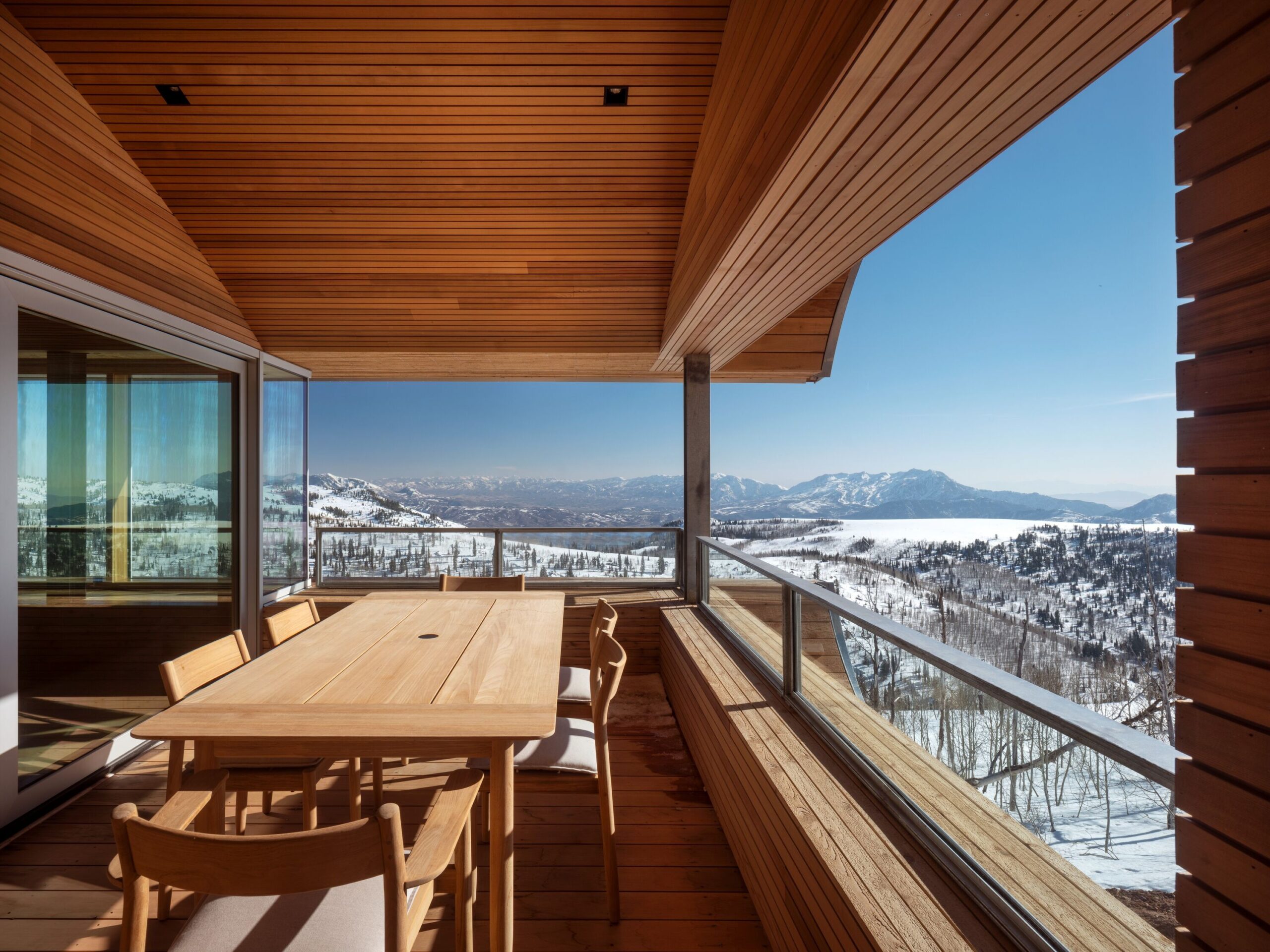
Perched at 9,000 feet above sea level in the U.S. Intermountain Region, the House at 9,000 Feet by MacKay-Lyons Sweetapple Architects showcases how light-frame and nearly all-wood construction can thrive in extreme alpine conditions. Elevated on steel stilts and wrapped in cedar, the home’s elliptical form reduces wind resistance, sheds heavy snow loads, and minimizes its impact on a steep, fragile site. Built almost entirely of wood, the structure blends regional pragmatism with quiet formal ambition. The project uses material honesty, passive strategies, and careful siting to create a resilient mountain retreat that feels both grounded and airborne.
Africatown Plaza
Affordable Light-Frame Housing with Civic Presence
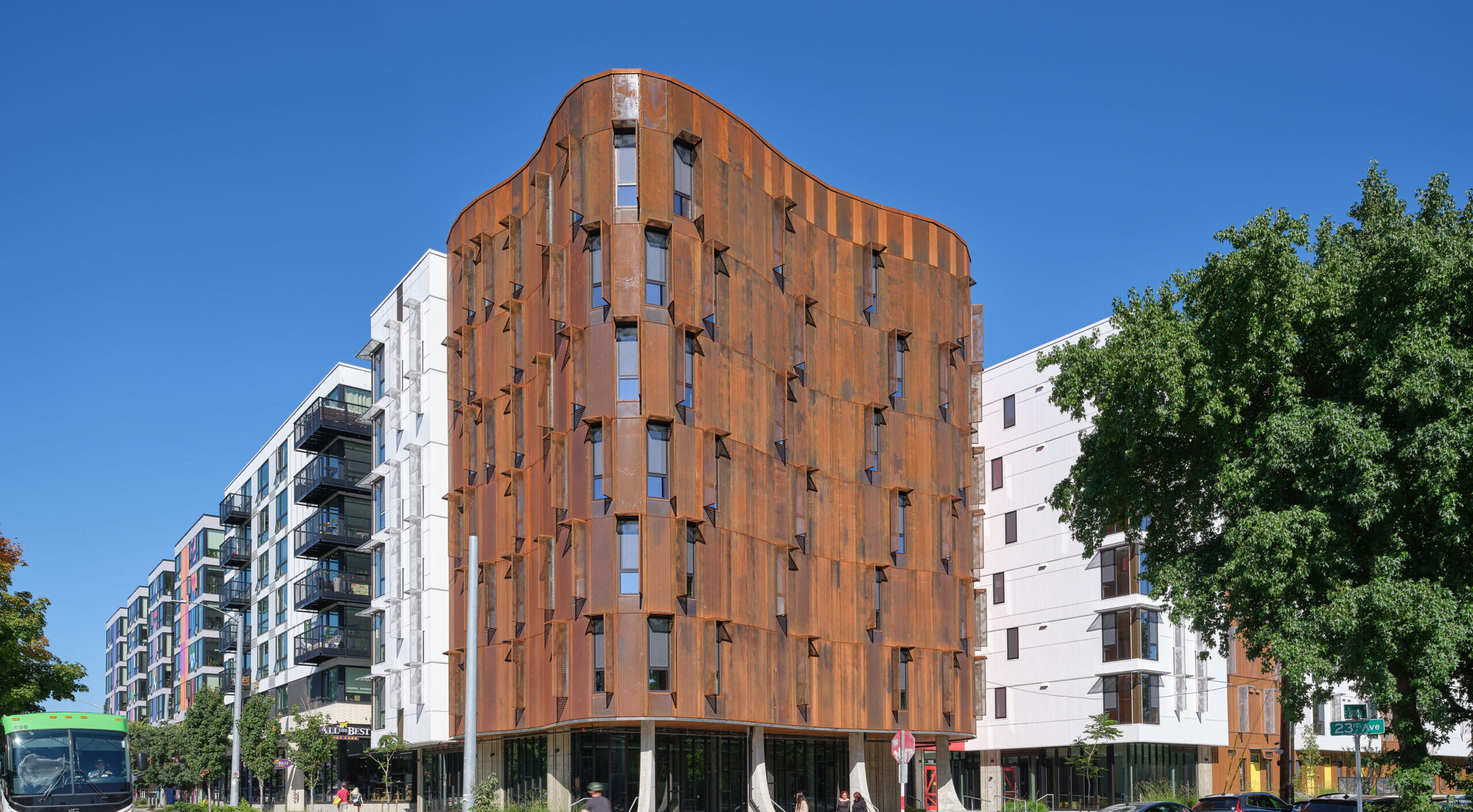
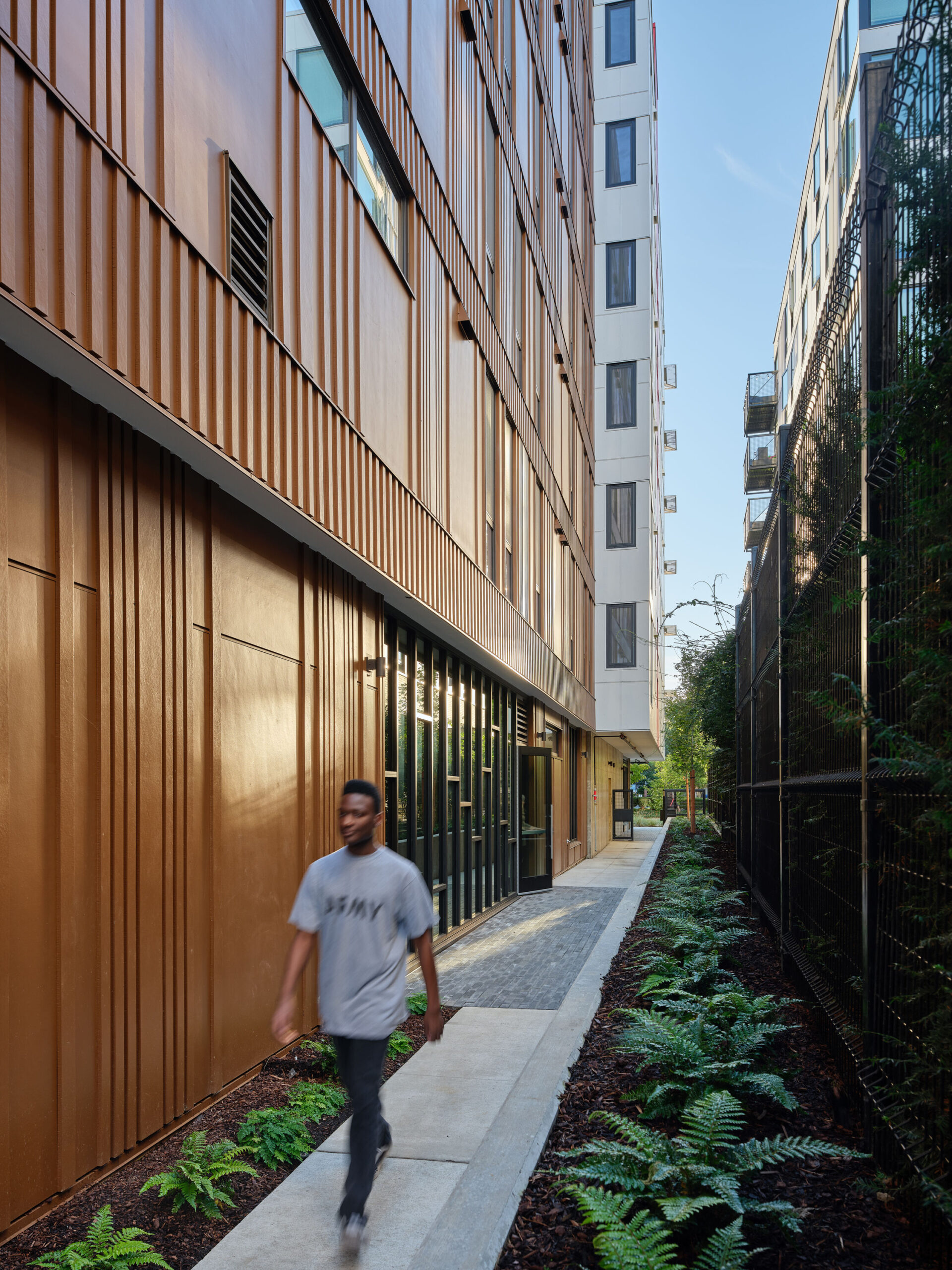
At the southern edge of Seattle’s Central District, Africatown Plaza demonstrates how light-frame wood construction can support affordability and architectural distinction. Designed by David Baker Architects, with GGLO as architect of record, for the Africatown Community Land Trust, the seven-story, 126-unit project translates community vision into built form. Conventional wood framing above a concrete podium keeps costs in check while enabling expressive geometry, including a segmented, curving corner that anchors a new public plaza. The result is housing that resists anonymity while using wood’s economy and flexibility to create welcoming outdoor spaces, social thresholds, and a strong civic identity rooted in place.
Brickline
Two Structural Materials, One Vision
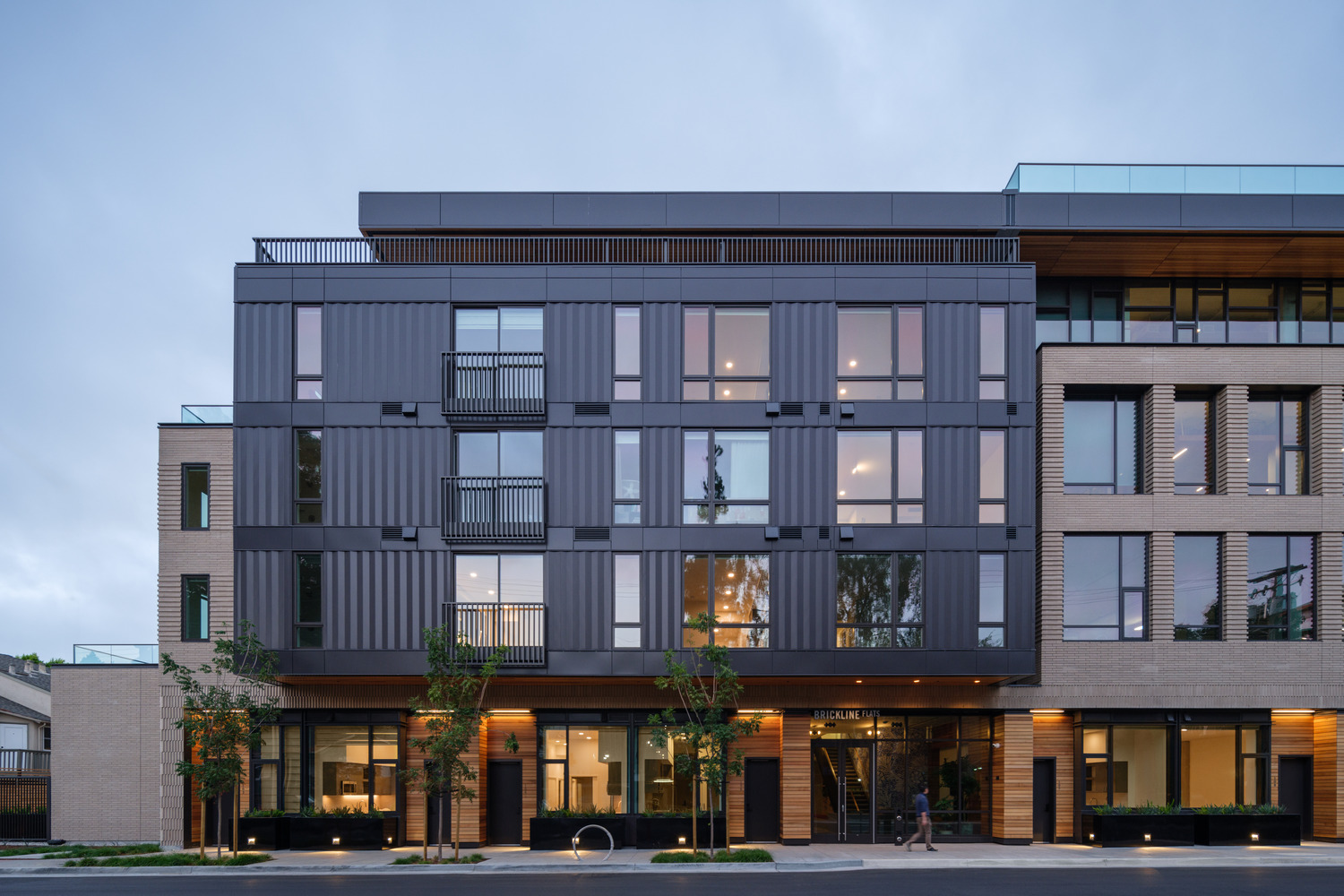
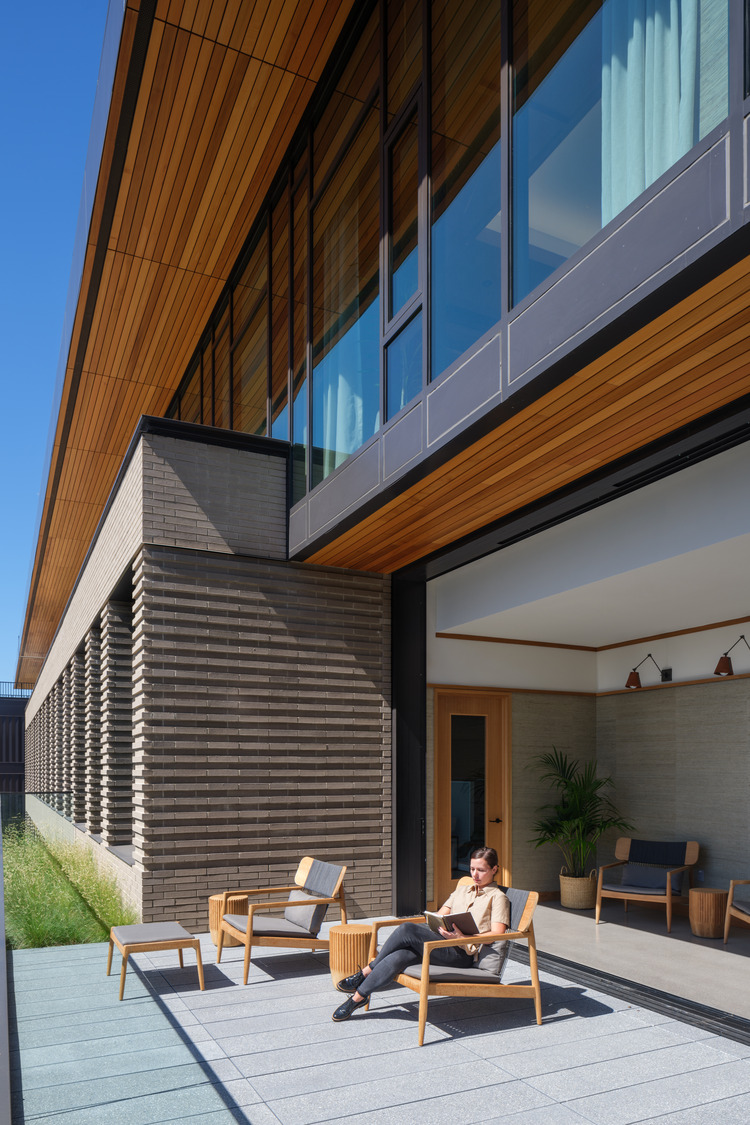
Just steps from San Mateo, California’s regional transit hub, WRNS Studio’s Brickline delivers a gold-standard solution for transit-oriented urban infill—literally. Achieving LEED Gold certification, the mixed-use development pairs post-tensioned concrete office spaces with light-frame wood residential units in a distinctive side-by-side configuration. Wood plays a central role, not just structurally but in the project’s expression—cedar soffits and cladding and white oak interiors bring a domestic warmth to the retail and commercial spaces. Along with reducing carbon, the hybrid approach supports a design that is context-sensitive, cost-efficient, and deeply rooted in place, drawing on the brick, terracotta, and fine-grained storefronts that have long defined San Mateo’s architectural heritage.
Bucks T-4 Housing
Modular Mass Timber for Workforce Housing
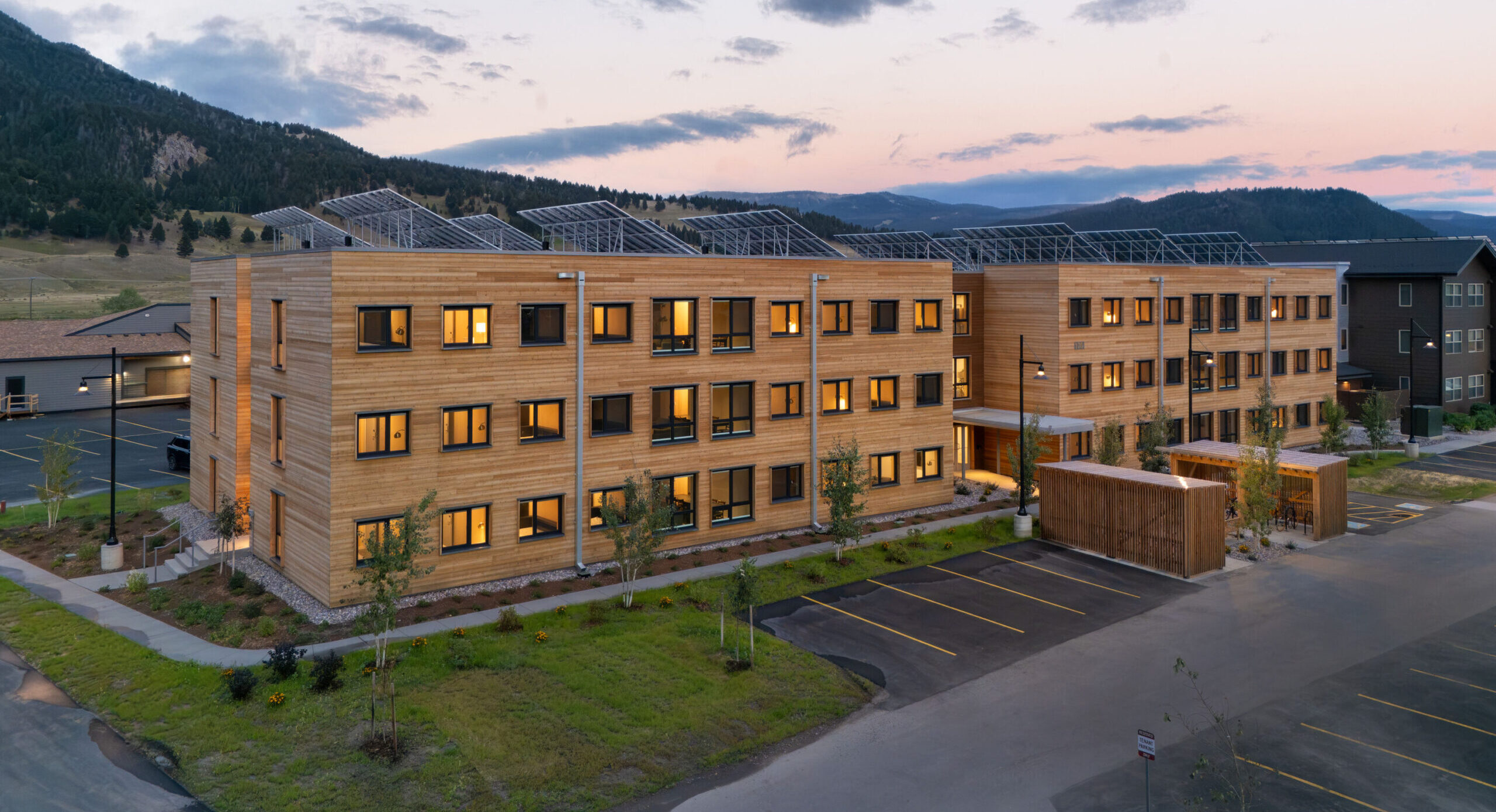
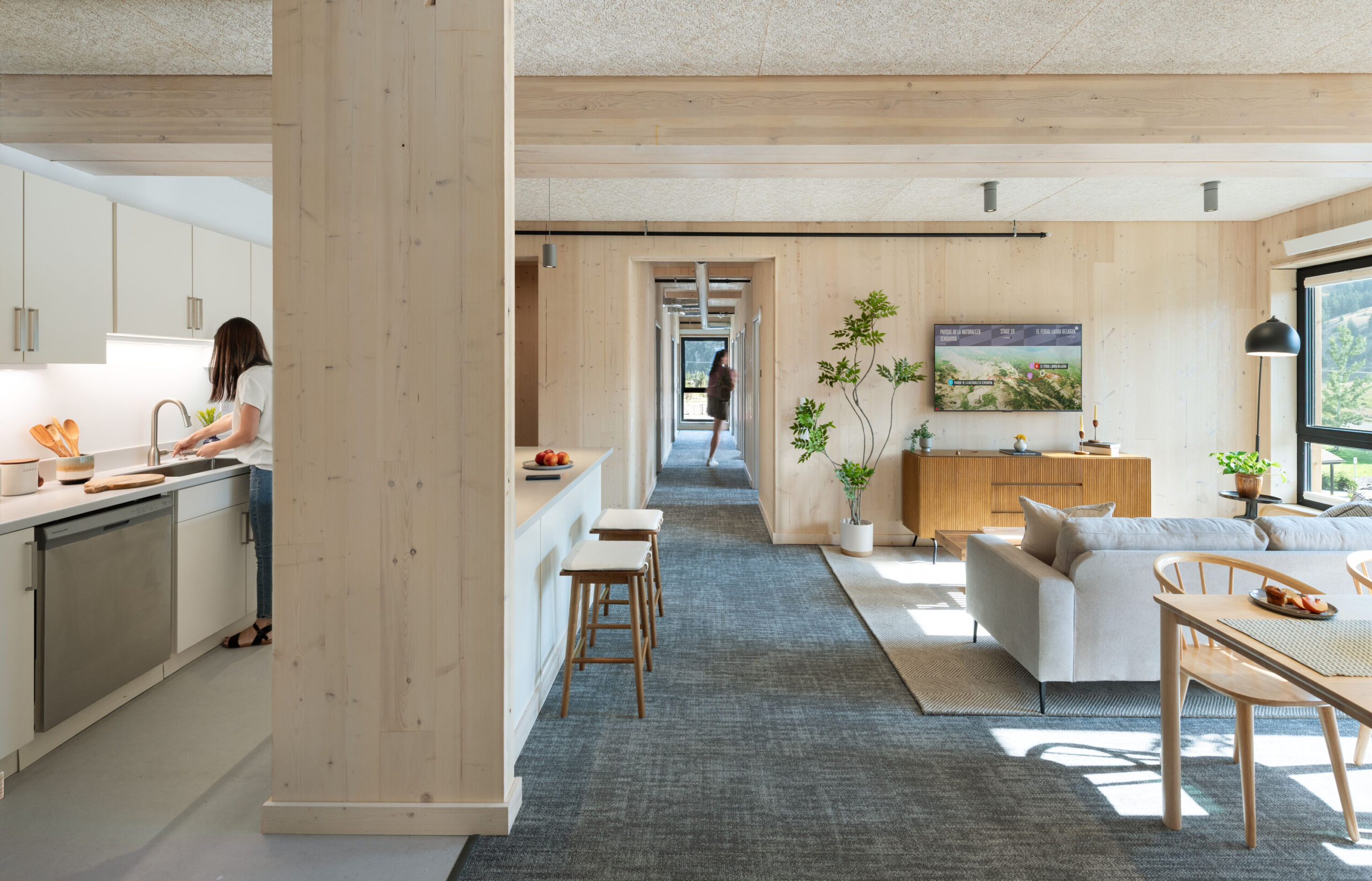
In Big Sky, Montana, Bucks T-4 Housing marks a milestone for modular construction in North America. Delivered by Integrated Design Cubed in collaboration with Peter Rose + Partners and German modular specialists NKBAK, the 120-module project is among the first large-scale modular mass timber buildings in the U.S. Built from precision-fabricated CLT units, the three-story workforce housing complex pairs speed, cost certainty, and reduced labor demands with a level of craft rarely associated with modular construction. By integrating design, fabrication, and assembly—and using digital coordination to eliminate inefficiencies—the project shows how mass timber modular systems can deliver dignified, durable housing at scale.
42XX Marina del Ray
Reimagining the Modern Office with Mass Timber
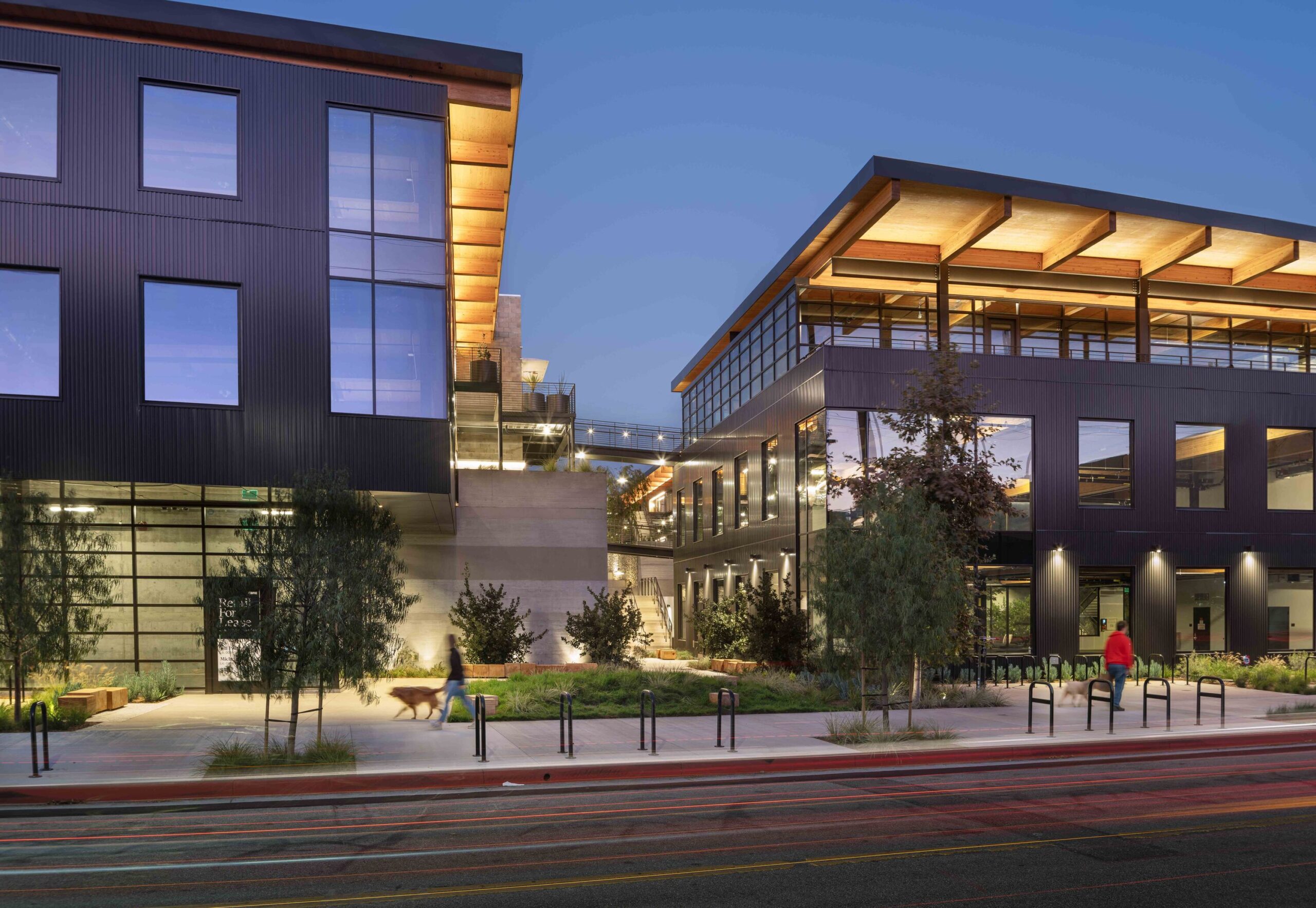
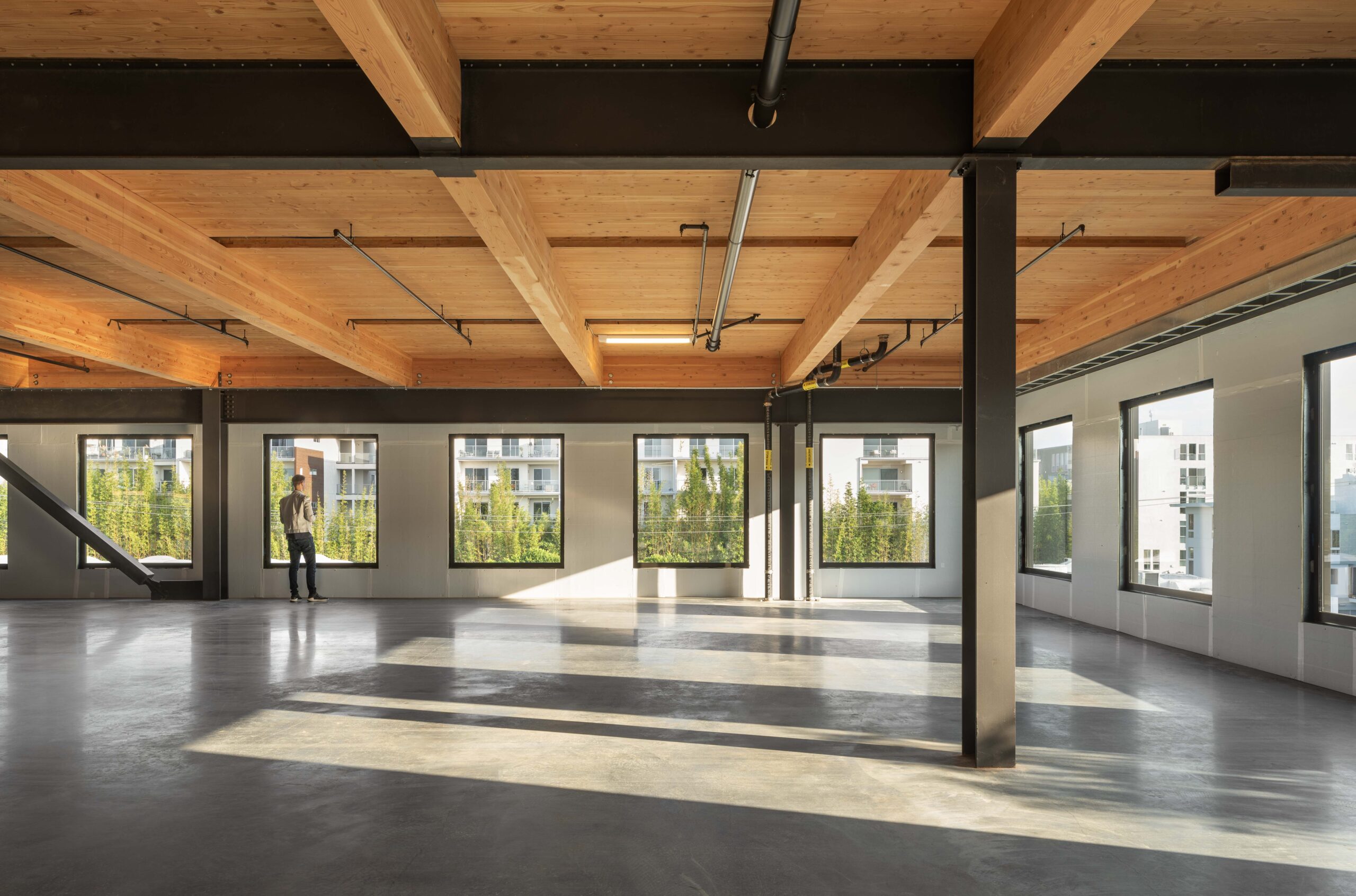
Designed by RIOS, 42XX Marina del Rey reframes the contemporary workplace as an open, social, and materially expressive environment. The 150,000-square-foot mixed-use office complex uses a hybrid mass timber system—combining CLT slabs and Douglas fir glulam with steel—to create flexible, indoor-outdoor workspaces that prioritize daylight, fresh air, and human connection. By exposing structure and organizing circulation through courtyards, stairs, and paseos rather than enclosed corridors, the project turns mass timber into both an environmental strategy and a placemaking device—demonstrating how wood can support adaptability, lower embodied carbon, and a more inviting workday.
Aera Homes
Rethink Housing with Factory-Built Prefab CLT
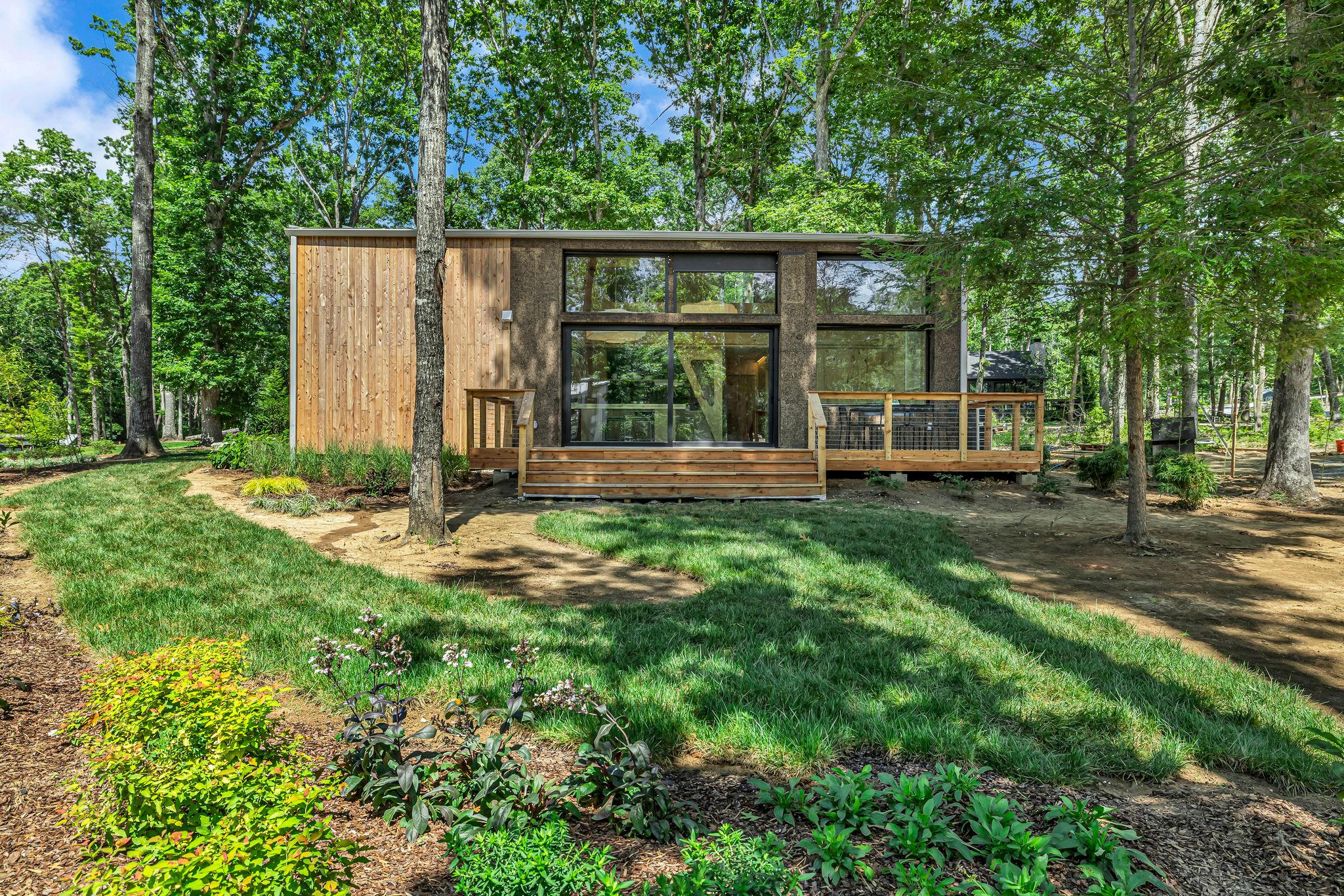
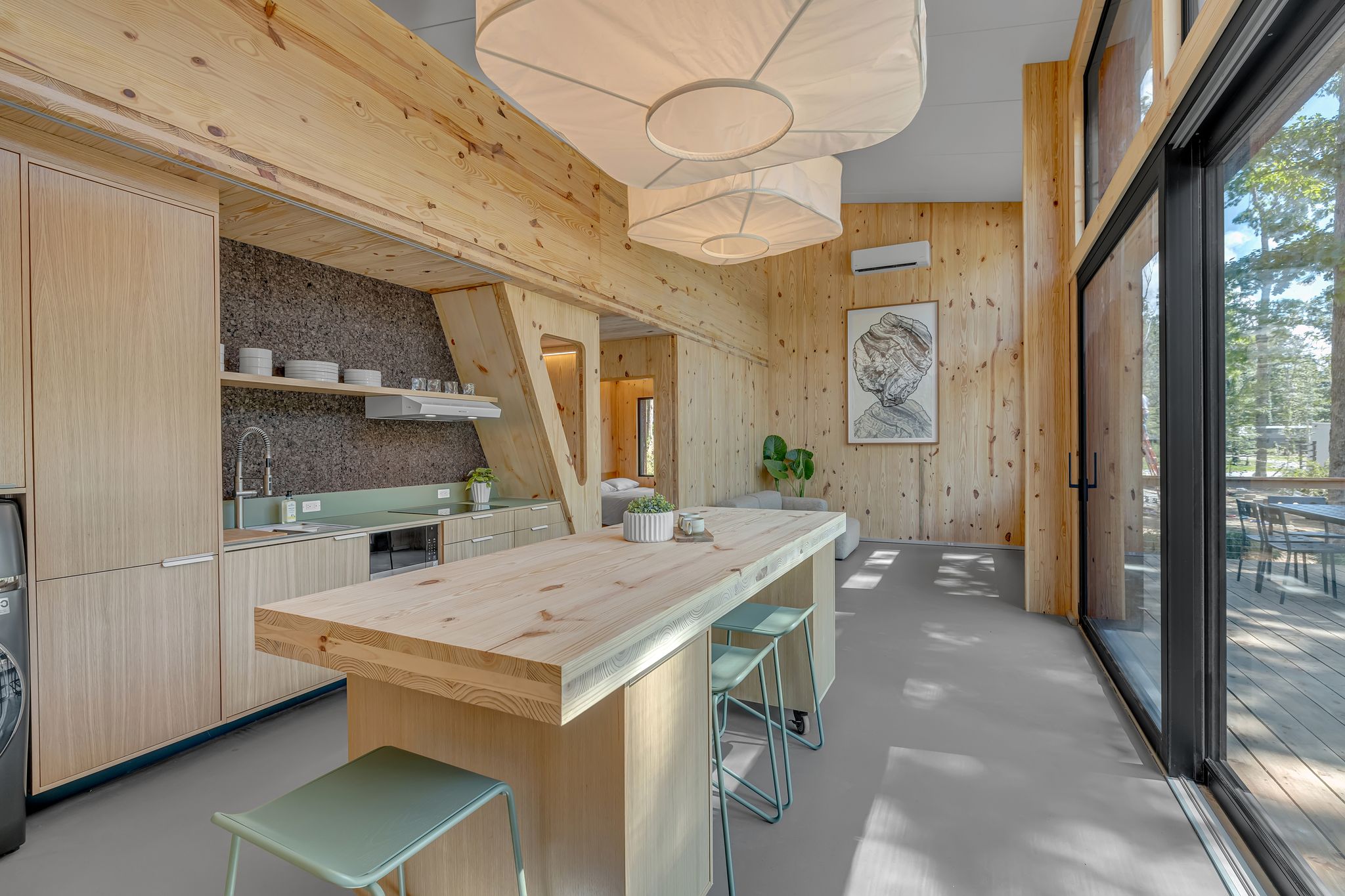
Developed by Aera Systems, the Waters Edge home explores how mass timber could reshape the economics and performance of production home building. The compact, 900-square-foot prototype pairs factory-built mechanical pods with CLT panels that form the home’s structure and envelope, streamlining construction while delivering a solid, high-performance shell. By replacing conventional stick framing with panelized mass timber, the system reduces complexity, shortens schedules, and targets embodied carbon neutrality. Designed for repeatability rather than customization, the project positions CLT not as a bespoke material, but as a scalable solution for delivering durable, energy-efficient homes at volume.
Tekαkαpimək Contact Station
A Sanctuary Rooted in Forest, Culture, and Wood
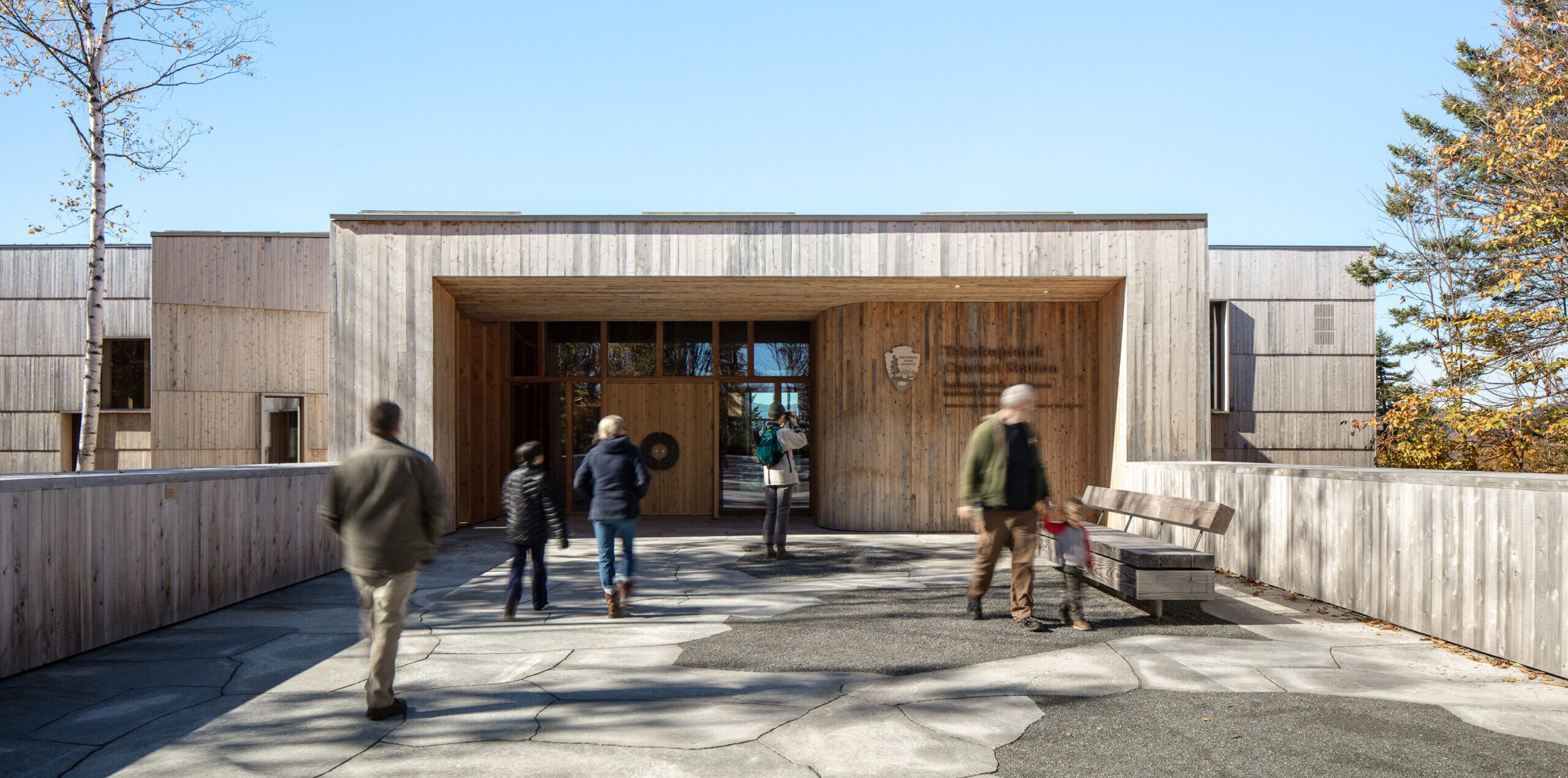
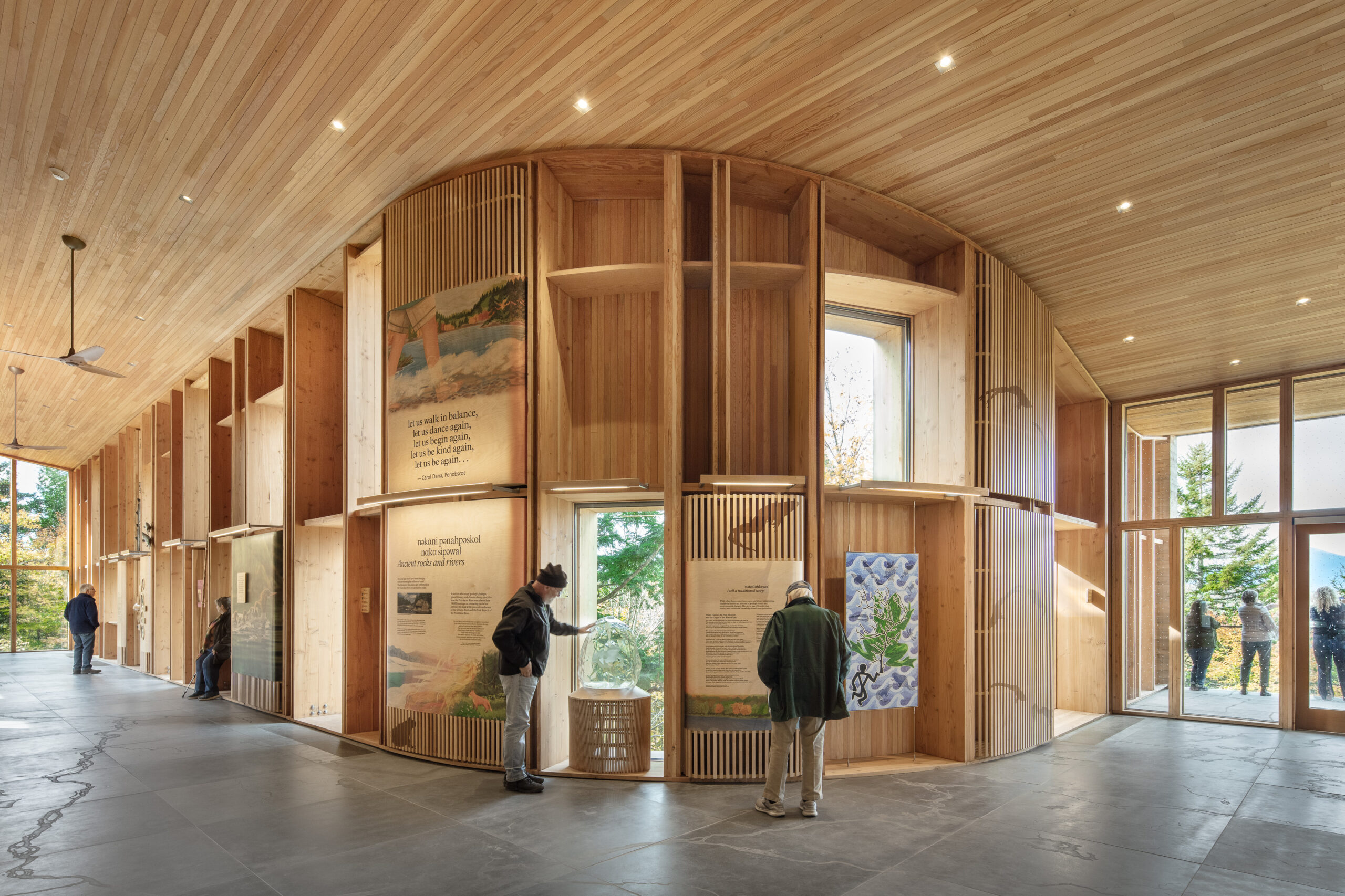
Perched on a ridgeline in Maine’s Katahdin Woods and Waters National Monument, the Tekαkαpimək Contact Station demonstrates how mass timber can shape place, meaning, and experience. Designed by Saunders Architecture with Alisberg Parker Architects as architect of record, the nearly all-wood structure was developed in close collaboration with the Wabanaki Advisory Board. CLT floor slabs, custom glulam columns and beams, and locally sourced cedar and fir create a building that feels suspended within the forest while anchored directly to bedrock. Operating largely off-grid through passive strategies and solar power, the contact station goes beyond orientation and wayfinding—serving as a cultural gathering place that embeds Indigenous stories, stewardship, and Maine’s timber legacy directly into its architecture.