Civic Community
Wood-Clad Fossil Park and Museum Is a Portal Between Past and Present
Edelman Fossil Park & Museum
Edelman Fossil Park & Museum
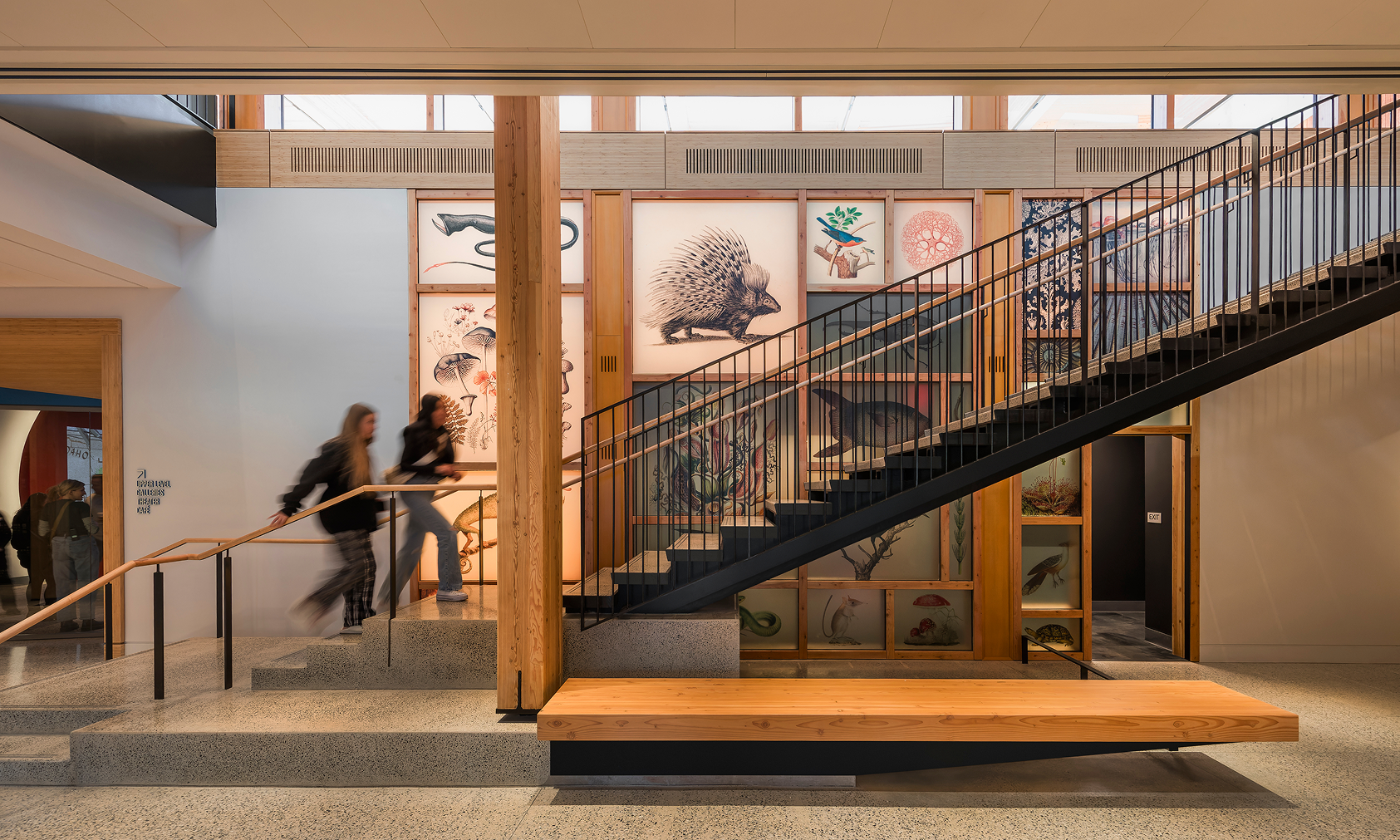
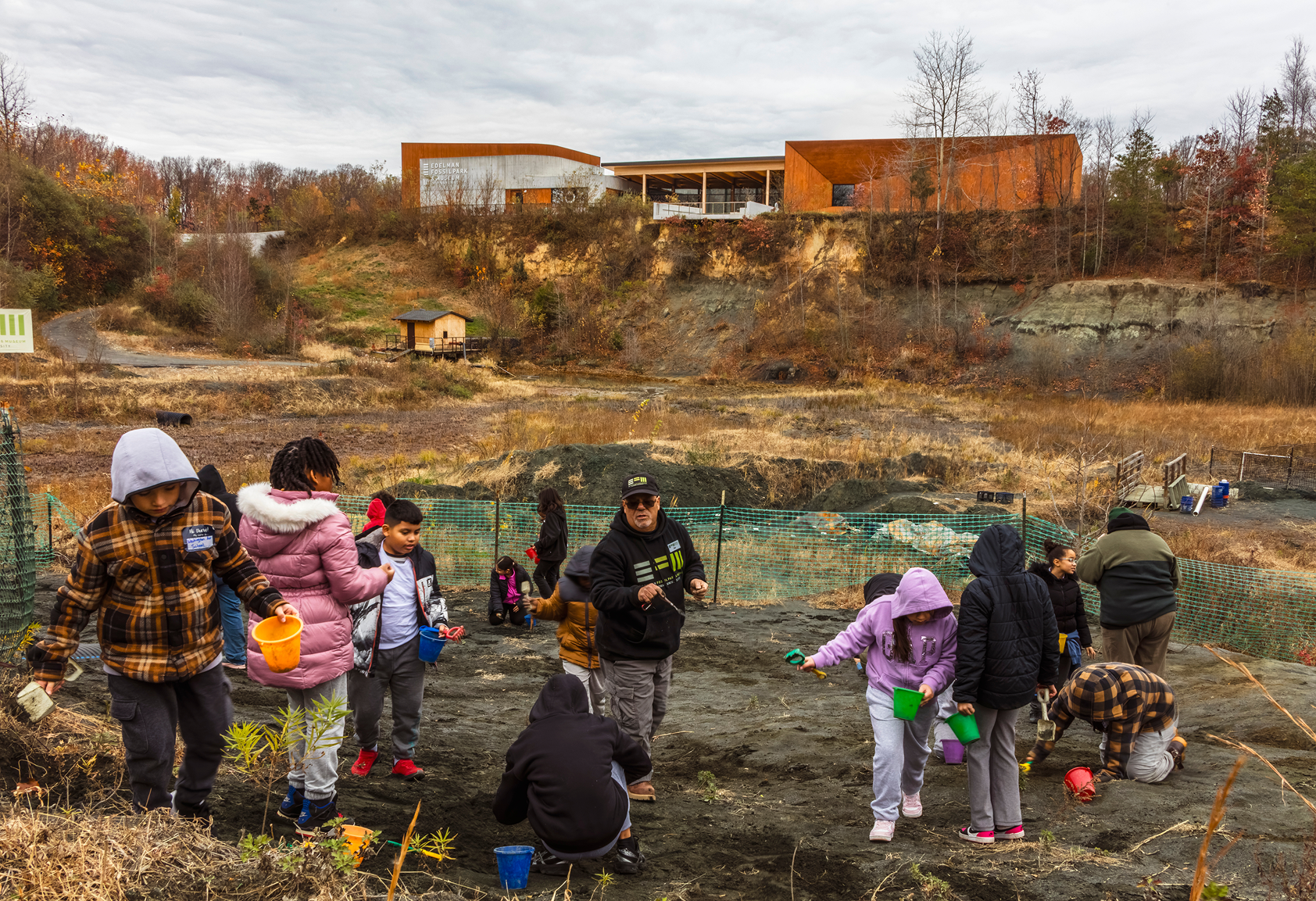
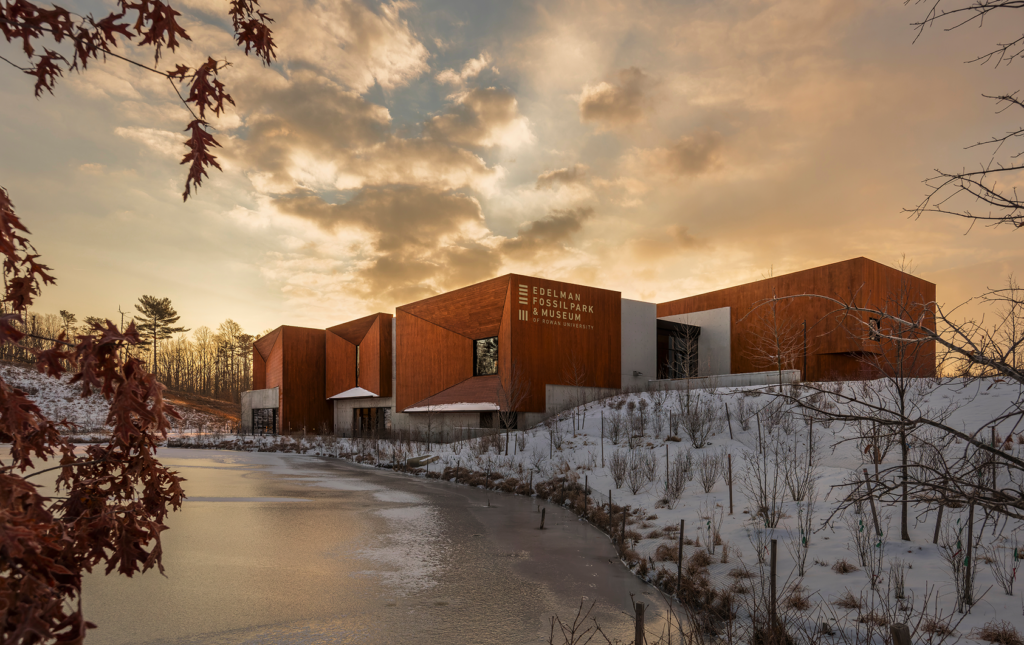
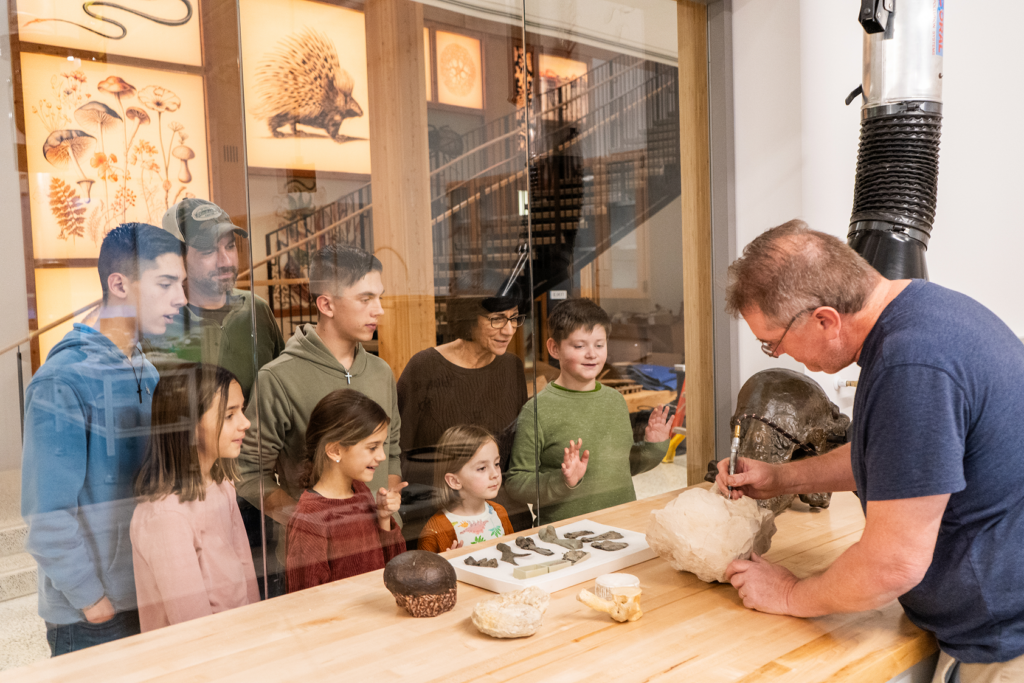
Imagine a hotspot for dinosaur archaeology and you might picture remote sites in the Gobi Desert or Patagonia. But one of the world’s most critical fossil sites happens to be in the New Jersey suburbs, where the new Edelman Fossil Park & Museum offers a unique hands-on look at the far distant past.
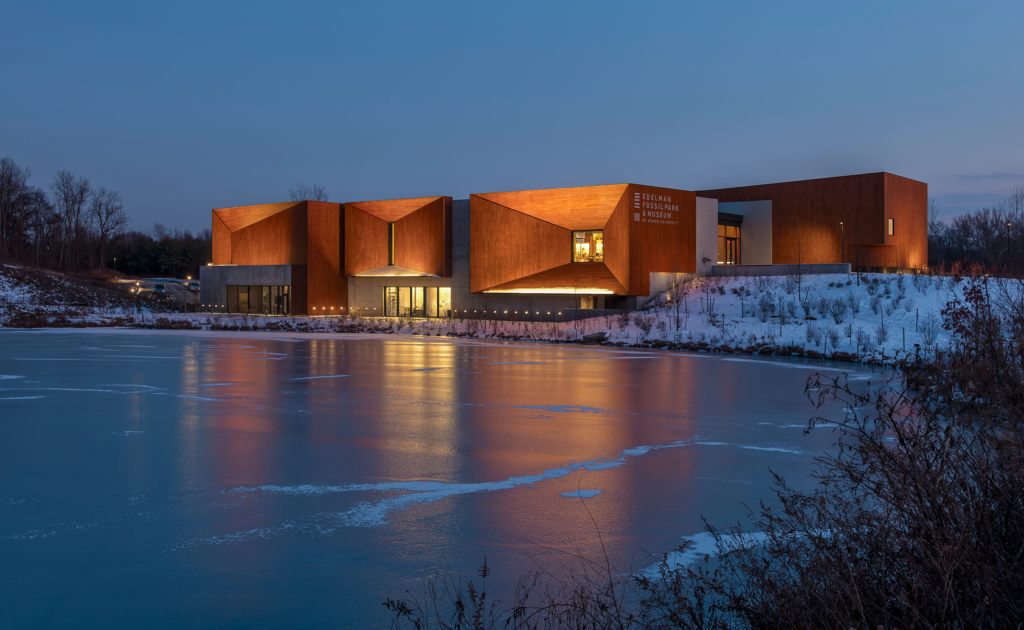
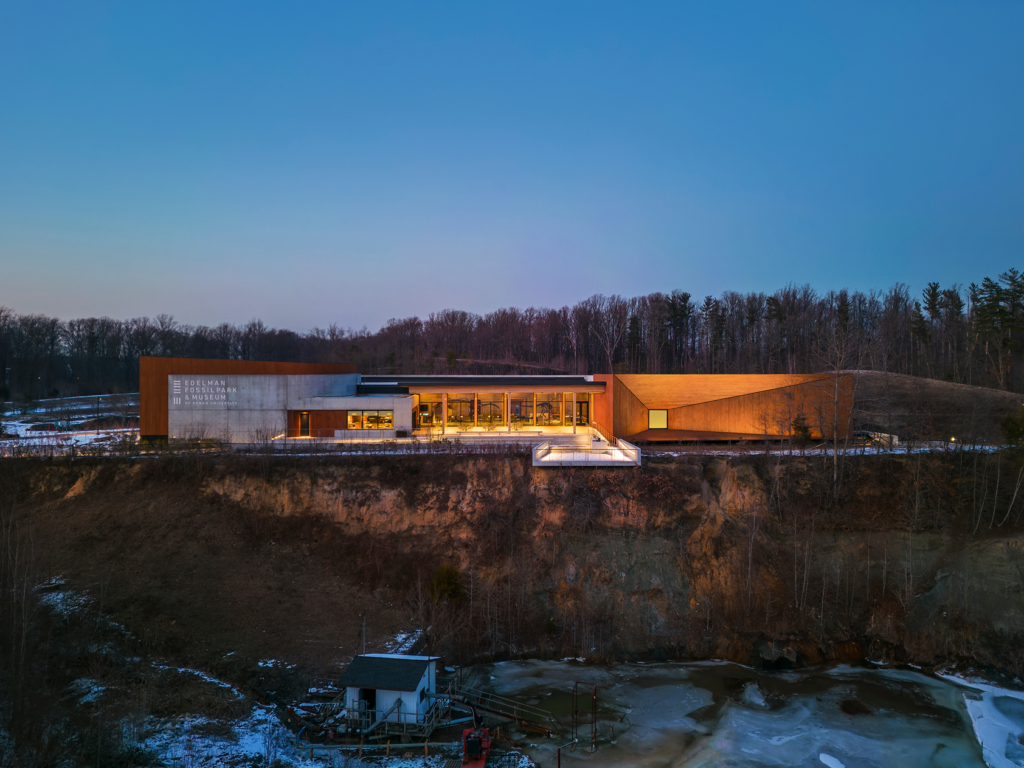
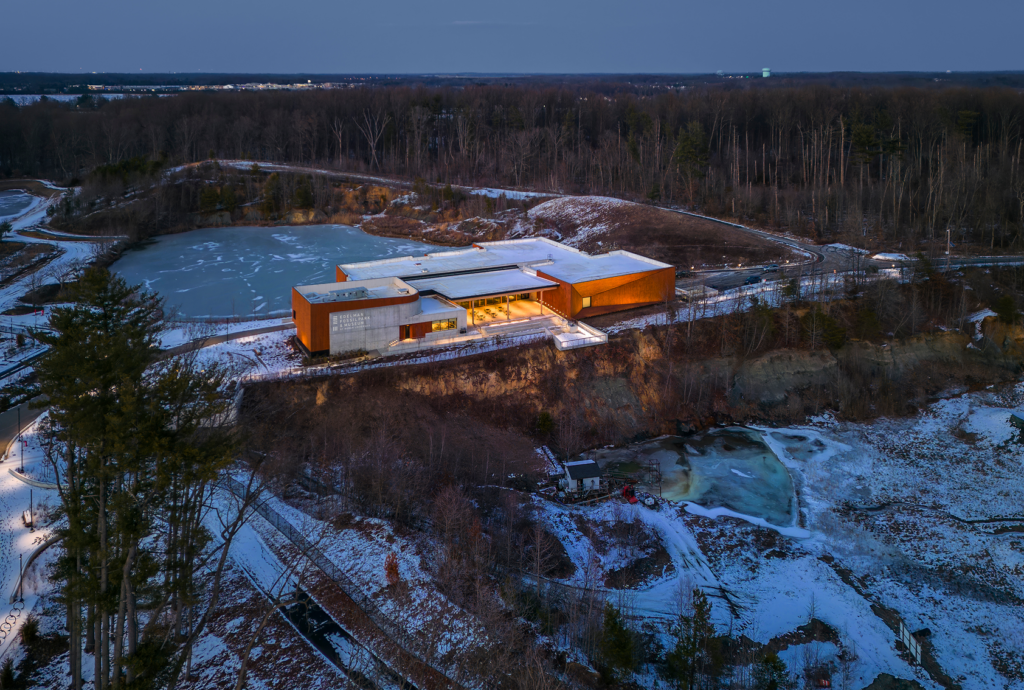
When an asteroid hit the Earth 66 million years ago, it triggered the fifth mass extinction, wiping out plant life and the dinosaurs alike. Many scientists, including Edelman founding executive director Kenneth Lacovara, spent their careers looking all over the world for their remains. Lacovara found them in an abandoned quarry in New Jersey that had exposed a fossil-laden layer of sediment coinciding with the mass extinction event. That site is now open to the public as part of the new two-story, 44,000-square-foot museum operated by Rowan University, the former Glassboro State College, whose campus is just 10 minutes away.
Edelman Fossil Park & Museum
Edelman Fossil Park & Museum
Edelman Fossil Park & Museum
Edelman Fossil Park & Museum
Dinosaur Stories, Human Experiences
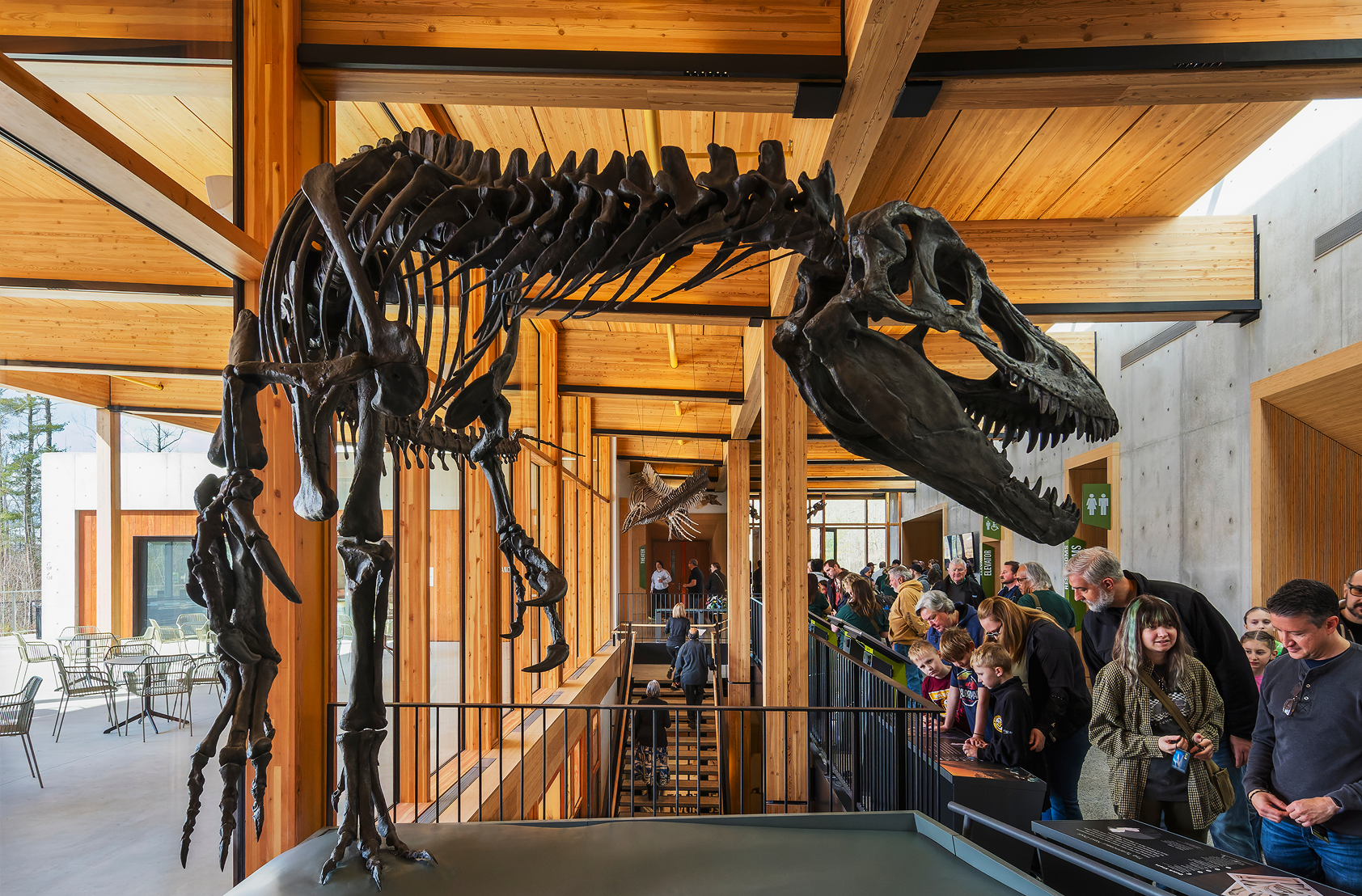
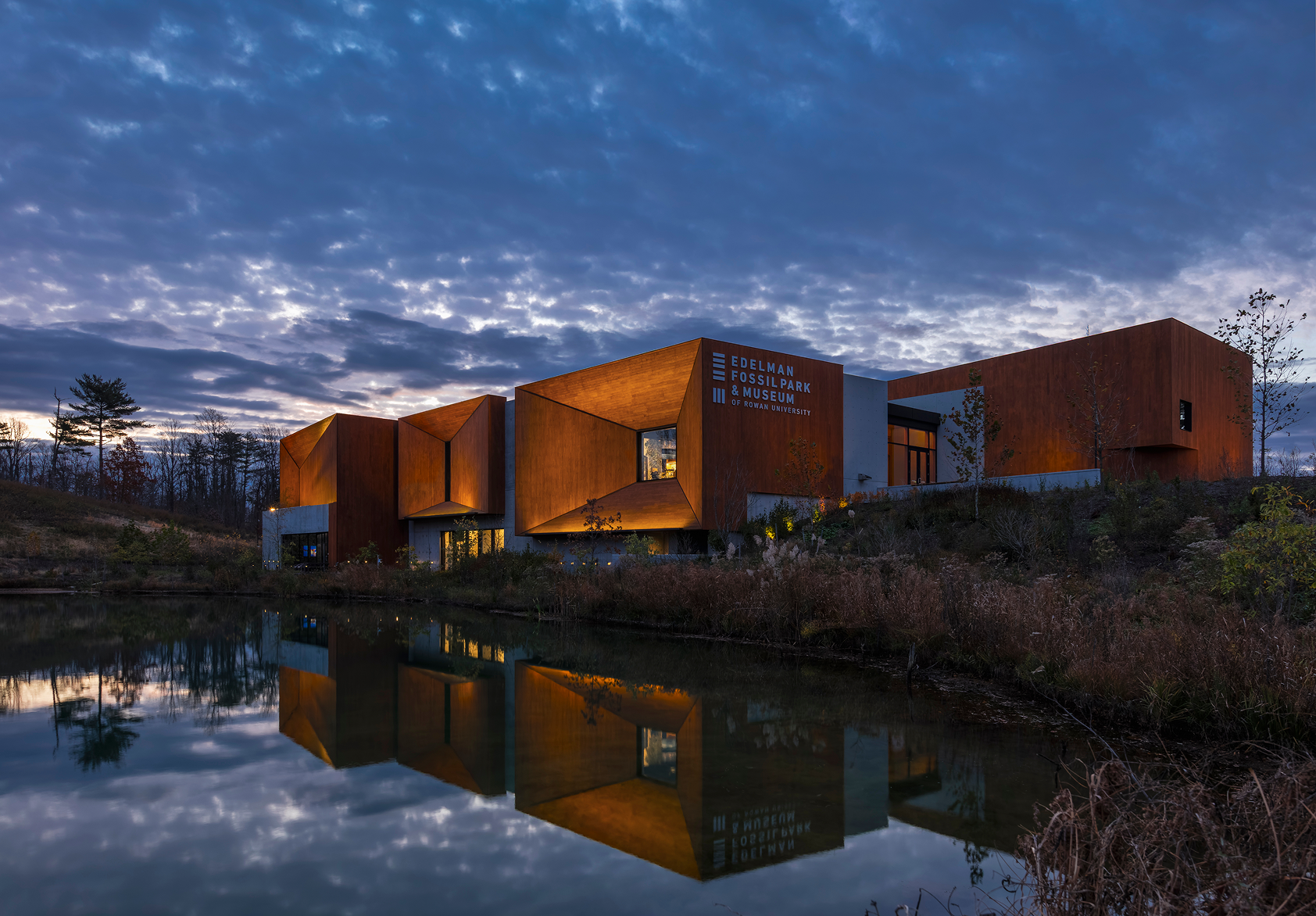
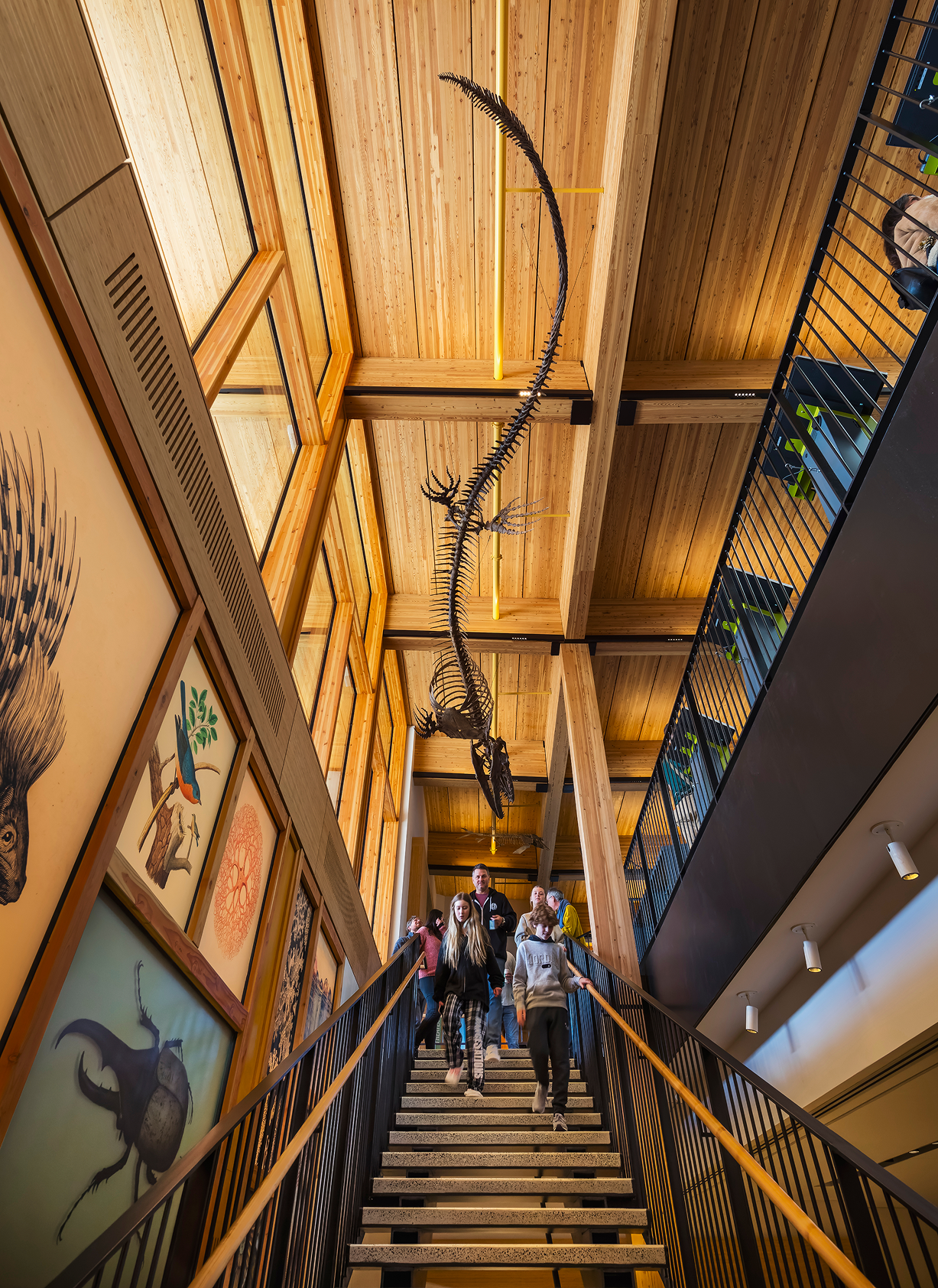
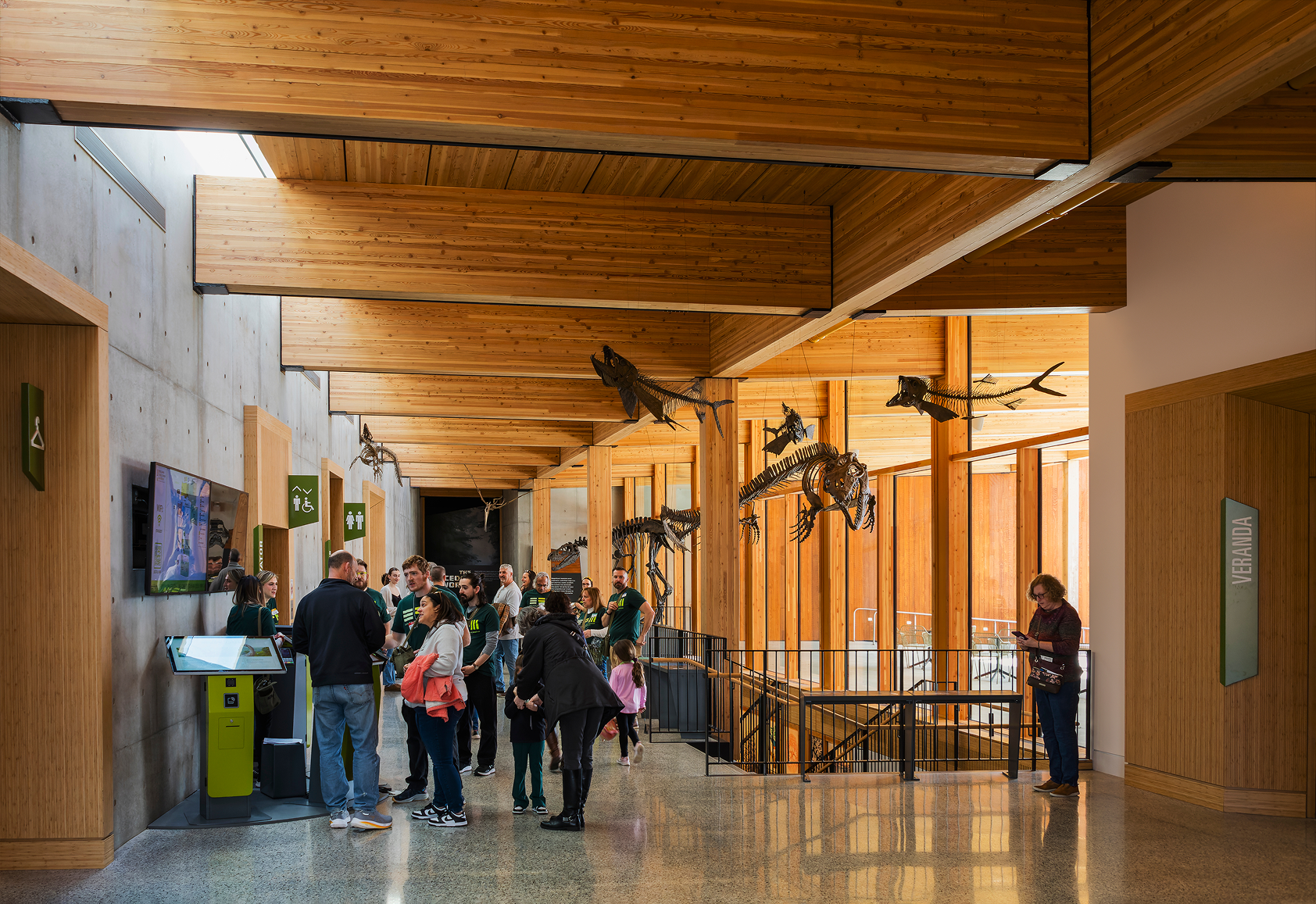
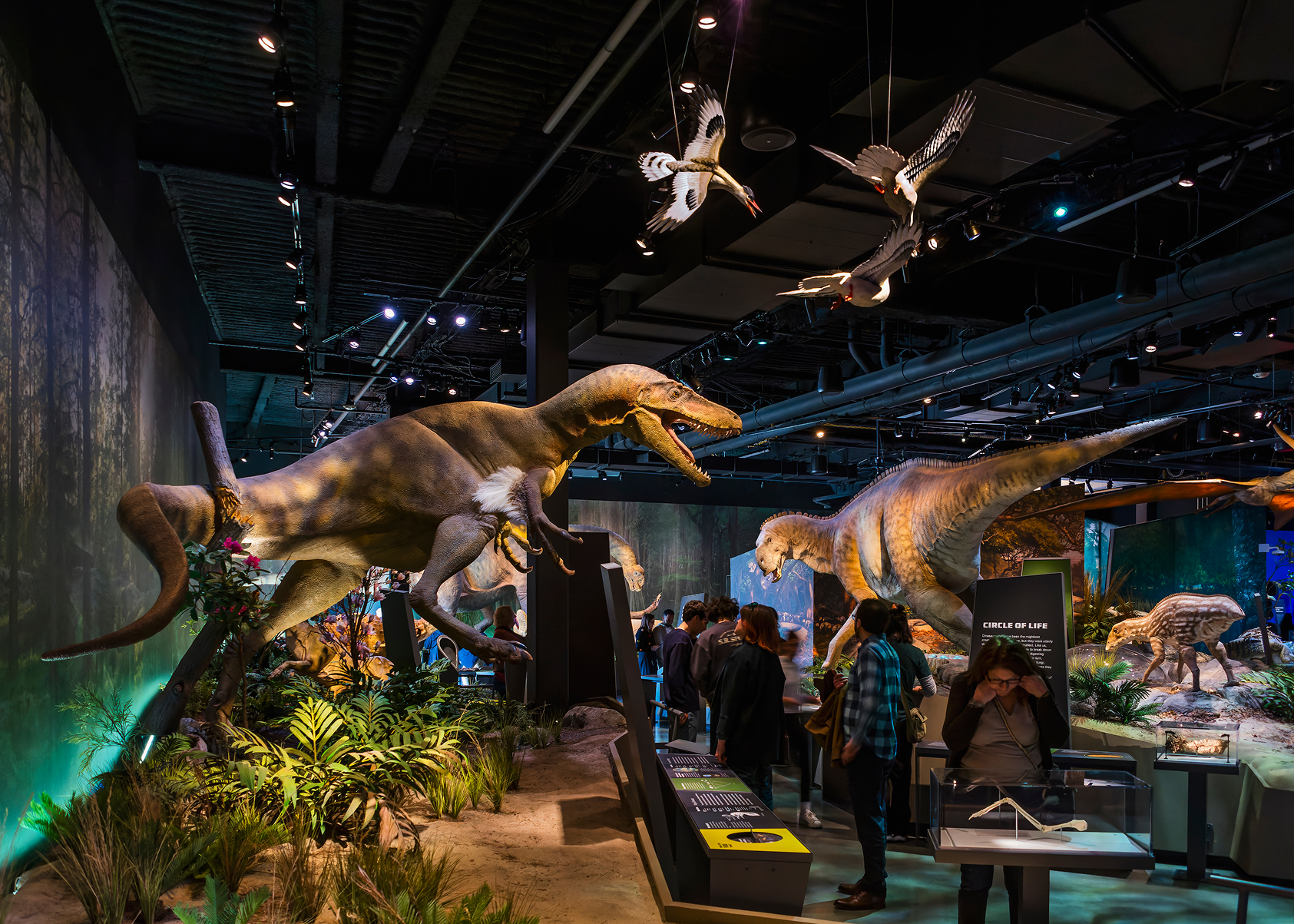
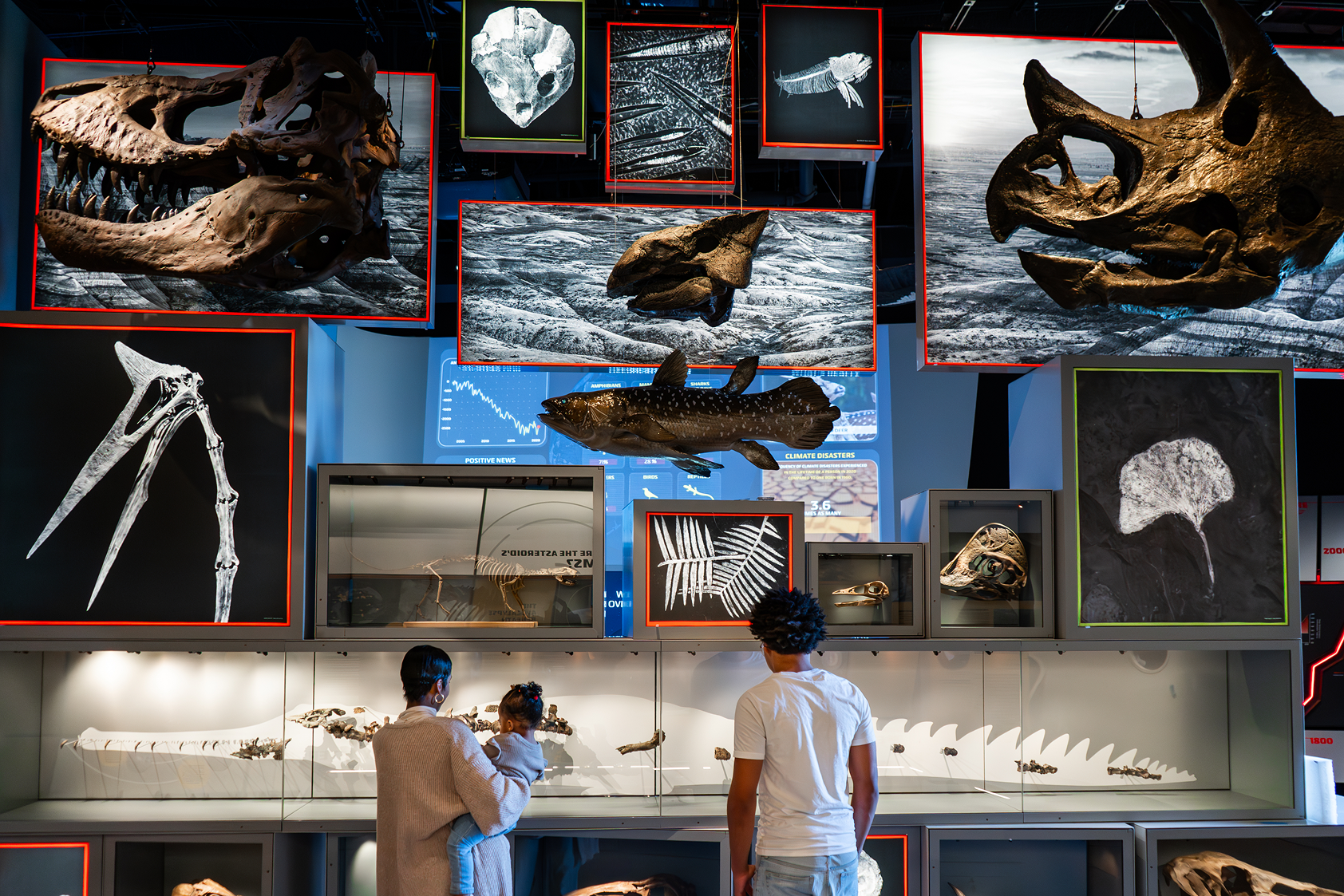
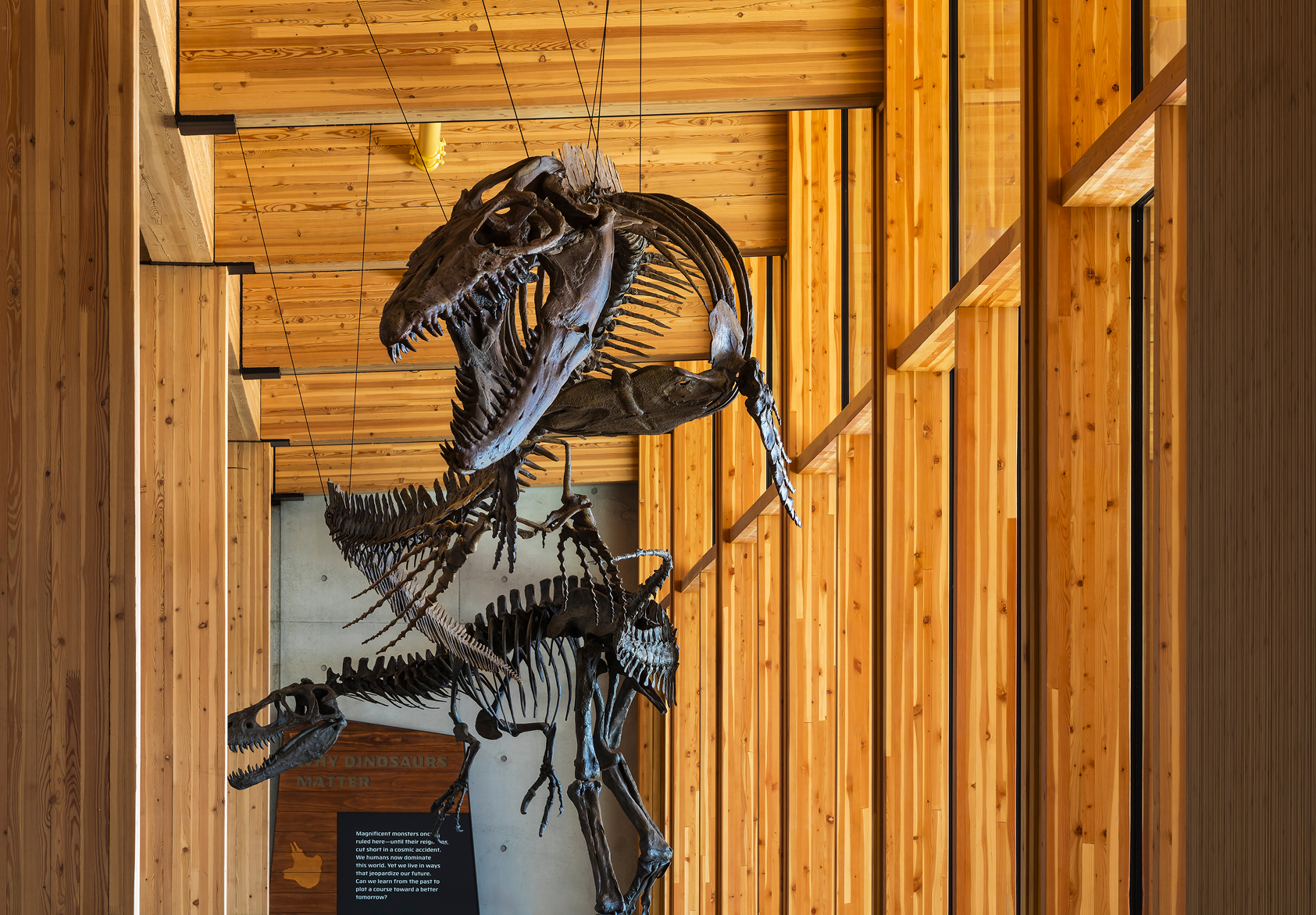
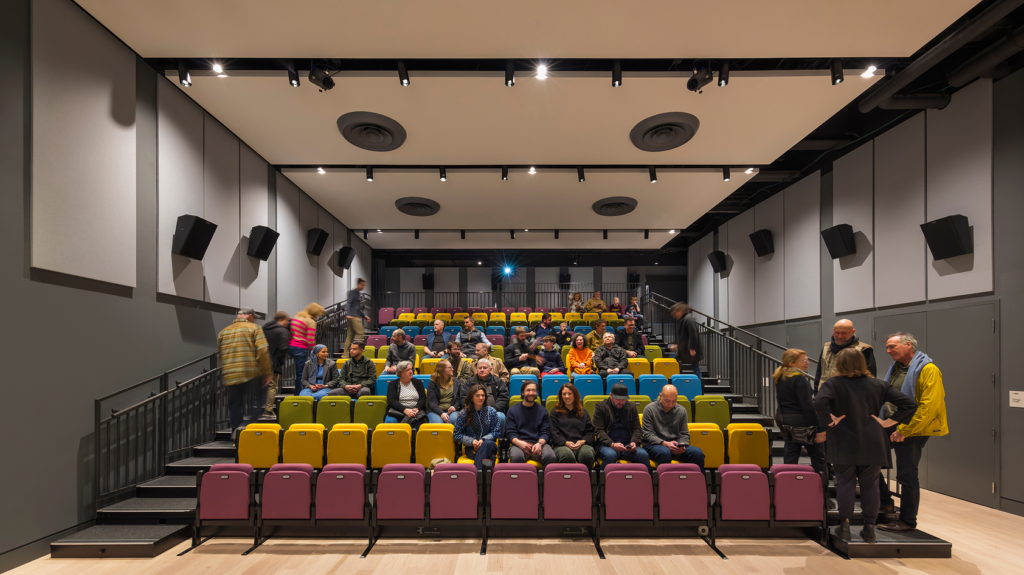
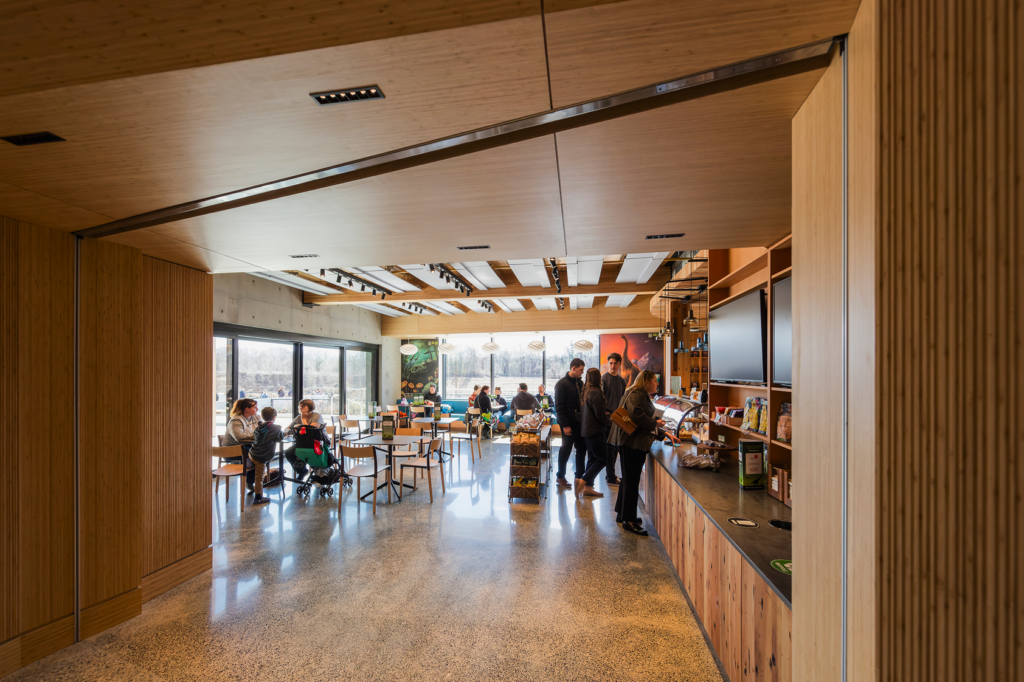
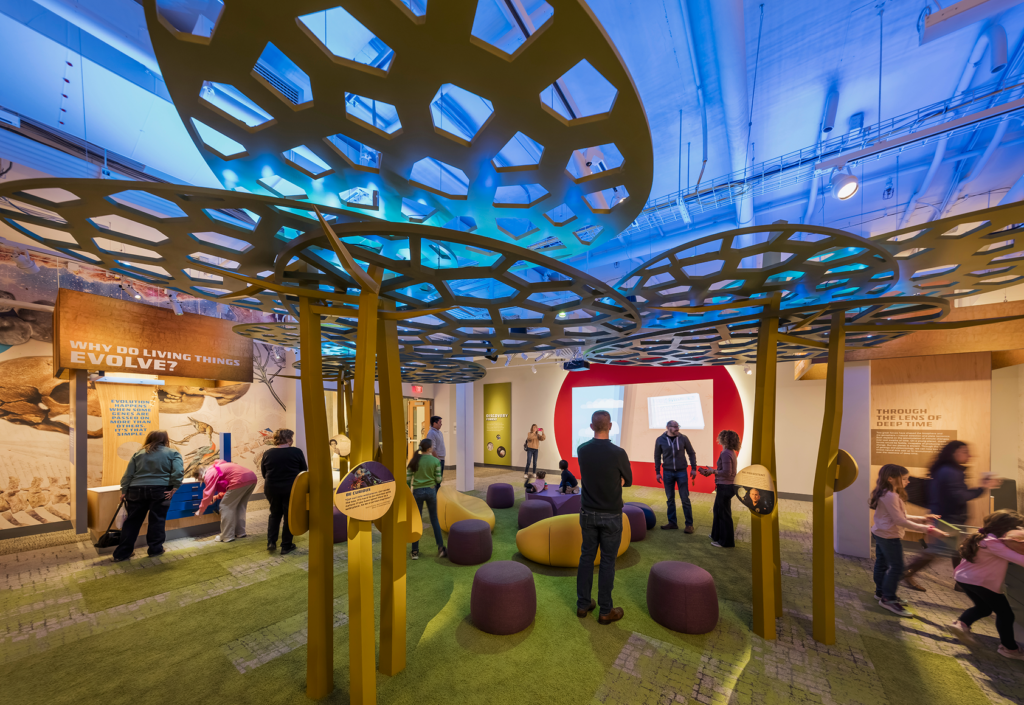
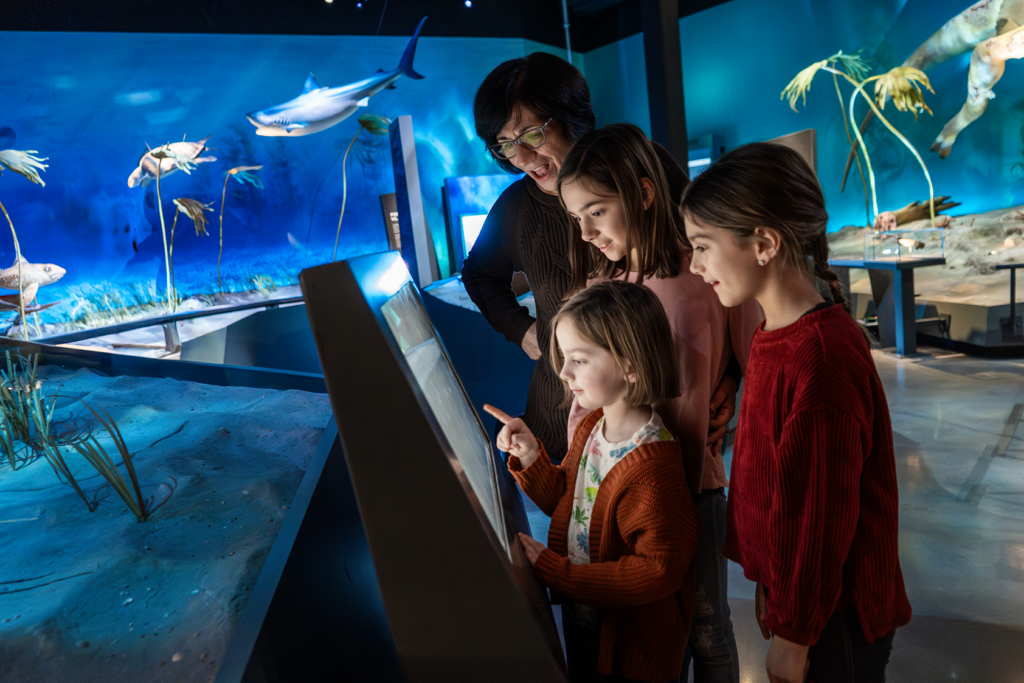
The museum is designed by New York City-based Ennead, whose design team developed a hybrid structure of concrete, steel, and mass timber on the quarry site. Concrete walls ground the building, with galleries expressed as individual wood-clad pavilions on the main level containing late-Cretaceous fossils, full-scale dinosaur models, hands-on and virtual-reality learning experiences, and live-animal attractions showing evolutionary connections to the modern natural world. Steel members, mostly painted black to diminish their visual impact, form the longer spans within the galleries. “Wood is utilized where it makes sense structurally, practically, and where it can be appreciated and visible,” explains Ennead Design Partner Thomas Wong.
“This client was very eager to use [mass timber],” Wong says. “The museum’s mission is to tell the story of the dinosaurs, but also to have people feel like they have agency” to understand and impact the world around them, Wong says.
Edelman Fossil Park & Museum
Edelman Fossil Park & Museum
A Window Between Eras
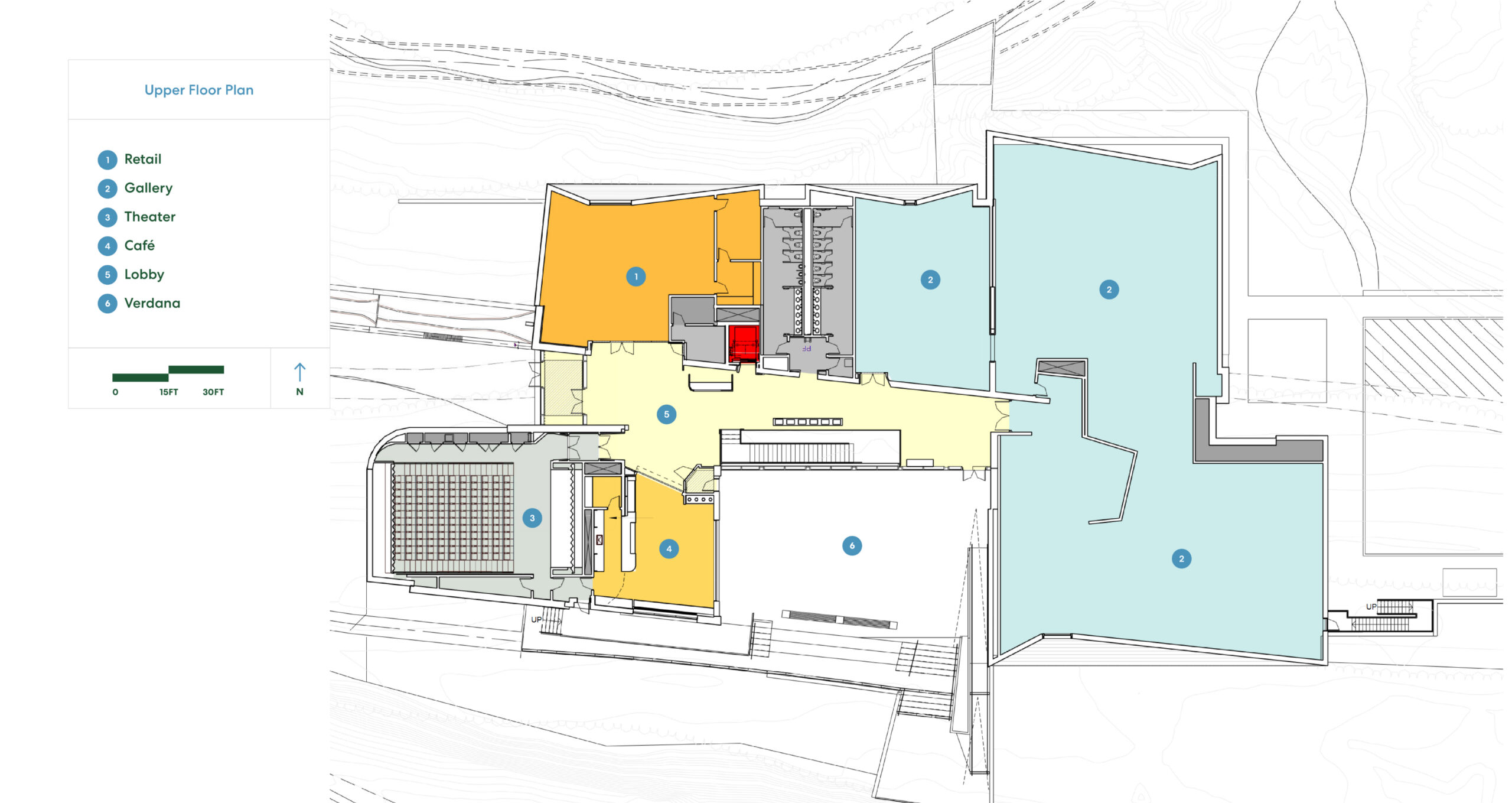
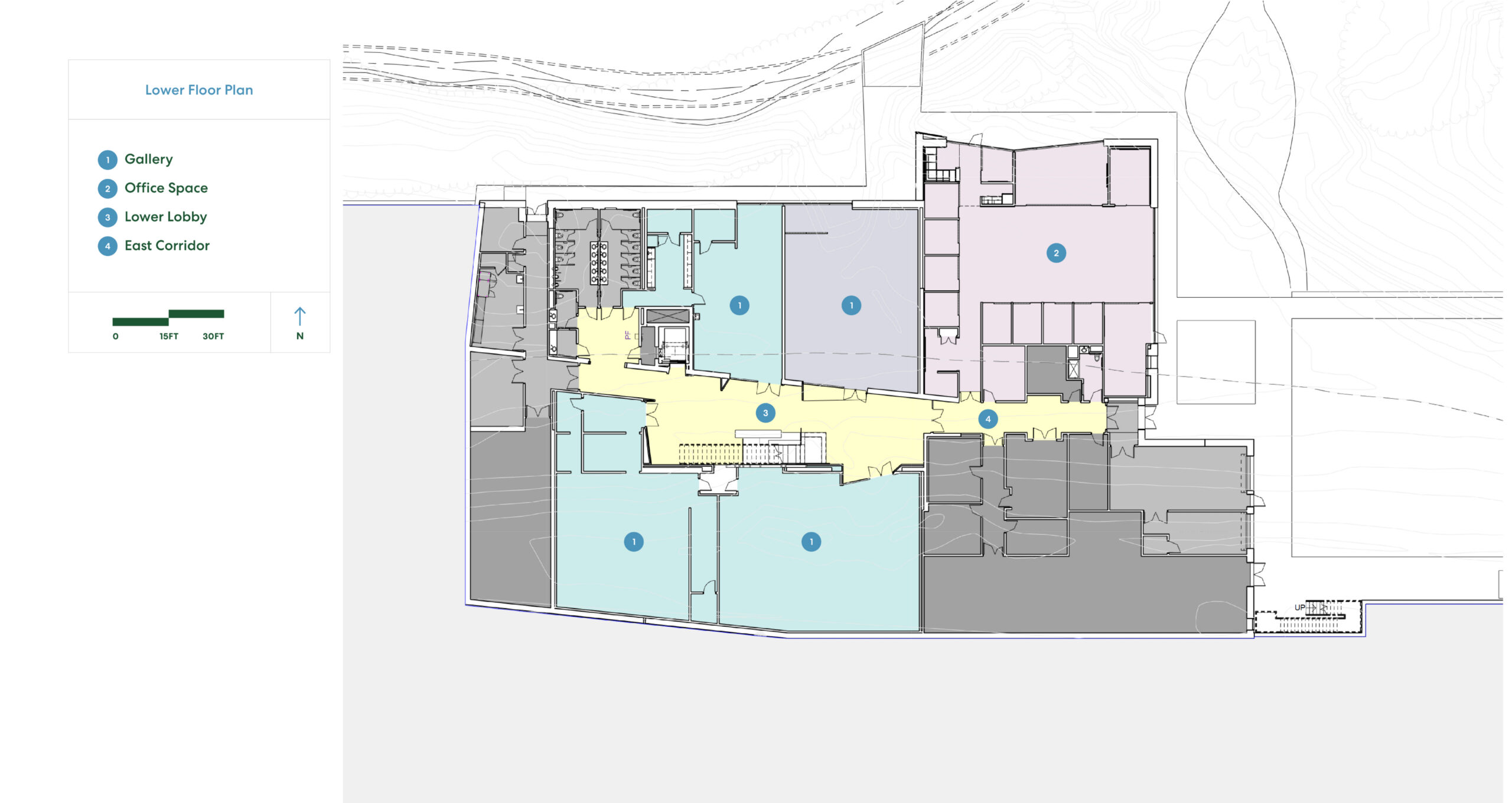
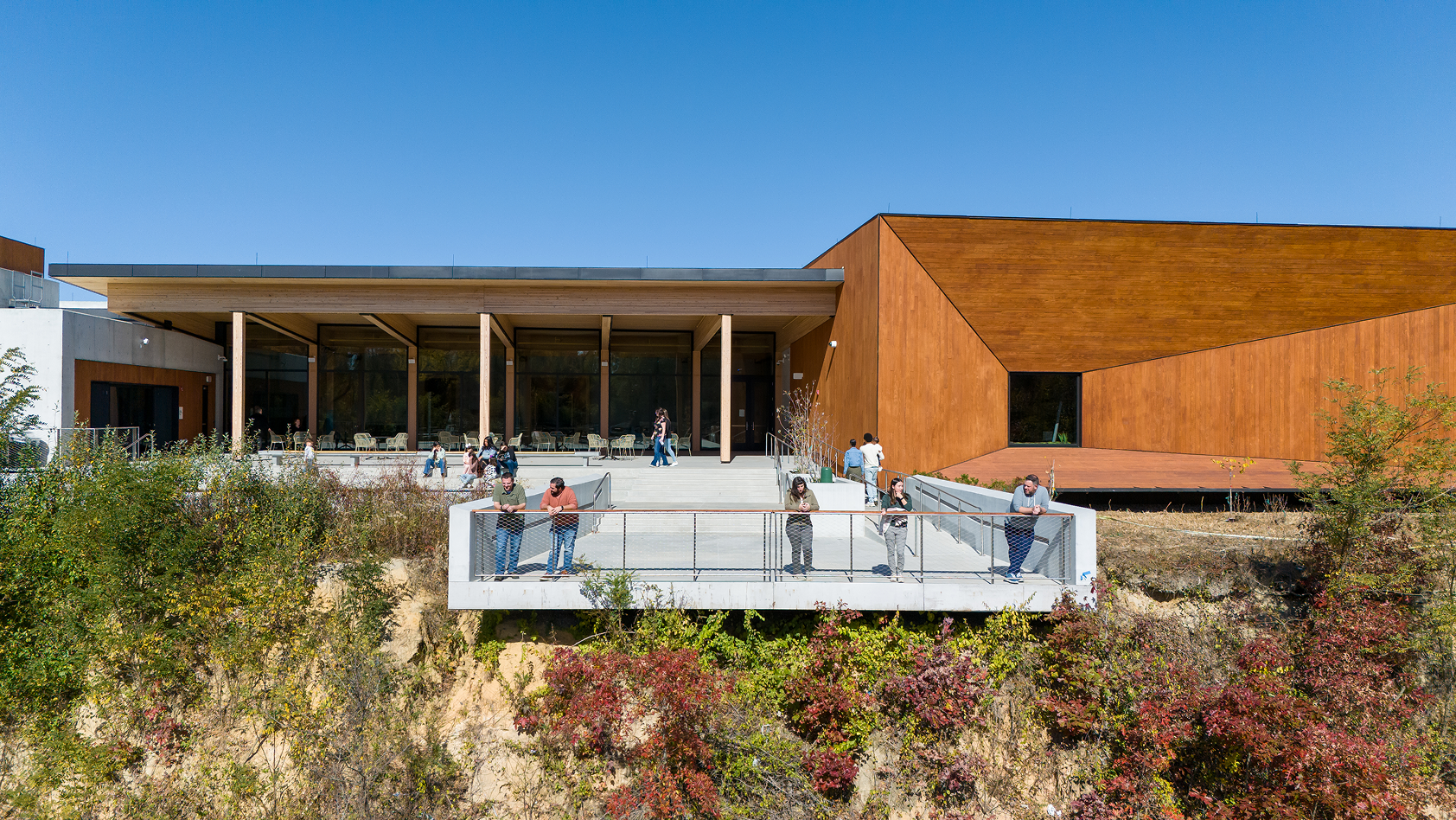
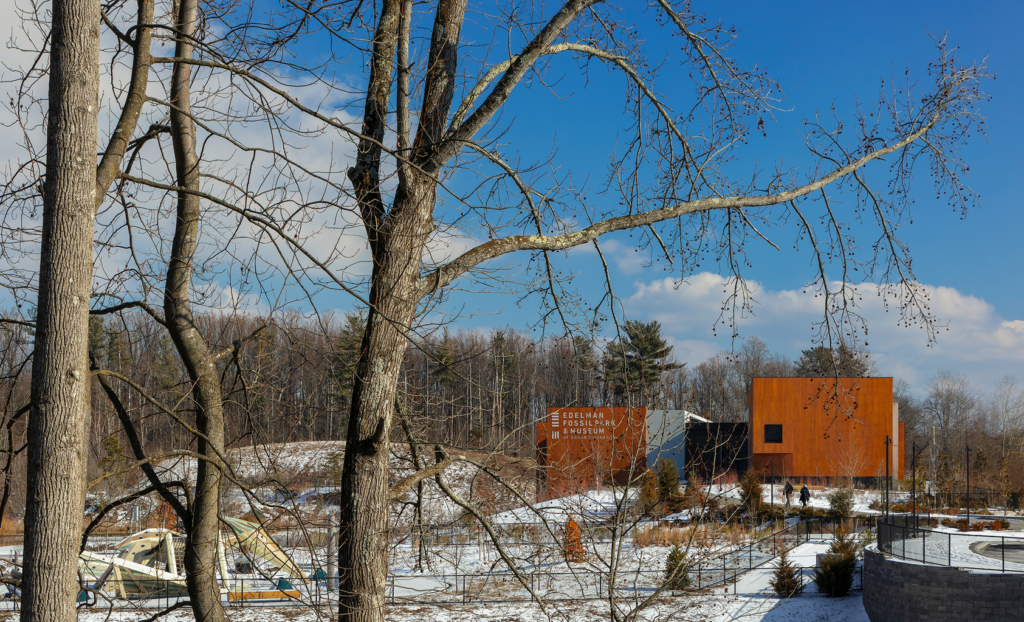
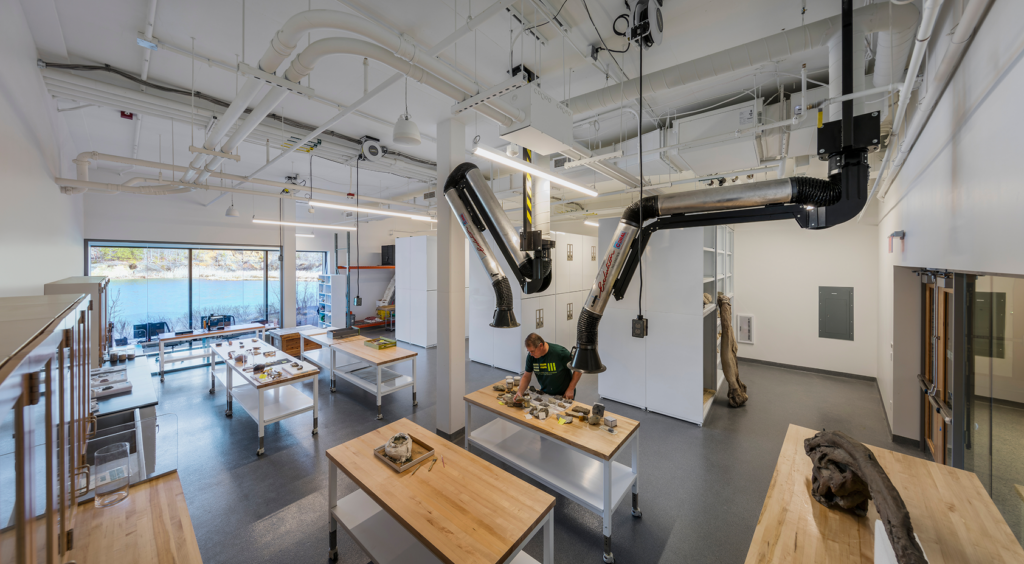
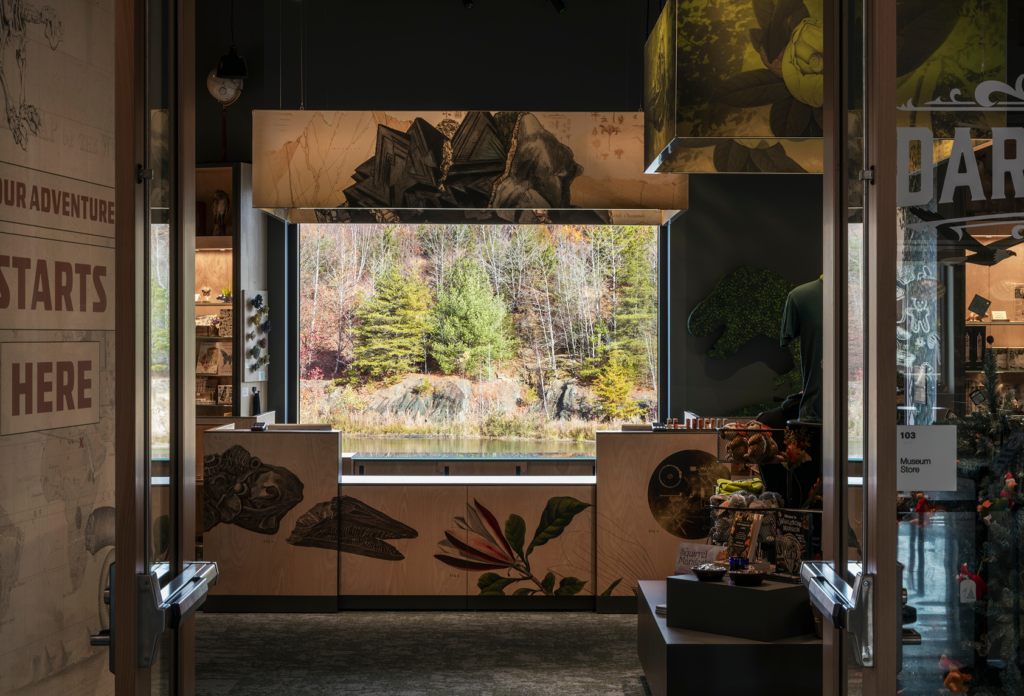
The building is perched on a ridge between the quarry—where fossils are still being extracted, both by professionals and museum visitors—and a scenic pond. The entrance is tucked under a central wood porch on the upper level of the building, which also contains the primary galleries and public spaces. Descending one level brings visitors to the surface of the pond, where visitors find additional exhibit areas, a collection and research lab, a live animal lab, and administrative spaces.
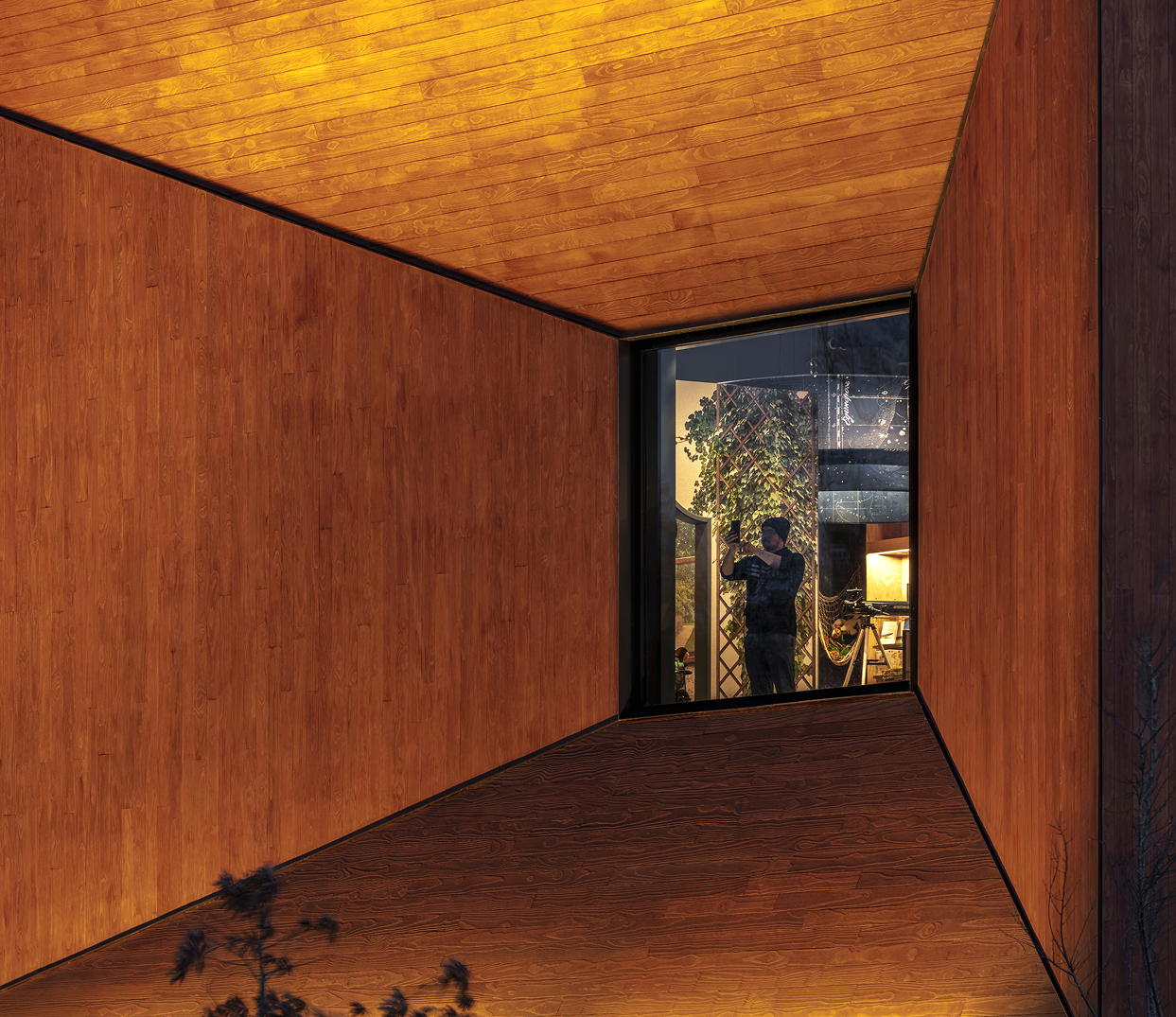
“The pavilion strategy creates what we call ‘lenses,’” Wong explains, with each volume tapering into one central window looking out over the site where the fossils were found. “We looked for a metaphor that could resonate with the architecture that tied it to this powerful, profound place, which is the opening in the earth that allows you to see back in time to 66 million years ago.”
Edelman Fossil Park & Museum
Edelman Fossil Park & Museum
Growth for the Entire Project Team
The structural wood throughout the building is glued-laminated Douglas fir, which is referred to as glulam for the beams and GLT for the decking panels that typically bear on concrete walls. Wong notes that the construction budget of $25 million was modest for the scope of work in the region. And while Rowan University’s status as a state entity required the project be awarded to the lowest bidder, the architects were pleasantly surprised by the precision craftsmanship on the mass timber, which, unusually, was installed by the concrete subcontractor in what was that firm’s first project with the material. “The sub[contractor] was adventurous and cared a lot,” Wong says.
While Ennead has designed mass timber buildings before, it was also Wong’s first project designing with the material. “Working with wood was a real eye-opener in terms of the care you have to have coordinating everything,” he says. But he came to appreciate both the process and the end result: “It’s an art form to make it feel integrated and visibly pleasing,” he says, “and that it feels thought out.”
Edelman Fossil Park & Museum
Edelman Fossil Park & Museum
Edelman Fossil Park & Museum
Project Details
- Project Name:
- Edelman Fossil Park & Museum
- Location:
- Mantua, New Jersey
- Architect:
- Architect of Record:
- Experience Design:
- Landscape Architect:
- Engineering & Sustainability:
- Timber Products:
- Size:
- 44,000 GSF
- Photographers:
- Jeff Goldberg
- Aislinn Weidele
- Lauren Jeanette